

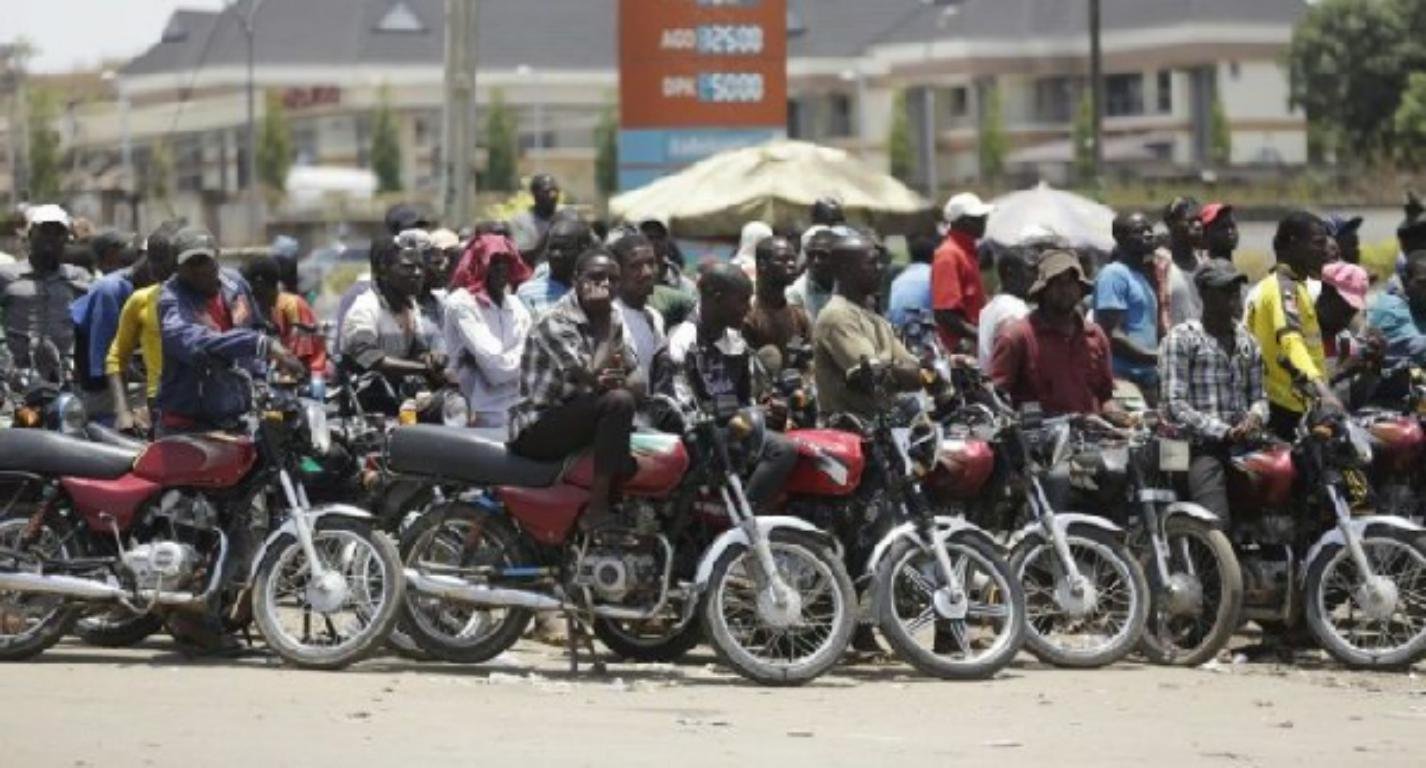
Parliament has given the green light to the Road Traffic Amendment Bill 2025, paving the way for the regulated legalisation of commercial motorcycle transport, popularly known as okada, in Ghana.
The approval, which concluded during plenary proceedings on Thursday, December 11, 2025, marks a significant step in fulfilling a key campaign promise by President John Dramani Mahama and the National Democratic Congress (NDC) to formalise the operations of okada riders, a sector that has long provided employment to thousands of youth despite being previously banned under the Road Traffic Regulations, 2012 (LI 2180).
The bill proposes amendments to the Road Traffic Act 2004 (Act 683) and LI 2180, repealing or modifying sections that prohibit the use of motorcycles and tricycles for commercial passenger services.
If operationalised, it will introduce a licensed framework to ensure safety, accountability, and compliance among operators.
Transport Minister Joseph Bukari Nikpe, who laid the bill in Parliament on December 10, 2025, hailed the development as a modernisation of Ghana’s road transport system.
“This amendment addresses the realities on our roads and creates jobs while enhancing safety through strict regulations,” he stated earlier during the bill’s introduction.
Under the new regime, okada riders will be required to meet stringent criteria, including a defined minimum age of 25 years, possessing a valid national ID, obtaining a commercial rider’s licence from the Driver and Vehicle Licensing Authority (DVLA), and passing proficiency tests encompassing oral, theory, and eye exams.
Riders must also undergo mandatory training, receive a unique licence plate, wear certified protective helmets with identification numbers, and provide helmets for passengers.
Additional measures include adherence to traffic laws and speed limits, and periodic vehicle inspections to ensure roadworthiness.
The government of Ghana has drawn lessons from regulatory models in countries like Rwanda to enforce discipline and monitoring.
Lawmakers from both sides of the aisle welcomed the approval, though some raised concerns about enforcement to curb potential road safety risks.
The bill now waits presidential assent by President John Dramani Mahama to become a law.