
‘Who takes another country’s medical records?’ – Mahama on rejected US health deal
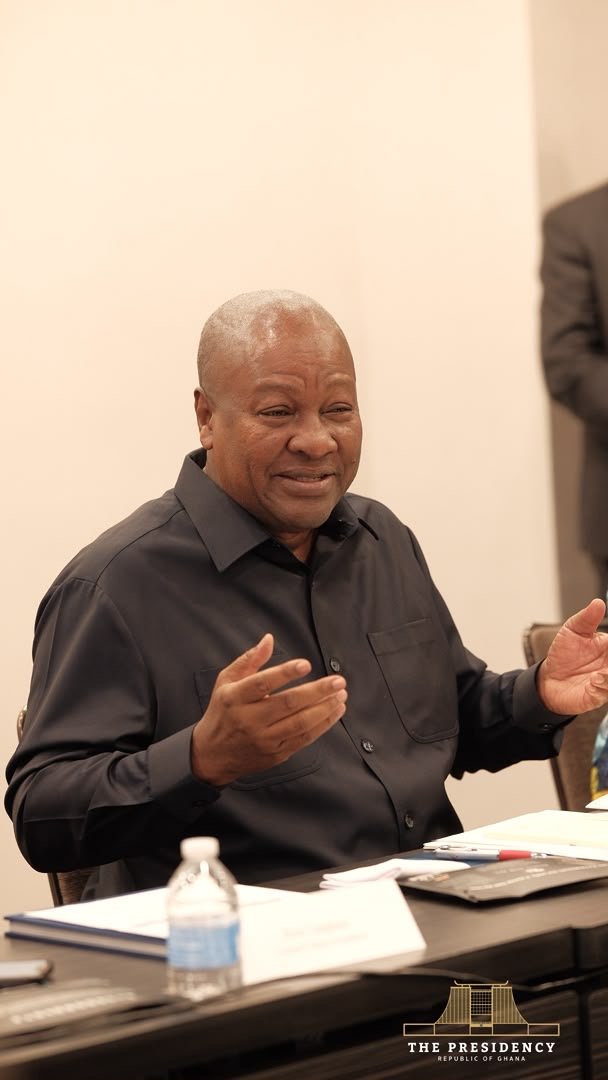
President John Dramani Mahama has defended Ghana’s decision to reject a proposed health compact from the United States, describing some of its conditions as “humiliating” and unacceptable.
The compact was proposed as a replacement for health funding previously provided through the United States Agency for International Development (USAID). However, Ghana rejected the agreement after the Ministry of Health reviewed its terms and presented an Information Paper to Cabinet.
Speaking at the Council on Foreign Relations in New York on Friday, September 25, 2026, President Mahama said several provisions in the proposed agreement raised concerns for the government.
According to him, the compact required Ghana to provide the United States with its pathogen profile and medical records.
“It states that we shall give the United States our pathogen profile. It also says we should give our medical records. I mean, who takes another country’s medical records?”
President Mahama also said the agreement required Ghana to provide counterpart funding, while medicines and medical products brought into the country under the programme would not be subject to inspection by the Food and Drugs Authority (FDA).
“It was humiliating,” he said.
The President said the concerns prompted Cabinet to reject the compact, describing the decision as one of the fastest rejections he had witnessed.
“It was the compact that was thrown out in record time in our Cabinet. I’ve never seen anything thrown out as fast as that.”
The proposed compact was intended to provide funding to African countries affected by cuts to US foreign aid, with Ghana among the countries negotiating a replacement arrangement for health support previously provided through USAID.
President Mahama said the rejection formed part of Ghana’s broader push for greater health-sector self-reliance following the withdrawal of US aid. He said the government had been compelled to make alternative budgetary provisions to address the resulting funding gap.