“Stop the double standard” – Ablakwa challenges Minority over BRICS stance
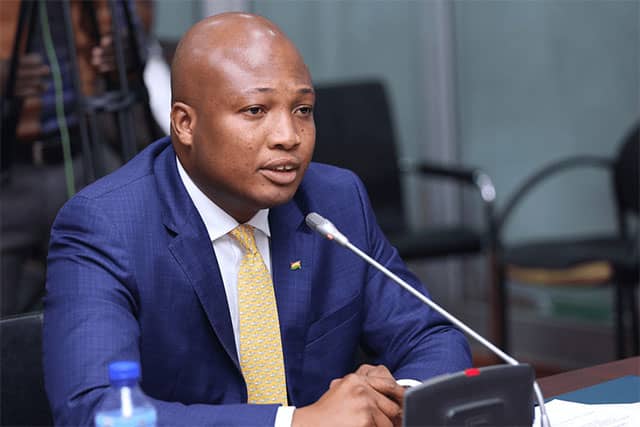
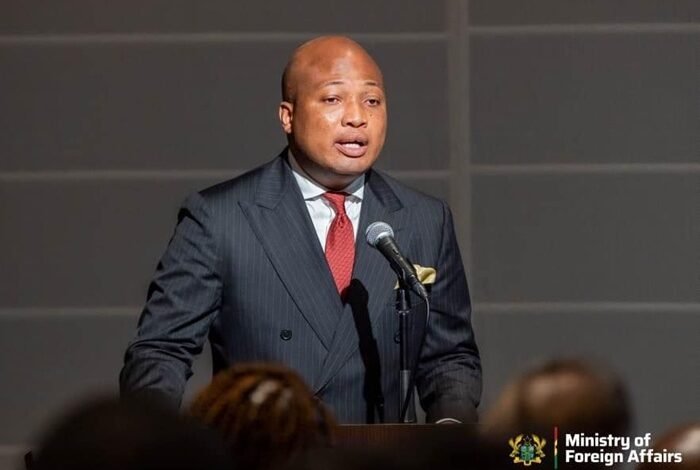
Foreign Affairs Minister Samuel Okudzeto Ablakwa has accused the Minority in Parliament of double standards over its concerns about Ghana’s proposed membership of BRICS, arguing that the previous Akufo-Addo administration also considered joining the bloc.
Mr Ablakwa said the Akufo-Addo government had established a ministerial committee to examine the possibility of Ghana joining BRICS and reached a conclusion similar to that of the current administration.
“Akufo-Addo considered BRICS members’ advice and set up a ministerial committee to look at this. Their report is available. The Akufo-Addo government came to the same conclusion that President Mahama has come to,” he said.
Quoting from the previous government’s report, Mr Ablakwa said it recommended that Ghana acknowledge the vision behind BRICS and express interest in joining the bloc in the future.
He said he expected the Minority to acknowledge that the previous administration had also considered the issue and arrived at a similar position.
The minister’s comments follow calls by the Minority for an urgent parliamentary briefing on Ghana’s proposed BRICS membership, with lawmakers insisting that Parliament must assess the economic, diplomatic and national interest implications before the government proceeds.
The demand comes after Mr Ablakwa announced that Cabinet had approved Ghana’s decision to formally apply to join the bloc.
Speaking to Citi News, the Ranking Member of Parliament’s Foreign Affairs Committee, Samuel Abu Jinapor, acknowledged that BRICS membership could provide Ghana with alternative sources of financing and broaden its international partnerships. However, he warned that the decision could also have adverse implications for the country’s national interests.
“We acknowledge that this decision may come with some benefits to our country, but in the same token, there are far-reaching implications which may be adverse to the national interest of our country,” Mr Jinapor said.
He stressed that Ghana’s foreign policy must be guided primarily by its national interests and called for greater clarity on the government’s decision to pursue full membership.
Mr Jinapor also questioned why Ghana was not considering an approach similar to Nigeria’s, which holds BRICS partner-country status and is a member of the New Development Bank.
He further called on Parliament to examine the conditions attached to financing available through the BRICS framework and determine whether membership would translate into greater financial independence for Ghana.
“We think that the Foreign Affairs Minister, once Parliament resumes, ought to brief the House as a matter of urgency to set out the full details of this decision and the full contours of our potential relationship with BRICS, and what the implications will be on our national economy, our national interest, and Ghana’s standing in the international community given the decision that has been taken,” he said.
BRICS is a grouping that includes Brazil, Russia, India, China and South Africa, alongside additional members admitted in recent years. The bloc seeks to strengthen economic and diplomatic cooperation among participating countries.