Minority Leader calls for independent legal counsel to strengthen African Parliaments
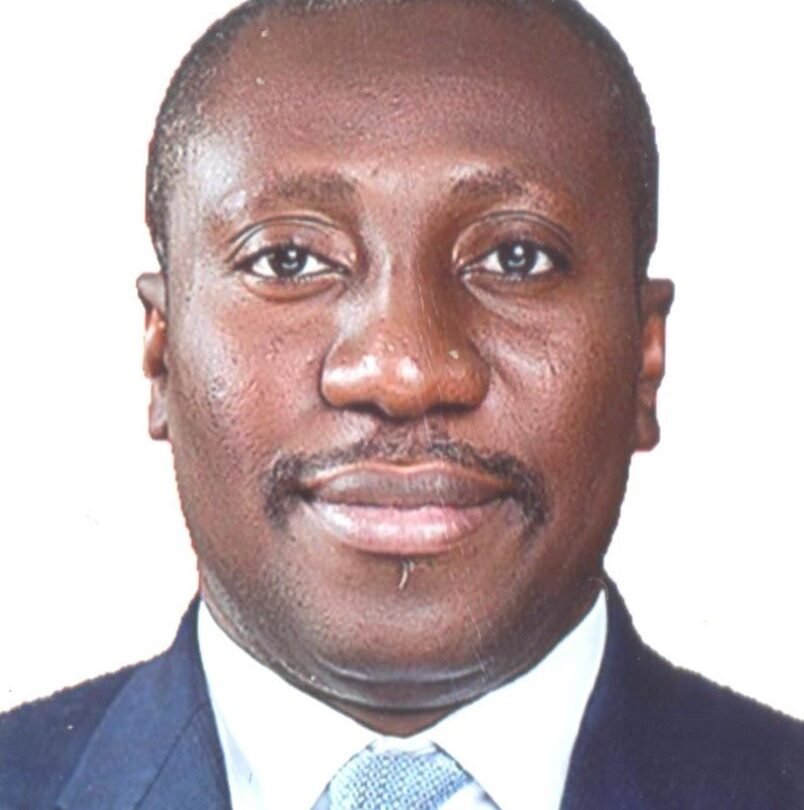
Minority Leader Alexander Afenyo-Markin has called for greater independence of parliamentary legal counsel, warning that Parliament’s ability to perform its constitutional functions is undermined when it relies on the executive arm of government for legal opinions.
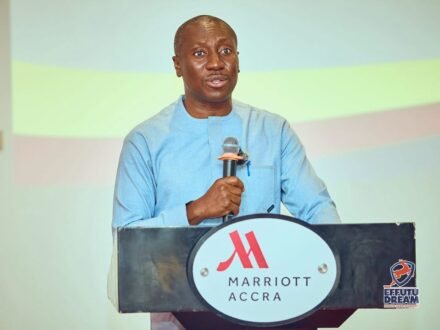
Speaking at the opening ceremony of the 8th Africa Colloquium of Legal Counsel to Parliaments at Accra City Hotel on Tuesday, October 13, 2026, Mr Afenyo-Markin stressed that the legislature must have access to independent, professional and impartial legal advice to effectively scrutinise government actions and uphold constitutional principles.
“A Parliament that depends upon the executive for its legal opinions is a diminished Parliament,” he stated.
He argued that parliamentary legal counsel must be sufficiently autonomous to provide candid advice on constitutional and procedural matters without undue influence from the executive or partisan political interests.
According to him, the independence of parliamentary counsel is essential to preserving the separation of powers and ensuring that Parliament can discharge its responsibilities without being constrained by the interests of another arm of government.
Mr Afenyo-Markin further emphasised that the work of parliamentary lawyers extends beyond providing technical legal opinions. They also have a responsibility to protect parliamentary institutions, promote constitutionalism and help ensure that parliamentary procedures are applied fairly.
He maintained that the principle of non-partisanship should not be confused with passivity, stressing that legal counsel must be prepared to speak up when parliamentary practices threaten established rules or constitutional safeguards.
The Minority Leader also highlighted the need for parliamentary counsel to remain attentive to the rights of minority groups within legislative institutions.
He argued that independent legal advice should help ensure that parliamentary procedures are not used to undermine legitimate opposition participation or weaken the ability of minority members to perform their oversight responsibilities.
His remarks formed part of discussions on strengthening the institutional capacity of African legislatures and improving the independence of their legal services.
The colloquium provides a platform for parliamentary legal practitioners across the continent to exchange experiences and promote professional, independent legal services to legislatures.
Mr Afenyo-Markin also underscored the importance of reviewing the implementation of the Nairobi Principles, which provide guidance on the establishment and operation of independent legal counsel offices in African parliaments.
He urged participants to consider how the principles could be strengthened and applied more effectively in response to contemporary parliamentary challenges.
He maintained that an independent legal service is not merely an administrative arrangement but a necessary safeguard for parliamentary autonomy, democratic accountability and the rule of law.