Jospong has created 6,500 direct jobs in waste management in 20 years – Dr Boamah
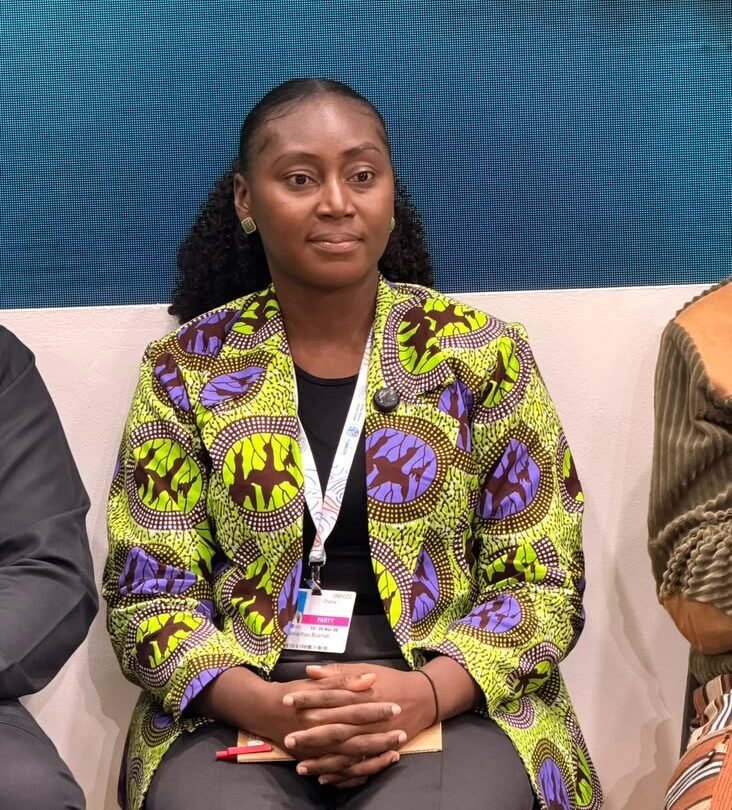
A Senior Sustainability Officer at Jospong Group of Companies, Dr Gloria Boamah, has called for a shift from conventional waste collection and disposal practices to integrated waste management systems, arguing that recycling, composting, treatment and resource recovery can generate significant employment opportunities across the Global South.
She said many countries in the Global South continued to rely largely on conventional waste management approaches, which focused on collecting and disposing of waste rather than treating it as a resource that could support economic activity and create jobs.
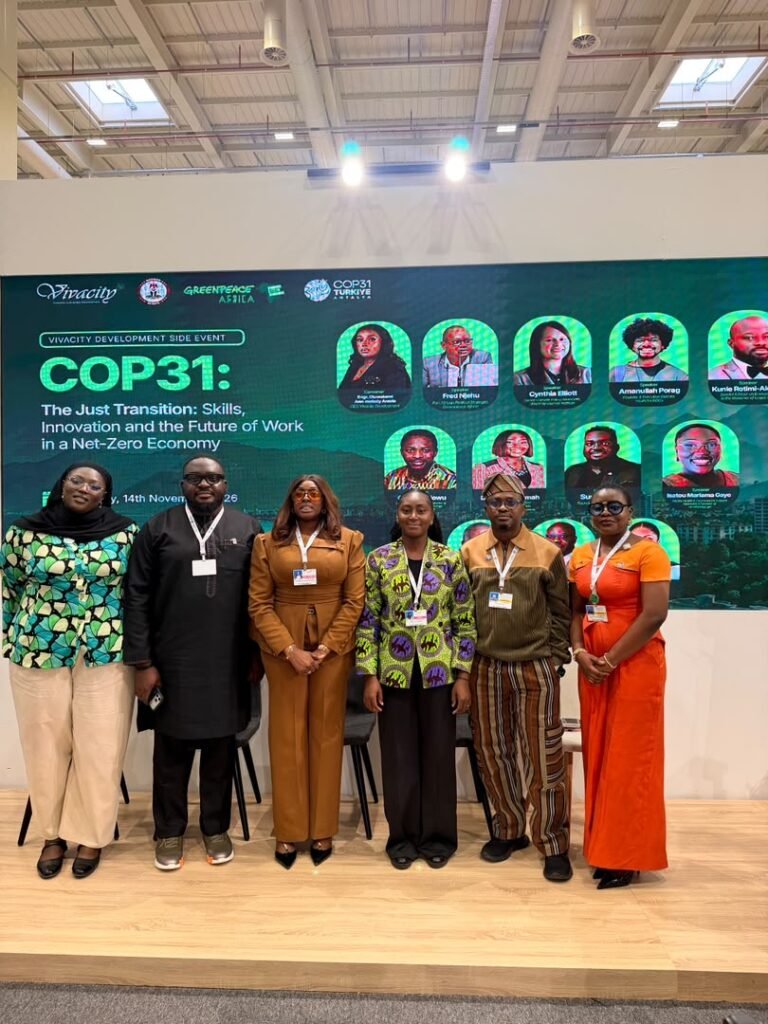
Speaking at a side event organised by Vivacity Development at the 31st United Nations Climate Change Conference (COP31) in Antalya, Türkiye, on Saturday, November 14, 2026, Dr Boamah said adopting a more integrated approach to waste management could help create green jobs while supporting economic development.
The event, held at the Nigerian Pavilion in the Blue Zone of the Antalya Expo Centre, was themed “The Just Transition: Skills, Innovation and the Future of Work in a Net-Zero Economy.”
“There is a very huge gap when it comes to the Global South because most of us are doing conventional waste management, where we just collect and then dispose of our waste,” she said.
“But we need to come to the place where we are not just collecting the waste, but we are recycling, we are composting, we are treating. We are doing resource recovery.”
Dr Boamah said an integrated waste management system could create employment opportunities for people with different professional backgrounds, including engineers, chemical engineers, electrical engineers and compliance specialists.
Drawing on the experience of the Jospong Group, she said the company had demonstrated that an integrated approach to waste management was practical and could deliver significant employment benefits.
She explained that the group operated across several areas, including solid waste management, liquid waste management, medical waste management, plastic waste management and resource recovery.
According to her, the group had directly employed approximately 6,500 people over the past 20 years, while its operations had supported the livelihoods of about 250,000 people.
“Just one group of companies has given jobs, saved jobs, to about 250,000 people, and it is very possible because of how we have made waste management an integrated system,” she said.
She also highlighted the group’s efforts to explore productive uses for refuse-derived fuel (RDF), a product generated from processed waste, as part of its broader resource recovery activities.
Dr Boamah said the experience demonstrated the potential of waste management to contribute to a just transition by creating employment opportunities beyond conventional waste collection and disposal.
She urged countries in the Global South to consider integrated waste management as part of their sustainability and economic development strategies, stressing that the sector could support job creation across several technical and professional fields.
The COP31 side event brought together speakers and stakeholders to discuss the skills, innovation and employment opportunities needed to support the transition to a net-zero economy.