ESPA calls for dedicated waste disposal sites for Aboboyaa operators
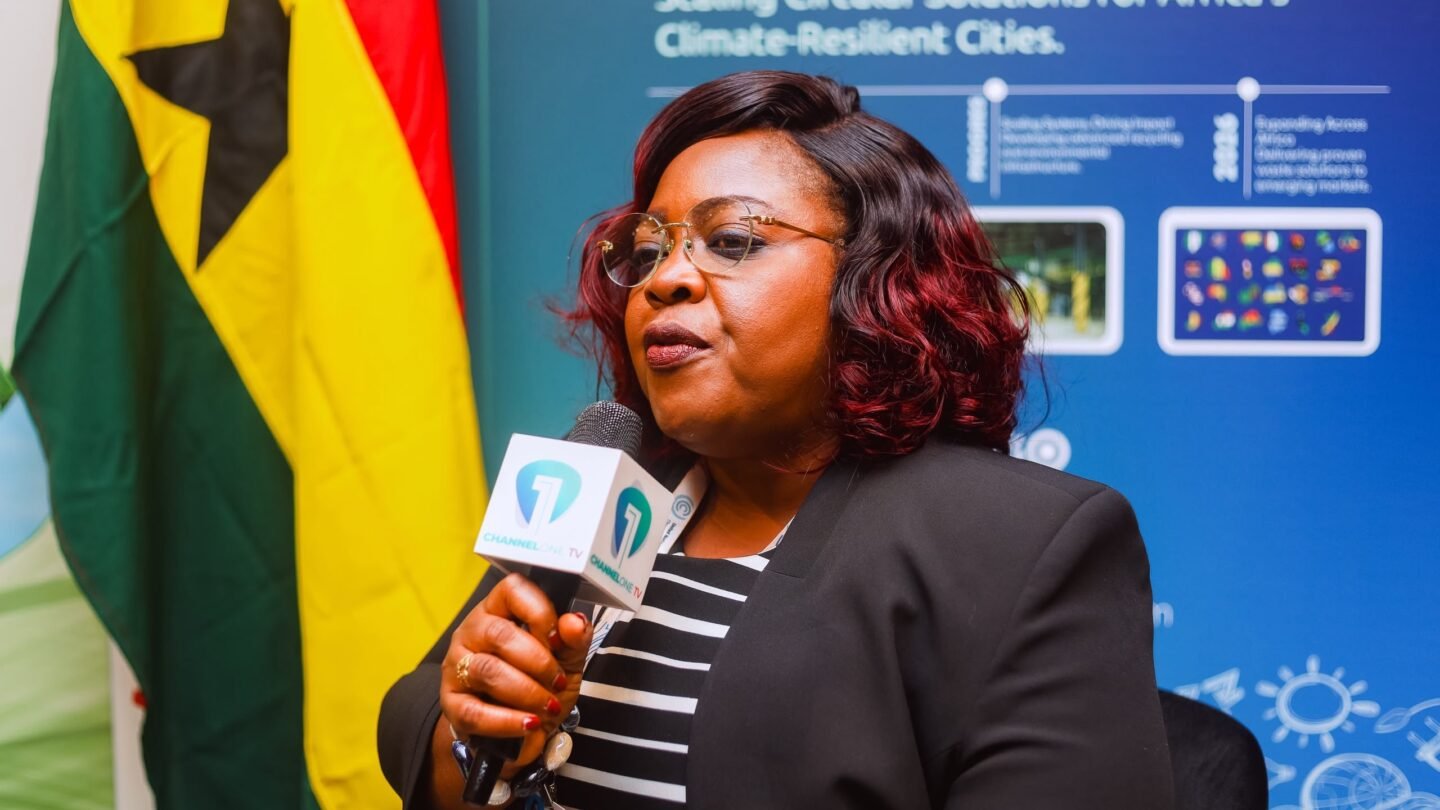
The Executive Secretary of the Environmental Service Providers Association (ESPA), Ama Ofori Antwi, has called on the government to establish strategically located waste disposal and transfer facilities for tricycle waste collectors, popularly known as Aboboyaa operators, to improve waste collection efficiency and sanitation management across the country.
She said the absence of accessible and designated waste disposal facilities remains a major challenge for operators, particularly those serving densely populated and underserved communities.
According to her, many Aboboyaa operators are forced to travel long distances to dispose of collected refuse, increasing their operational costs, consuming productive working hours and limiting the number of households they can serve daily.
Madam Ofori Antwi made the appeal during an interaction with journalists at the Jospong Group of Companies Pavilion at the ongoing 31st United Nations Climate Change Conference (COP31) in Antalya, Türkiye.
She noted that given the growing contribution of tricycle operators to Ghana’s waste management system, their activities must be incorporated into broader municipal sanitation planning.
She explained that strategically located transfer stations would provide convenient points for operators to discharge collected waste before it is transported in larger vehicles to approved recycling, treatment and final disposal facilities.
Such facilities, she said, would reduce the distances travelled by smaller waste collection vehicles, improve turnaround times and enable operators to serve more households within shorter periods.
The arrangement could also help lower fuel consumption, vehicle maintenance costs and other operational challenges associated with transporting refuse over long distances.
Madam Ofori Antwi stressed that improving access to waste disposal infrastructure would help address indiscriminate dumping and the accumulation of refuse in residential communities.
She called for stronger collaboration among metropolitan, municipal and district assemblies, private waste management companies and small-scale waste collectors to develop a more coordinated and inclusive sanitation system.
Beyond the operational challenges facing Aboboyaa operators, the ESPA Executive Secretary expressed concern about the continued existence of open dumping sites in urban communities.
She called for the gradual elimination of such facilities, warning that poorly managed waste disposal practices pose significant environmental, public health and climate-related risks.
According to her, Ghana must move away from unsustainable waste disposal methods and invest in modern infrastructure that promotes waste recovery, recycling, treatment and environmentally responsible final disposal.
Open dumping can contribute to methane emissions, particularly when biodegradable waste decomposes under oxygen-limited conditions. Uncontrolled disposal also exposes surrounding communities to offensive odours, disease vectors, contaminated runoff and other environmental hazards.
She therefore urged the government to prioritise sustainable waste management as an essential component of the country’s climate action and urban development agenda.
Madam Ofori Antwi maintained that improving waste disposal systems and eliminating environmentally harmful practices would contribute to cleaner cities, healthier communities and greater climate resilience.
The ESPA Executive Secretary’s intervention highlights the important role of small-scale and informal waste collectors in Ghana’s sanitation value chain.
In many urban and peri-urban communities, Aboboyaa operators provide household waste collection services in areas where larger refuse trucks face accessibility challenges because of narrow roads, poor road networks and congested settlements.
Their operations help bridge gaps in waste collection coverage, providing an essential service to households and small businesses.
However, the effectiveness of these operators depends partly on access to suitable disposal infrastructure and coordination with formal waste management service providers.
An integrated approach involving designated transfer points, improved registration and operational oversight, environmental education and partnerships with licensed waste management companies could help improve accountability and reduce indiscriminate dumping.
It would also ensure that refuse collected from communities is transported to approved treatment or disposal facilities.
Her appeal comes as discussions at COP31 place renewed attention on practical measures to address climate change, strengthen urban resilience and promote sustainable development.
Waste management remains an important component of climate action, particularly through efforts to reduce methane emissions by improving organic waste treatment, recycling and landfill management.
For Ghana, expanding access to modern waste management infrastructure could improve environmental sanitation while contributing to national climate mitigation objectives.
Investment in waste segregation, composting, recycling, material recovery and engineered disposal facilities could also create employment opportunities and support the development of a circular economy.
The participation of the Jospong Group of Companies at COP31 provides a platform to highlight the contribution of Ghana’s private sector to environmental management and explore opportunities for international cooperation, technology transfer and green investment.
Through its environmental services businesses, the Group has undertaken waste collection, recycling and treatment initiatives aimed at improving sanitation infrastructure and resource recovery.
Madam Ofori Antwi’s recommendations reinforce the importance of linking community-level waste collection activities to modern treatment infrastructure as Ghana works towards a more sustainable waste management system.
The ESPA Executive Secretary also emphasised the need for government to strengthen its commitment to sanitation infrastructure through practical policies, strategic investment and collaboration with private sector operators.
She said waste management planning must address not only the construction of major treatment facilities but also the collection and transportation systems required to deliver refuse efficiently to those facilities.
A coordinated national approach she said could enable metropolitan, municipal and district assemblies to identify suitable locations for transfer stations, establish appropriate environmental safeguards and develop operational arrangements that support both formal and informal waste collectors.
Such investments could also ease pressure on existing disposal sites, improve service delivery and contribute to efforts to build cleaner and more environmentally sustainable cities.