NACOC informant demanded $20 million for intelligence on major drug bust – Muntaka
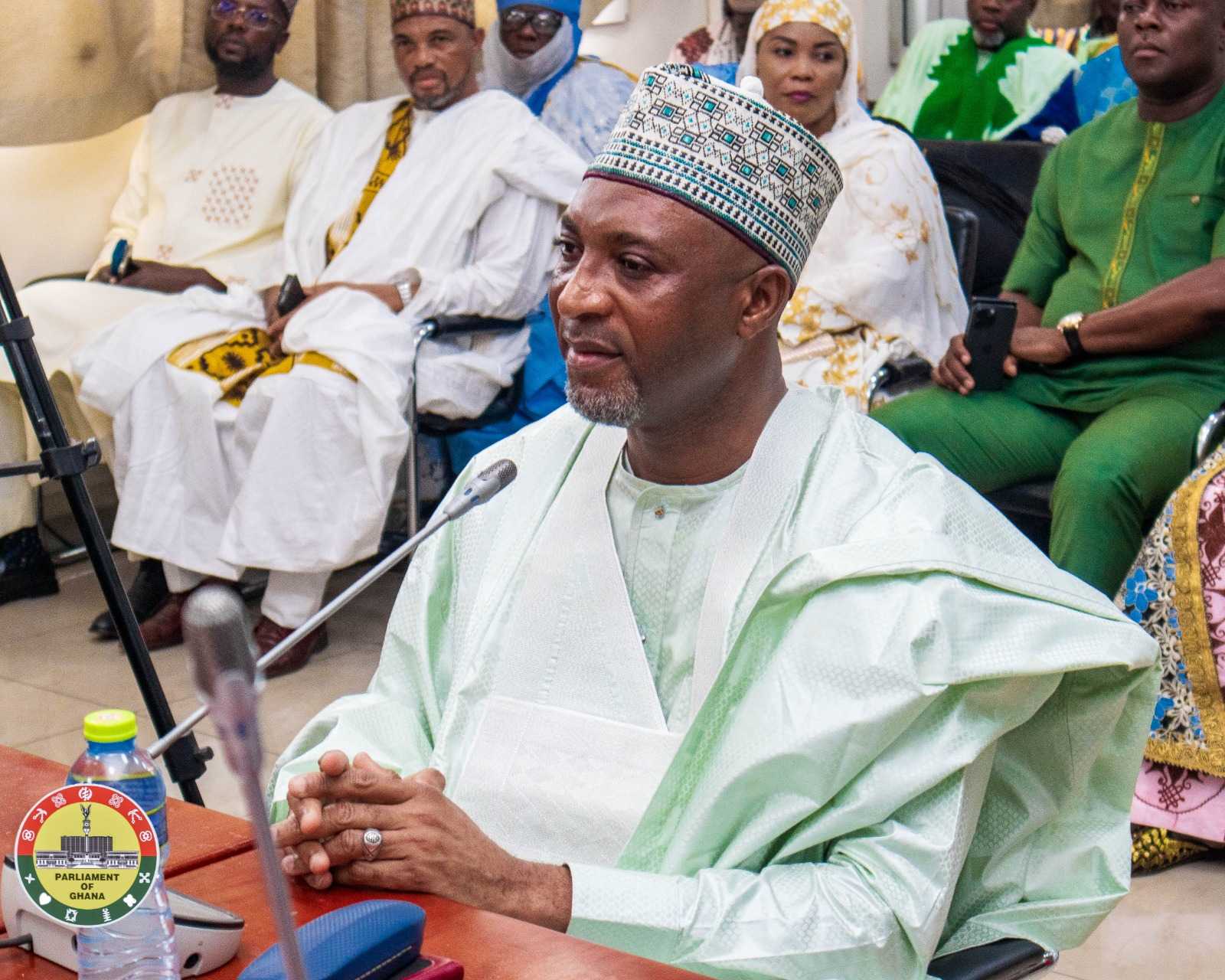
The Minister for the Interior, Mubarak Mohammed Muntaka, has revealed that an informant recently demanded US$20 million from the Narcotics Control Commission (NACOC) in exchange for information that could lead to the seizure of a major drug consignment.
He said the demand was beyond the commission’s financial capacity and appealed to the public to provide credible intelligence to law enforcement agencies without imposing excessive financial conditions.
Speaking on Joy FM’s Super Morning Show on Monday, October 12, Mr Muntaka said the government was willing to compensate informants whose information helped uncover criminal activities but stressed that such payments had to be reasonable.
“What is the budget of the whole Narcotics Control Commission that somebody, an informant, is making this kind of demand?” he asked.
The minister explained that although the government recognised the importance of intelligence from the public in combating drug trafficking, law enforcement agencies operated with limited resources and could not meet every financial demand.
He said some individuals had approached him with information about suspected illegal activities since he assumed office at the Interior Ministry, with some requesting financial assistance in exchange for their cooperation.
Mr Muntaka maintained that where authorities agreed to compensate informants for credible intelligence, the state had a responsibility to honour its commitments.
However, he appealed to the public to consider the financial constraints facing law enforcement agencies and avoid making excessive demands.
“We are pleading with our citizens that we need to keep all of us safe. We don’t have unlimited resources. Sometimes we do this from our own pocket. Please, help us,” he said.
He added that authorities could assist informants with reasonable expenses, including transportation, where necessary.
Beyond the challenges associated with intelligence gathering, Mr Muntaka said Ghana was making progress in identifying and arresting suspects linked to drug-related offences.
He attributed the progress to collaboration with international partners and improvements in the ability of law enforcement agencies to identify suspects following drug-related incidents.
“Previously, identifying individuals suspected of involvement in such crimes could take a long time. Today, however, we can identify suspects and make arrests within three to four days,” he said.
The minister stressed that Ghana could not effectively combat drug trafficking in isolation, given the transnational nature of criminal networks involved in the illicit drug trade.
He called for sustained international cooperation and intelligence sharing to help authorities identify trafficking networks, track suspects and prevent the movement of illicit drugs across borders.
Mr Muntaka also urged the public to report suspicious activities to the appropriate authorities, emphasising that citizens had an important role to play in supporting law enforcement efforts.
“You see something, say something,” he said.
He reiterated that credible intelligence from the public, coupled with international cooperation and the effective use of available resources, remained essential to Ghana’s efforts to combat drug trafficking.