
President Mahama directs state-owned enterprises, public institution CEOs who have exceeded retirement limits to hand over
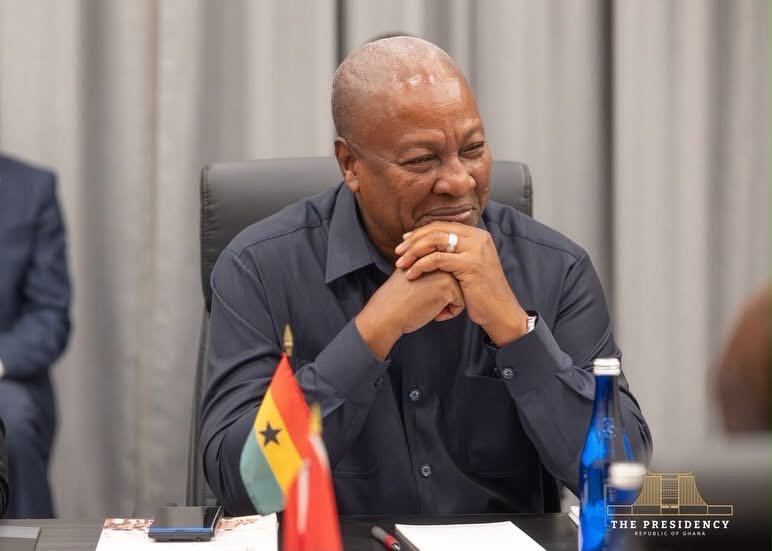
The Presidency has directed Ministers of State to ensure that chief executives of public institutions and state-owned organisations who have exceeded the constitutional retirement limits hand over their responsibilities and vacate office.
The directive, contained in a letter dated November 23, 2026, and signed by the Secretary to the President, Dr Callistus Mahama, requires ministers to enforce the retirement provisions under Article 199 of the 1992 Constitution across institutions under their supervision.
It applies to chief executives who have attained the compulsory retirement age of 60 but are serving without valid post-retirement contracts, those whose contracts have expired, and those who have exhausted the maximum period permitted for re-engagement.
Under Article 199(1) of the Constitution, public officers are required to retire upon attaining the age of 60, except where otherwise provided by the Constitution.
However, Article 199(4) allows appointing authorities to re-engage retired public officers where the needs of the service require it.
Such re-engagements may be granted for periods of up to two years at a time, subject to a cumulative maximum of five years. Consequently, public officers re-engaged immediately after attaining the compulsory retirement age of 60 cannot serve beyond 65 under this provision.
The Presidency has therefore instructed affected chief executives to prepare and submit their handing-over notes to their respective boards or councils without delay and vacate their positions.
Those approaching the end of their lawful tenure have also been directed to complete the handover process by their final day in office.
The handing-over notes are expected to outline ongoing programmes, outstanding decisions and commitments, as well as issues requiring the immediate attention of the respective boards or councils.
Ministers of State have been tasked with ensuring strict compliance with the constitutional provisions across all public institutions and state-owned organisations under their respective overs