

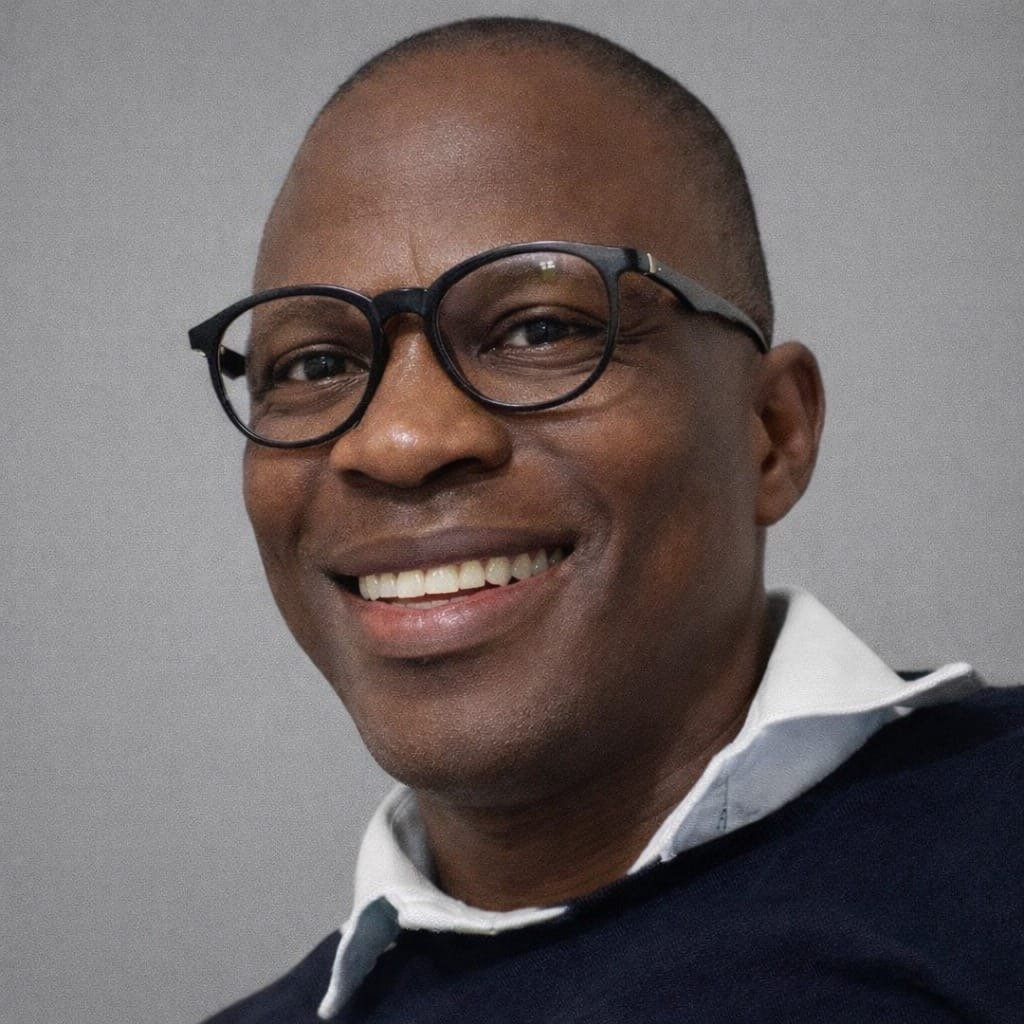
A strong call for responsible and ethical use of artificial intelligence (AI) in Ghana’s universities has been made as concerns continue to grow globally about the impact of AI tools on academic integrity and research quality.
Delivering a public lecture on “Ethical Use of AI in Research and Academic Work” at the Methodist University Ghana, AI and Digital innovation Expert, Joseph Atta-Woode urged students, faculty, university authorities, and policymakers to move away from fear-driven narratives about artificial intelligence and instead focus on governance, literacy, and ethical use of Generative AI models.
The lecture, which was organized by the Faculty of Business Administration (FBA) of the University, was attended by academics, postgraduate students, and technology enthusiasts addressed the widespread perception that the use of AI tools such as ChatGPT, Gemini, Copilot, and Claude automatically amounts to cheating or intellectual dishonesty.
According to Mr. Atta-Woode, this perception is misleading and counterproductive. “AI is not inherently unethical,” he stated. “What threatens academic credibility is not the technology itself, but how it is used. When guided by ethics, transparency, and critical thinking, AI enhances scholarship rather than destroys it.”
Mr. Atta-Woode who is also an AI & Digital Innovations Lecturer and AI Facilitator at Ghana Christian University College noted that artificial intelligence has quietly become part of everyday academic life, from literature reviews and data analysis to language editing and conceptual clarification. Attempting to ban AI outright, he argued, would be unrealistic and harmful to Ghana’s competitiveness in the global knowledge economy.
Citing international trends, he explained that universities worldwide are shifting from prohibition to regulation, now requiring for disclosure of AI use in academic work while actively teaching students how to use the tools responsibly.
“Universities exist to prepare students for the future, not the past,” he said. “That future is undeniably AI-driven.”
Mr. Atta-Woode who is also a PhD Scholar at Sharda University, India took the audience through how AI interacts with each stage of the research lifecycle, topic selection, literature review, methodology, data analysis, and interpretation highlighting where ethical boundaries must be drawn.
While AI can assist with brainstorming research ideas and summarizing complex literature, he cautioned against copying AI-generated content verbatim or citing unverified references.
He warned that over-reliance on AI, especially without engaging original academic sources, could weaken scholarly rigour and lead to misinformation, a problem commonly referred to as “AI hallucination.”
“AI can assist the researcher, but it must never replace the researcher,” he stressed. “Human judgment, cultural context, and ethical reasoning remain non-negotiable in serious academic work.” “AI is a tool, not a shortcut,” He emphasized. “When used ethically, it strengthens research quality and protects the credibility of our research works at the universities.”
Mr. Atta-Woode asked students to uphold academic integrity by not submitting AI generated content as original work. “Ideas, arguments, and conclusions must remain human-driven.” Adding that students and researchers should disclose how AI tools were used and AI outputs must be verified for AI errors do not excuse academic mistakes and that responsibility always rests with the researcher.
Dr. P.Q.Eleke- Aboagye, Dean, Faculty of Business Administration of the Methodist University Ghana asked students to acquire the requisite knowledge on Artificial Intelligence to enable them use it ethically for their academic and research work.
He proposed a short courses on AI at the various universities to enable students and lecturers to know how to use it ethically for their academic and research works.
Dr. Eleke- Aboaye hinted of AI short courses at the Methodist University Ghana for all categories of students pursuing various courses to make them smarter, competitive and marketable after completion of their courses.
He thanked the participants for their presences and questions and assured them to anticipate more of such programmes and interaction as the university prepare them for the future.