Bank of Ghana assets grow 3.5% to GH¢321.4bn in March
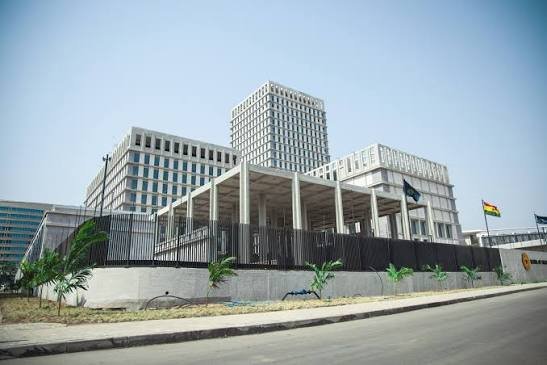
The Bank of Ghana’s total assets expanded to GH¢321.38 billion in March 2026, driven by stronger foreign asset holdings, increased investments in foreign securities and the continued growth of gold reserves.
According to the central bank’s latest Monthly Statistical Bulletin, total assets increased from GH¢310.58 billion in February 2026, representing a month-on-month rise of GH¢10.8 billion, or 3.5%.
On a year-on-year basis, the Bank’s asset base grew by GH¢7.98 billion from GH¢313.40 billion recorded in March 2025, reflecting growth of 2.6%.
The increase was largely supported by a rebound in foreign assets, which rose significantly to GH¢128.0 billion in March 2026 from GH¢109.48 billion in February. The latest figure represents an increase of GH¢18.52 billion, or nearly 17%, within a month.
Although the March 2026 figure remains slightly below the GH¢129.73 billion recorded in the same period last year, the latest data points to a strong recovery in the composition of the central bank’s external asset portfolio.
The growth comes amid improvements in Ghana’s external reserves position, supported by stronger foreign exchange inflows, increased gold accumulation and improving macroeconomic conditions.
Within the foreign asset portfolio, holdings in foreign securities recorded the strongest growth. The value of foreign securities held by the Bank of Ghana rose to GH¢81.56 billion in March 2026, up from GH¢65.98 billion in February and GH¢48.52 billion in January.
This means investments in foreign securities have expanded by more than GH¢33 billion since the beginning of the year, making them one of the fastest-growing components of the central bank’s balance sheet.
The development suggests a strengthening of reserve assets through increased investments in foreign-denominated financial instruments, which provide liquidity, diversification and income generation.
The latest figures also underscore the growing importance of gold within Ghana’s reserve management framework. Over the past two years, the Bank of Ghana has steadily increased its gold holdings through domestic gold purchase programmes aimed at diversifying reserve assets and reducing dependence on traditional foreign currency reserves.
The continued growth in gold-backed assets has provided an additional buffer against exchange rate volatility and external shocks, particularly during periods of global economic uncertainty.
Combined with stronger foreign securities and improved foreign currency balances, gold continues to play a key role in supporting the resilience of the central bank’s balance sheet.
The expansion in the Bank of Ghana’s asset base comes at a time when the country’s macroeconomic indicators are showing signs of improvement following progress under the IMF-supported reform programme.
A stronger central bank balance sheet enhances confidence in Ghana’s monetary and external sector position and strengthens the Bank’s ability to manage liquidity, maintain exchange rate stability and respond to external shocks.
The latest data also points to continued progress in reserve accumulation efforts, supported by stronger foreign asset holdings and a more diversified reserve portfolio.