Supreme Court rejects Trump’s bid to end automatic US citizenship by birth
The United States Supreme Court has upheld birthright citizenship, ruling that children born on American soil to parents who are unlawfully or temporarily present in the country are entitled to US citizenship under the Constitution, in a major setback for President Donald Trump’s efforts to restrict immigration.
In a 6-3 decision delivered on June 30, Chief Justice John Roberts wrote that children born in the United States to undocumented immigrants and temporary visa holders are “citizens at birth” under the Citizenship Clause of the 14th Amendment. (Reuters)
The ruling struck down President Trump’s executive order seeking to deny automatic citizenship to children born in the US to undocumented immigrants and certain temporary residents, reaffirming a constitutional principle that has been in place since the adoption of the 14th Amendment in 1868.
Chief Justice Roberts was joined by four other justices who concluded that the Constitution guarantees birthright citizenship. Justice Brett Kavanaugh concurred separately, agreeing that the executive order was unlawful under federal statute, resulting in a 6-3 ruling against the Trump administration.
In the majority opinion, Roberts described citizenship as “the right to have rights” and argued that the framers of the 14th Amendment intended to extend that protection broadly to individuals born in the United States.
The decision represents a significant defeat for Trump’s immigration agenda. The president had argued that the phrase “subject to the jurisdiction thereof” in the 14th Amendment excludes children born to undocumented immigrants and some temporary visitors, and therefore does not guarantee them automatic citizenship.
The court’s ruling preserves a long-standing interpretation of the Constitution that has been upheld for more than a century, including in the landmark 1898 case of United States v. Wong Kim Ark, which affirmed birthright citizenship for nearly all persons born on US soil.
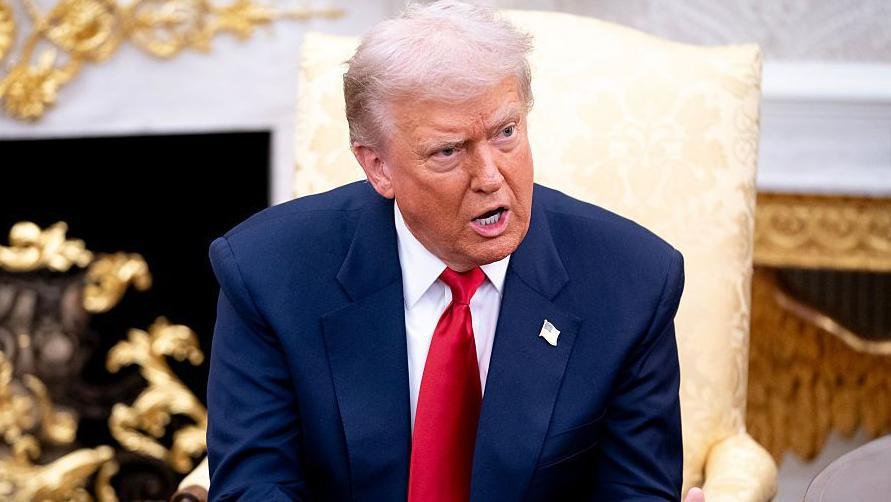
Following the ruling, President Trump criticized the decision on his Truth Social platform and called on Congress to pursue legislation aimed at ending birthright citizenship, arguing that a constitutional amendment would not be necessary.
Three conservative justices — Clarence Thomas, Neil Gorsuch and Samuel Alito — dissented. Thomas argued that the 14th Amendment was being interpreted beyond its original purpose, while Alito warned that the decision effectively grants citizenship to virtually anyone born in the United States, including children of temporary visitors.
The ruling was welcomed by civil rights and immigration advocacy groups, who described it as a reaffirmation of a fundamental constitutional guarantee. Democratic leaders also praised the decision, saying it reinforces the principle that all persons born in the United States are American citizens regardless of their parents’ immigration status.