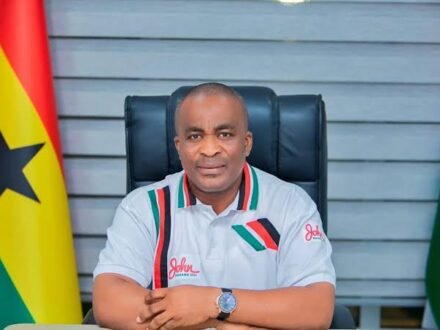
Government plans waste bins for every household under new sanitation strategy – Mahama Ayariga
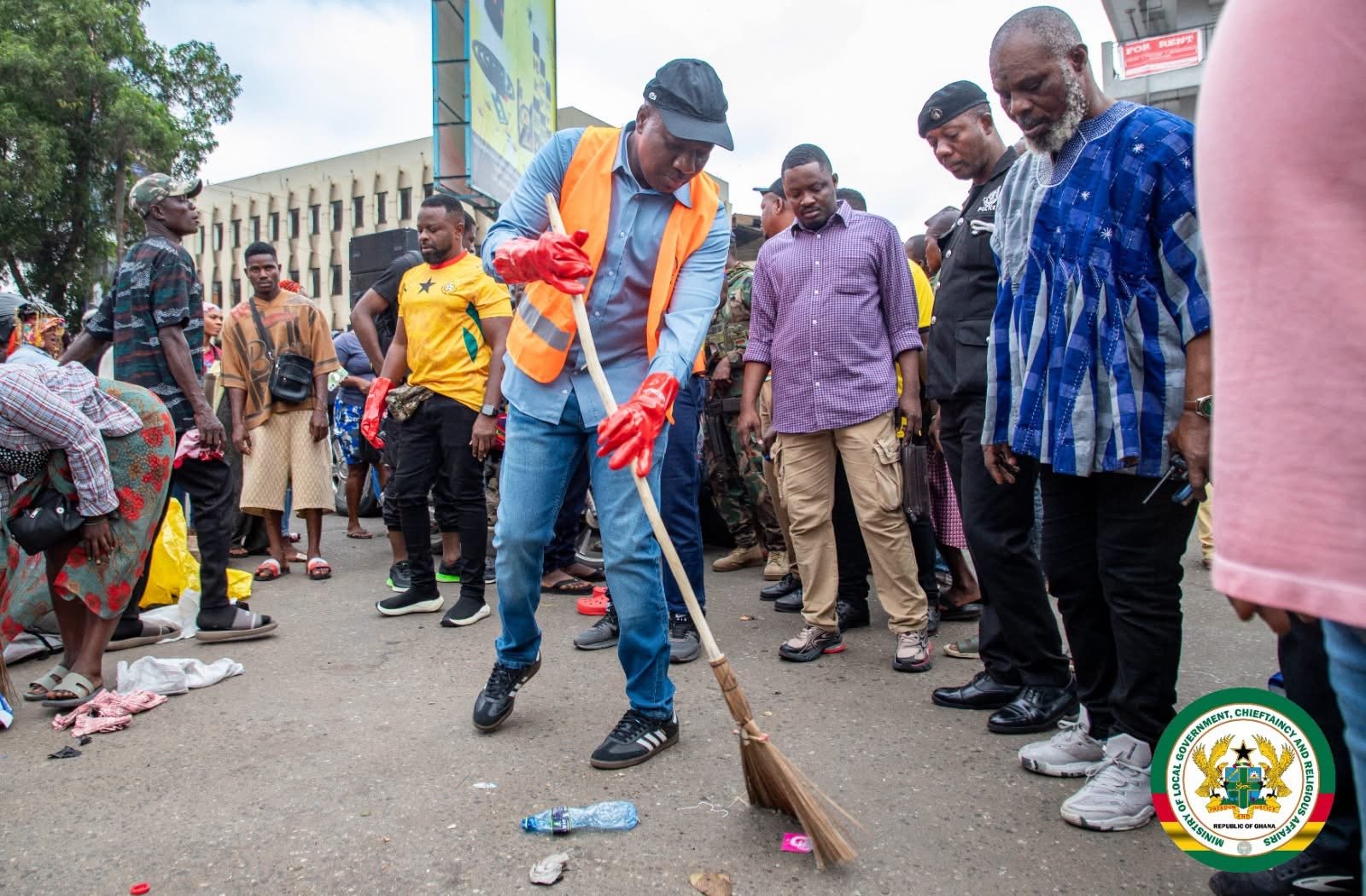
The Ministry of Local Government, Chieftaincy and Religious Affairs is developing a national waste management strategy that will seek to provide waste bins for every household across Ghana.
Minister for Local Government, Chieftaincy and Religious Affairs, Mahama Ayariga, said the initiative forms part of efforts to address systemic challenges confronting waste management and improve sanitation across the country.
According to him, the strategy will take into account the peculiarities of different communities in determining the type and location of waste bins to ensure that they are accessible and suitable for residents.
Mr Ayariga made the disclosure on Saturday, September 5, 2026, while observing activities marking the September edition of the National Sanitation Day exercise in parts of Accra.
He said the ministry was aware that the absence of appropriate waste containers and inadequate access to waste collection and discharge services remained major challenges affecting sanitation efforts in some communities.
“I know that we have systemic challenges. If the container is not there, or if the vehicles for discharging the waste are not available to discharge, that becomes a problem,” he said.
The Minister explained that the proposed strategy would therefore not adopt a one-size-fits-all approach, noting that some densely populated communities have narrow roads and areas that waste collection vehicles may be unable to access.
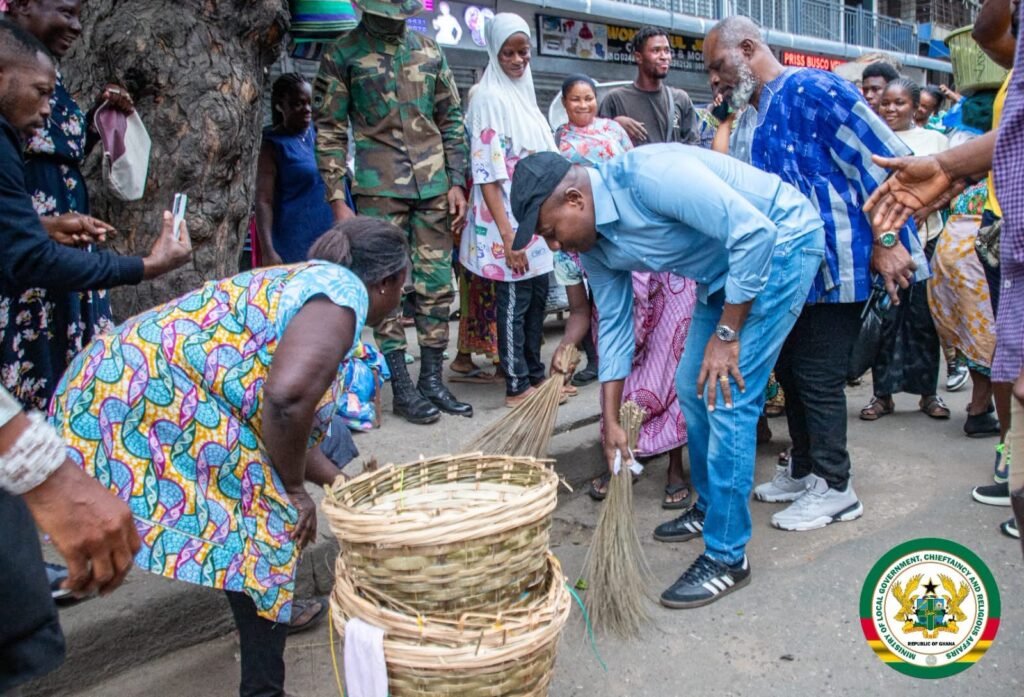
“For communities like this, we will figure out what kind of waste bin is most appropriate and where to locate it,” he said.
Mr Ayariga said the ministry was consulting Metropolitan, Municipal and District Chief Executives (MMDCEs) and other waste managers as part of the process of developing and validating the strategy.
He explained that the involvement of local authorities was necessary because they had practical experience in dealing with waste management challenges within their respective jurisdictions.
“They are on the ground and they are dealing with waste management on a daily basis, so by the time we finish and then validate it using the experiences of waste managers on the ground, we hope to achieve at least a 50% reduction in the household cost of waste management,” he said.
The Minister said reducing the cost of household waste management would leave families with more disposable income for other essential expenditures and could encourage greater participation in proper waste disposal.
Mr Ayariga, however, stressed that the proposed reforms should not cause residents to abandon their responsibility to maintain clean surroundings.
He urged households and communities to make sanitation a daily habit rather than treating the first Saturday of every month as the only time to clean their surroundings.
“Cleaning our environment is a daily occurrence. It should be part of our lifestyle,” he said.
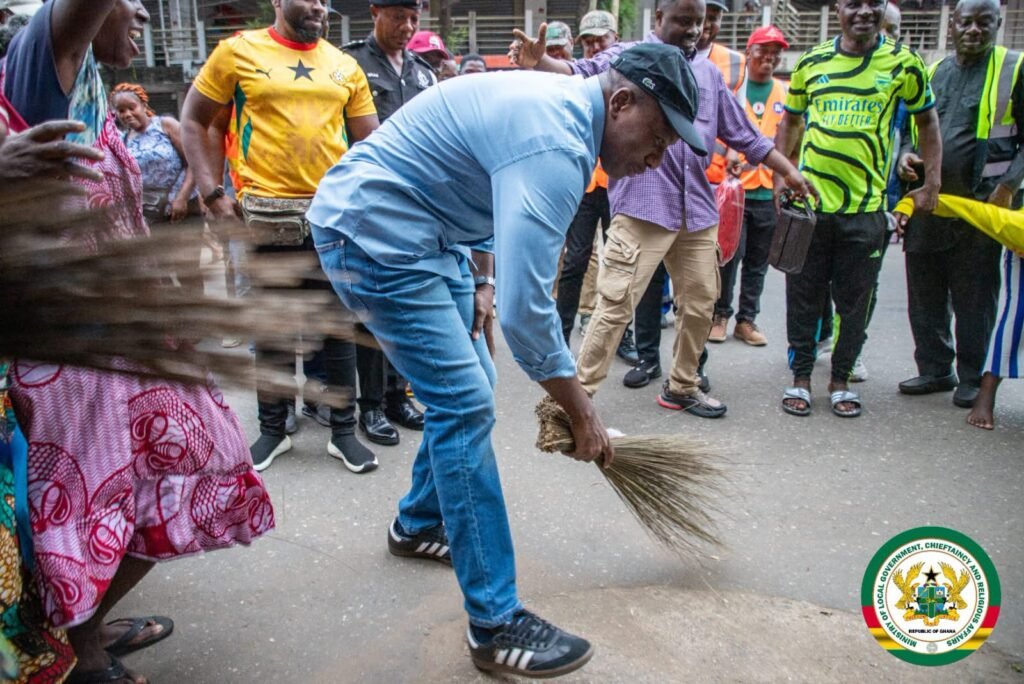
The September National Sanitation Day exercise in Accra was organised as a post-Homowo clean-up, with activities including the clearing of refuse, sweeping of public spaces, weeding of road medians and cleaning of major roads, markets, lorry parks and communities.
The Accra Metropolitan Assembly had directed shops, stalls, tabletop businesses and other trading activities to remain closed during the exercise to facilitate effective participation and cleaning.
The Minister said the government would continue to encourage communities to participate in the monthly exercise while working to develop longer-term systems capable of addressing Ghana’s waste management challenges.