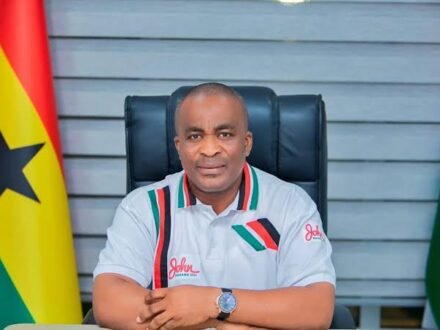
Govt targets 50% reduction in household waste management costs – Local Govt Minister
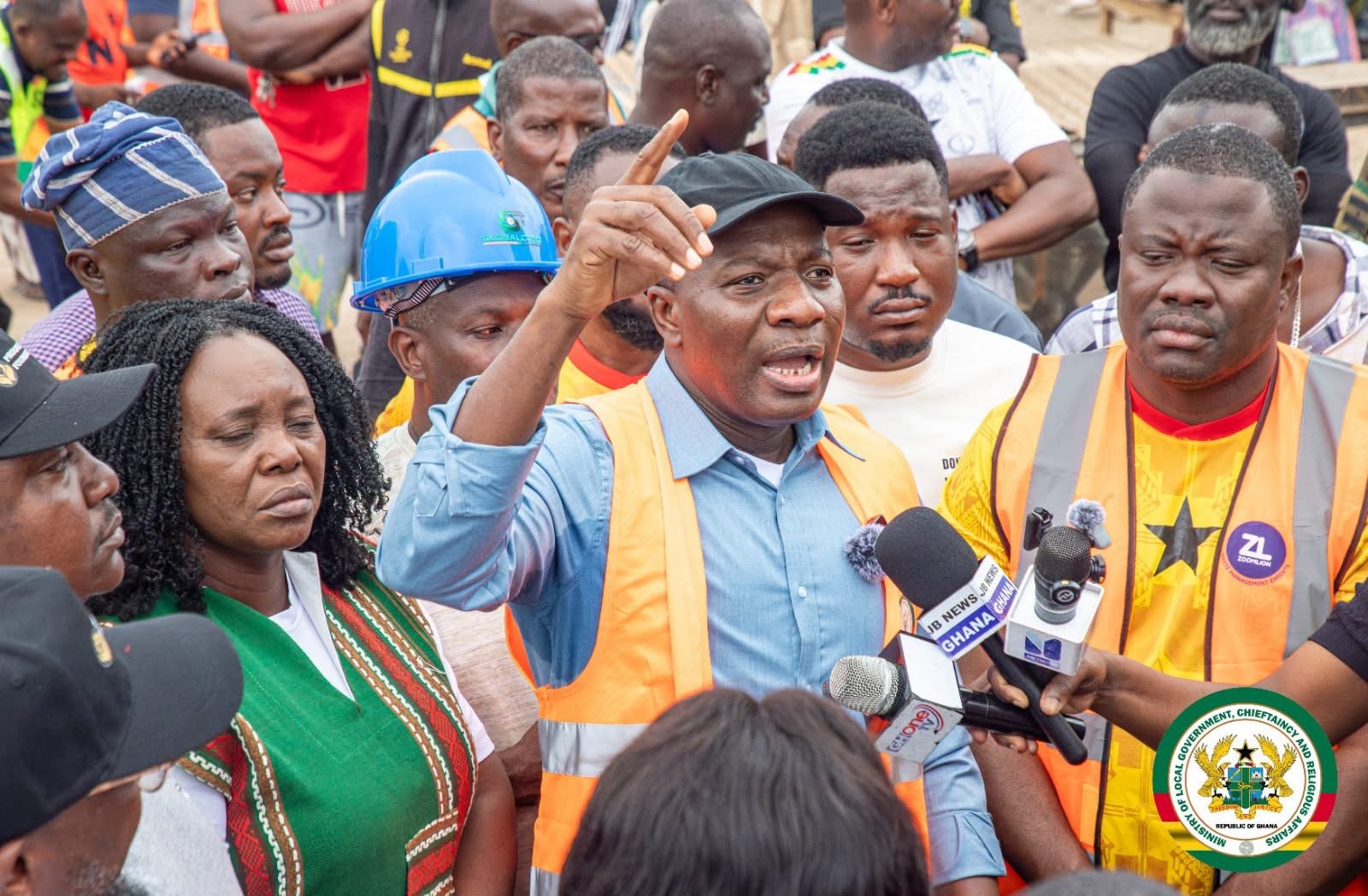
The government is targeting at least a 50% reduction in the cost households incur in managing their waste under a new national waste management strategy being developed by the Ministry of Local Government, Chieftaincy and Religious Affairs.
Minister Mahama Ayariga said the strategy was being developed in consultation with Metropolitan, Municipal and District Chief Executives (MMDCEs) and waste managers to ensure that it responds to challenges confronting communities across the country.
He said the government was seeking to design a more efficient waste management system that would reduce the financial burden on households while improving sanitation.
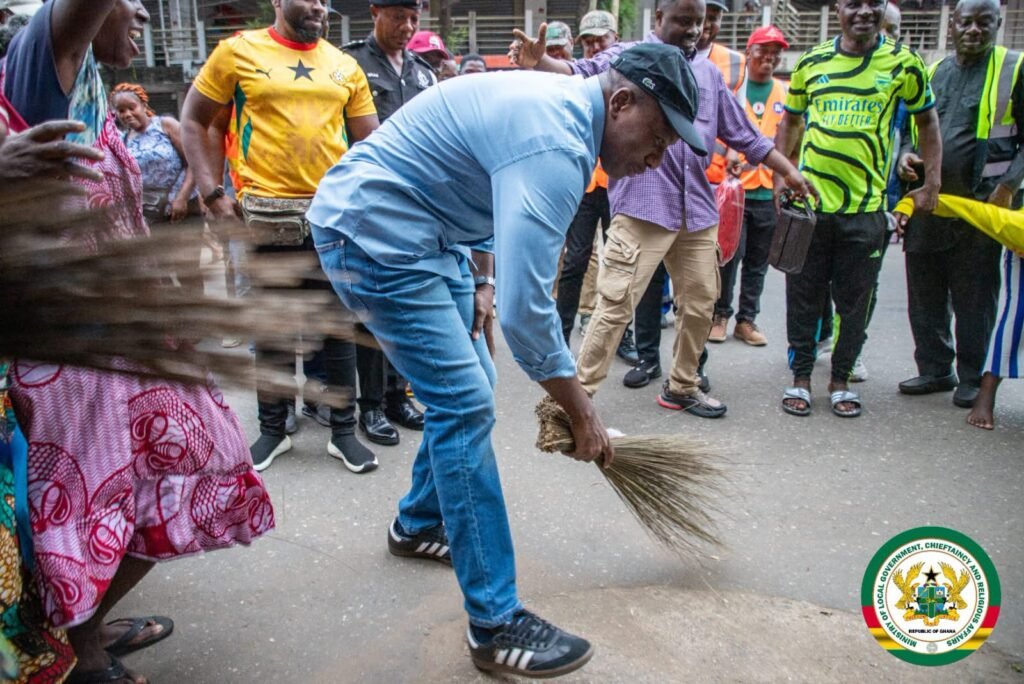
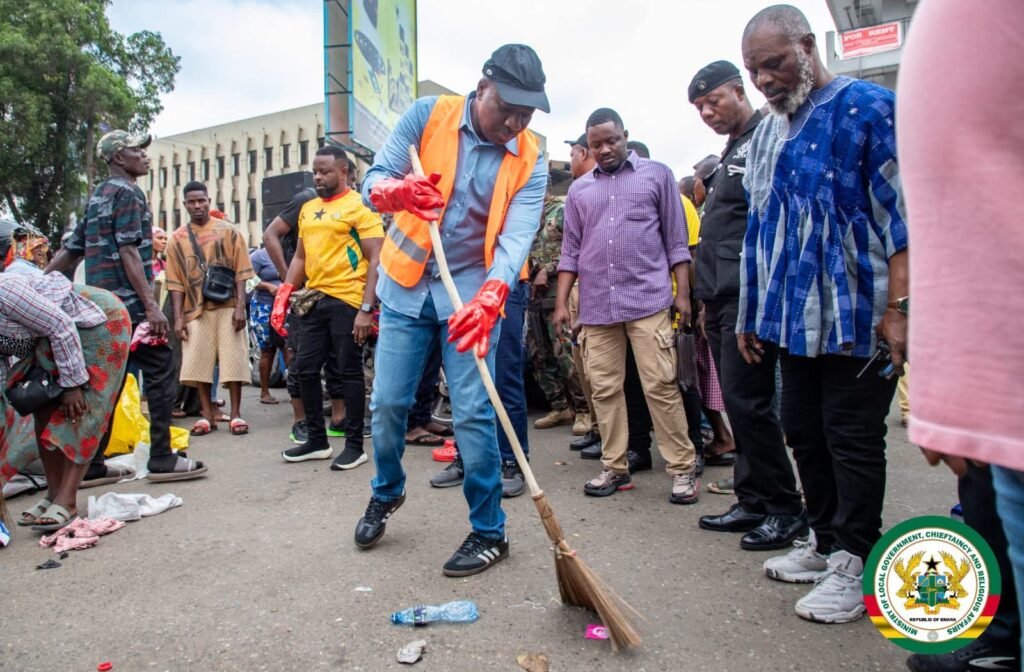
Mr Ayariga disclosed this on Saturday, September 5, 2026, during his monitoring of the National Sanitation Day exercise in parts of Accra.
“By the time we finish and validate the national waste management strategy, we hope to achieve at least a 50% reduction in the household cost of waste management,” he said.
According to the Minister, reducing household waste management costs would free up some income for families to meet other household needs.
“That will leave some revenue in the house to be used for other household expenditure, and that will serve as an encouragement for people,” he added.
Mr Ayariga said the government was consulting local authorities because MMDCEs and waste managers had first-hand knowledge of the operational difficulties associated with waste collection and disposal.
He said the proposed system would be subjected to scrutiny by the local authorities before it was finalised and implemented.
The Minister also disclosed that the strategy would include the provision of waste bins for households, with the type and location of bins determined by the specific needs of individual communities.
He noted that some densely populated areas have narrow roads that make it difficult for conventional waste collection vehicles to access households.
Mr Ayariga therefore said the government would consider alternative arrangements for such communities rather than deploying a uniform waste management system across the country.
The Minister’s comments come days after he called for a major overhaul of Ghana’s waste management system following an assessment of waste management facilities in the Greater Accra Region. His September 1 tour included the Accra Compost and Recycling Plant, waste transfer stations and the Kpone landfill site.
On National Sanitation Day, Mr Ayariga also urged Ghanaians not to regard the monthly clean-up exercise as a substitute for maintaining clean surroundings every day.
He said the first Saturday of every month should serve as an opportunity to mobilise communities for collective action, but sanitation must ultimately become part of people’s daily lifestyles.
“When you wake up and see things around you, you pick it and you dispose of it properly,” he said.
The September 5 exercise in Accra formed part of a post-Homowo clean-up initiative, with the AMA focusing on major roads, markets, lorry parks, public spaces and communities.
Mr Ayariga said households should continue to practise proper sanitation while the government works to develop and implement systems that address the structural challenges within the waste management sector.