Meet the eight distinguished Ghanaians featured on Bank of Ghana’s new Heritage Series banknotes
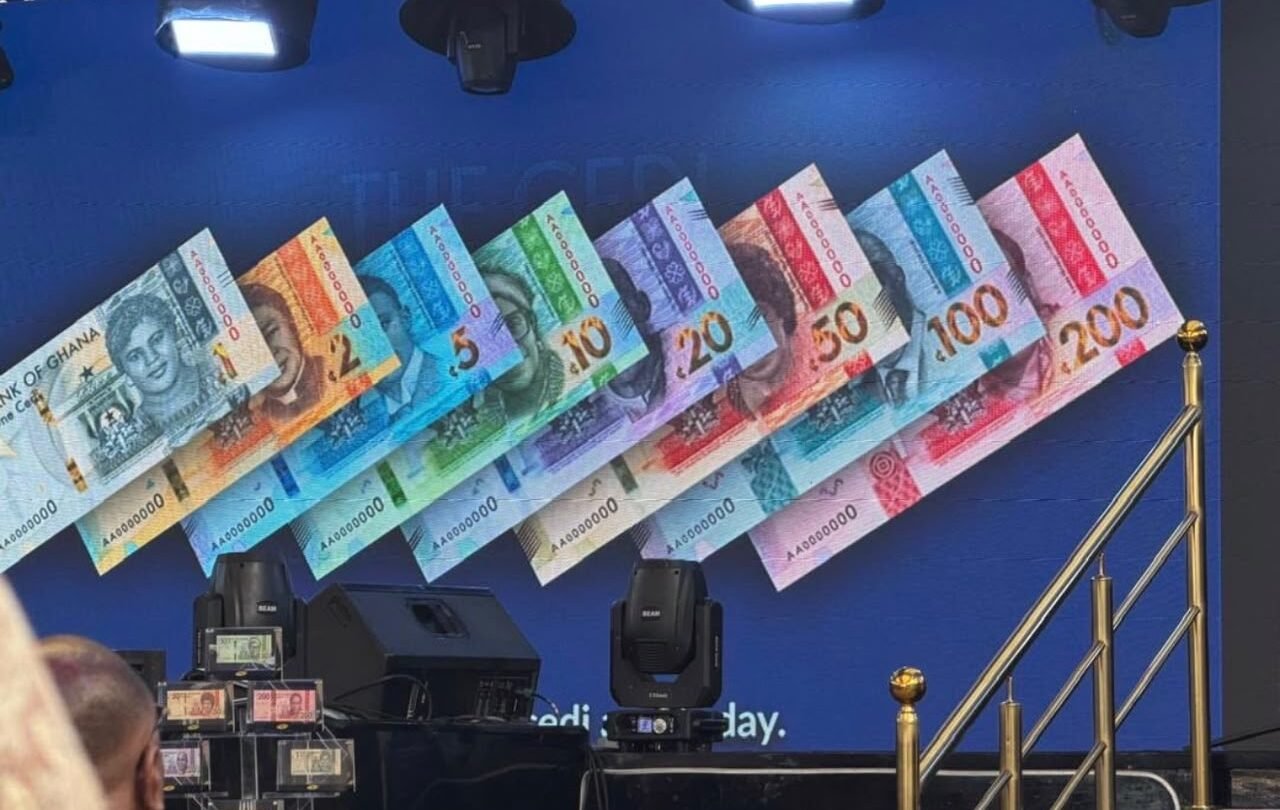
From a Makola Market trader credited with making history in banking to Ghana’s first President, the Bank of Ghana’s new Heritage Series banknotes celebrate eight distinguished Ghanaians whose contributions span commerce, education, religion, music, law, national identity and international diplomacy.
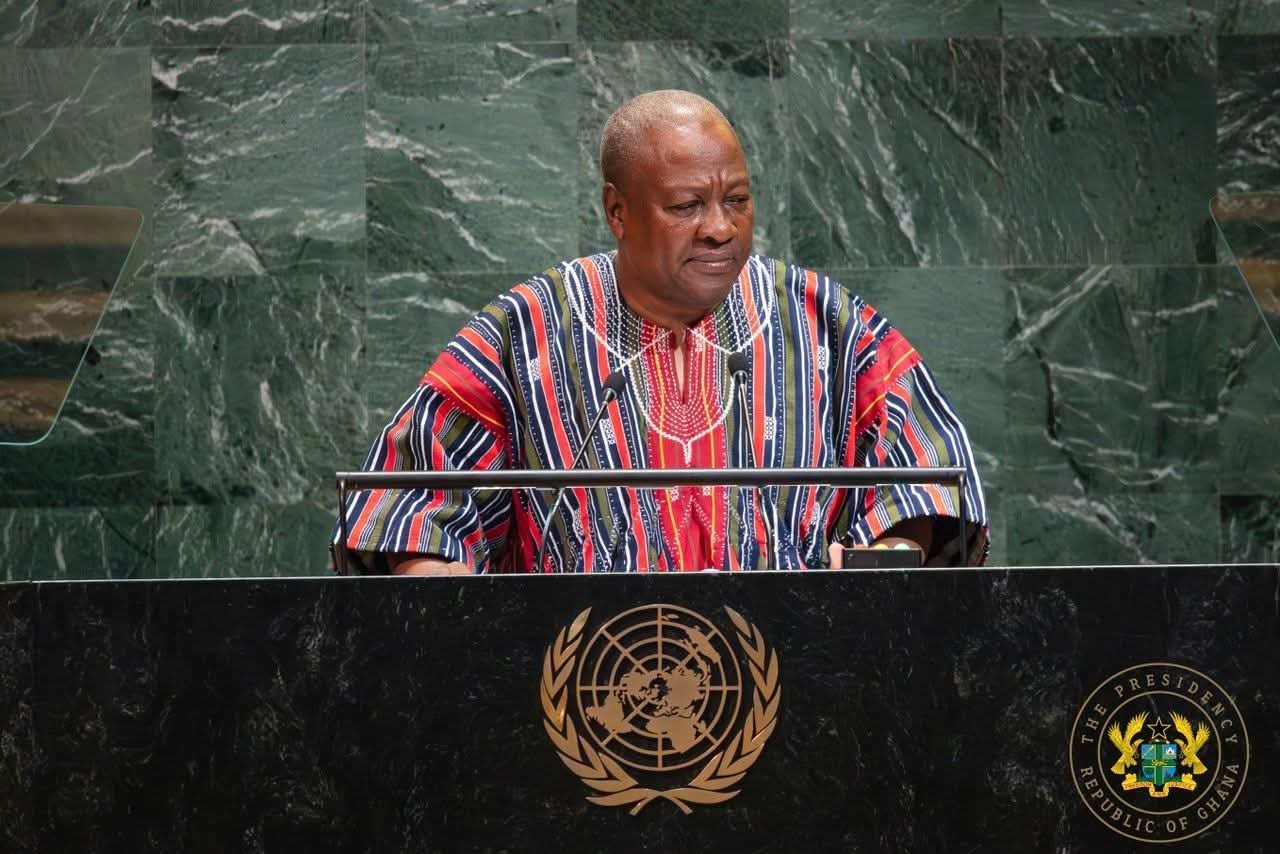
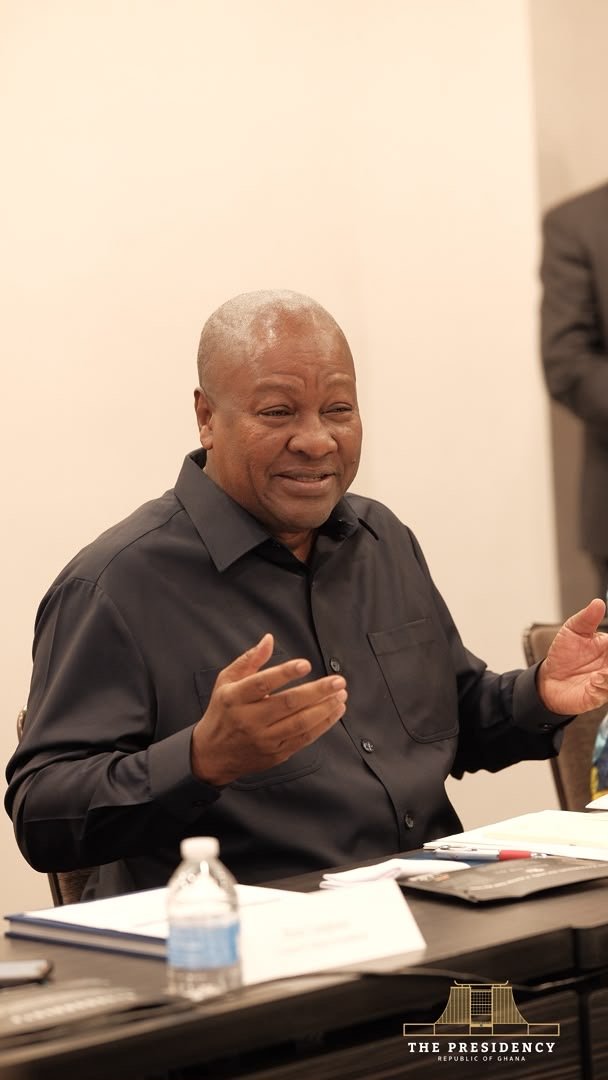
The new banknote series was officially launched by President John Dramani Mahama on Thursday, November 12, 2026, at a ceremony in Accra, bringing together historical figures whose achievements have contributed to Ghana’s social, cultural, political and economic development.
The eight denominations, ranging from GH¢1 to GH¢200, feature prominent personalities from different generations and professional backgrounds, in a move that seeks to recognise their contributions and preserve their legacies for future generations.
Governor of the Bank of Ghana, Dr Johnson Pandit Asiama, has announced that the newly introduced Heritage Series banknotes will enter circulation on December 1, 2026.
Each denomination features a different personality, reflecting the diverse contributions of individuals who have played significant roles in shaping the country’s history.
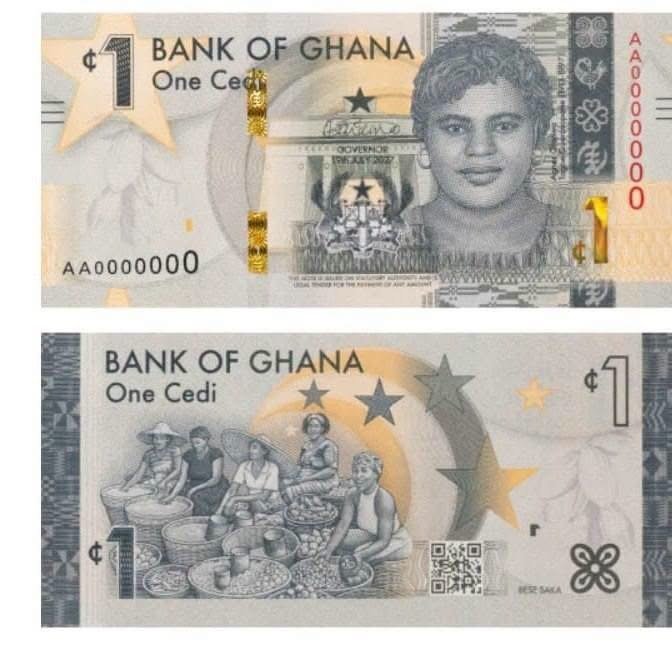
The GH¢1 note features Agnes Oforiwa Tagoe-Quarcoopome, an Accra-based market trader believed to have been the first woman from Makola Market to open a bank account. Her inclusion highlights the contribution of women in commerce and the role of market traders in Ghana’s economic development.
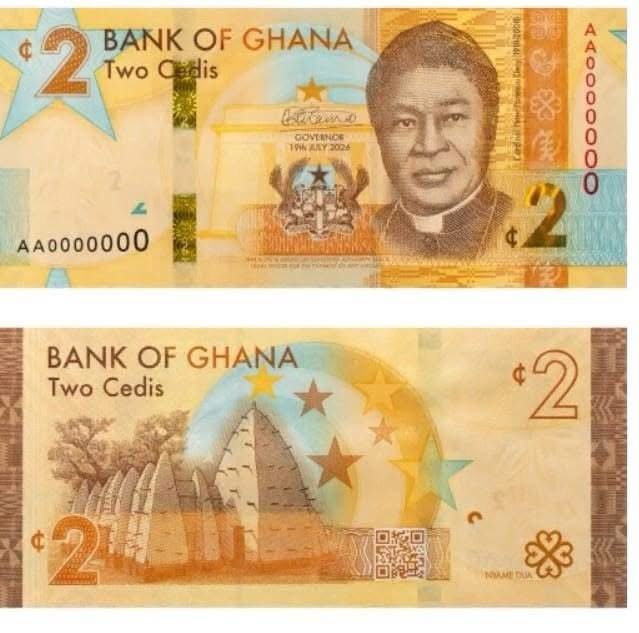
On the GH¢2 note is Cardinal Peter Poreku Dery (1918–2008), a prominent Catholic cleric who served as Archbishop of Tamale and played an influential role in the growth of the Catholic Church in northern Ghana. He was elevated to the College of Cardinals in 2006.
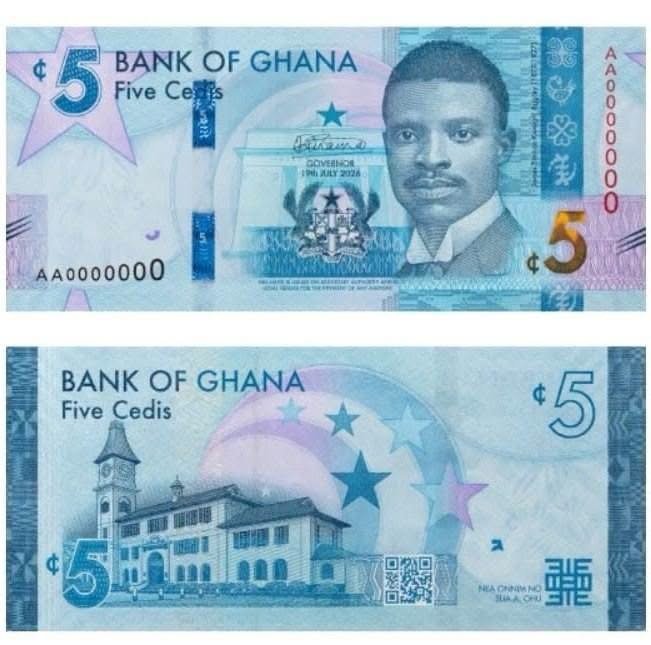
The GH¢5 denomination honours Dr James Emmanuel Kwegyir Aggrey (1875–1927), a pioneering Ghanaian educator whose advocacy for education and intellectual development helped shape formal education in the country. He was associated with the establishment of Achimota School and championed educational opportunities for Africans.
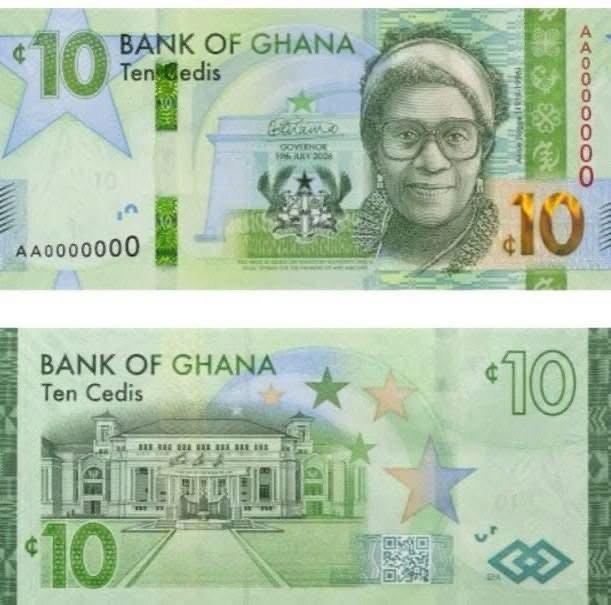
Justice Annie Jiagge (1918–1996), featured on the GH¢10 note, is recognised for her pioneering contributions to the legal profession and women’s rights. She became Ghana’s first female judge and was the first woman to serve as a judge in the Commonwealth. She also played a significant role in the development of the United Nations Declaration on the Elimination of Discrimination against Women.
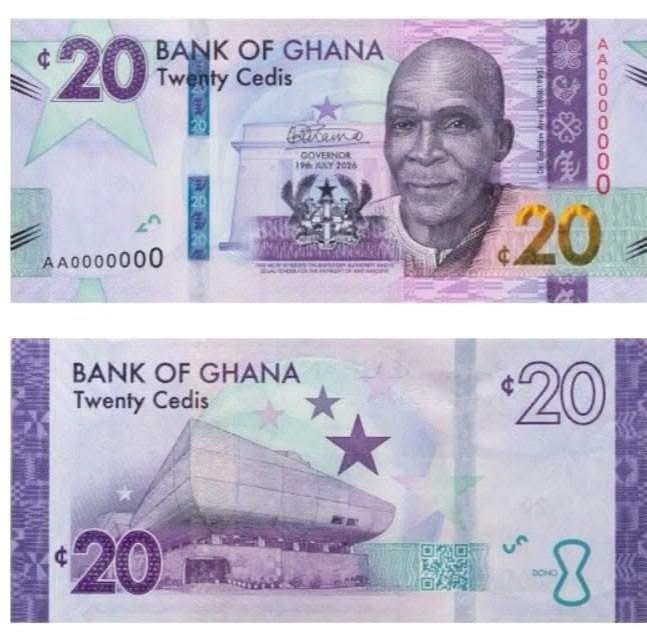
The GH¢20 note features Dr Ephraim Amu (1899–1995), a renowned composer, musician and educator widely regarded as the father of Ghanaian art music. He is best remembered for composing the patriotic song “Yɛn Ara Asaase Ni”, which has become an important part of Ghana’s national identity and cultural heritage.
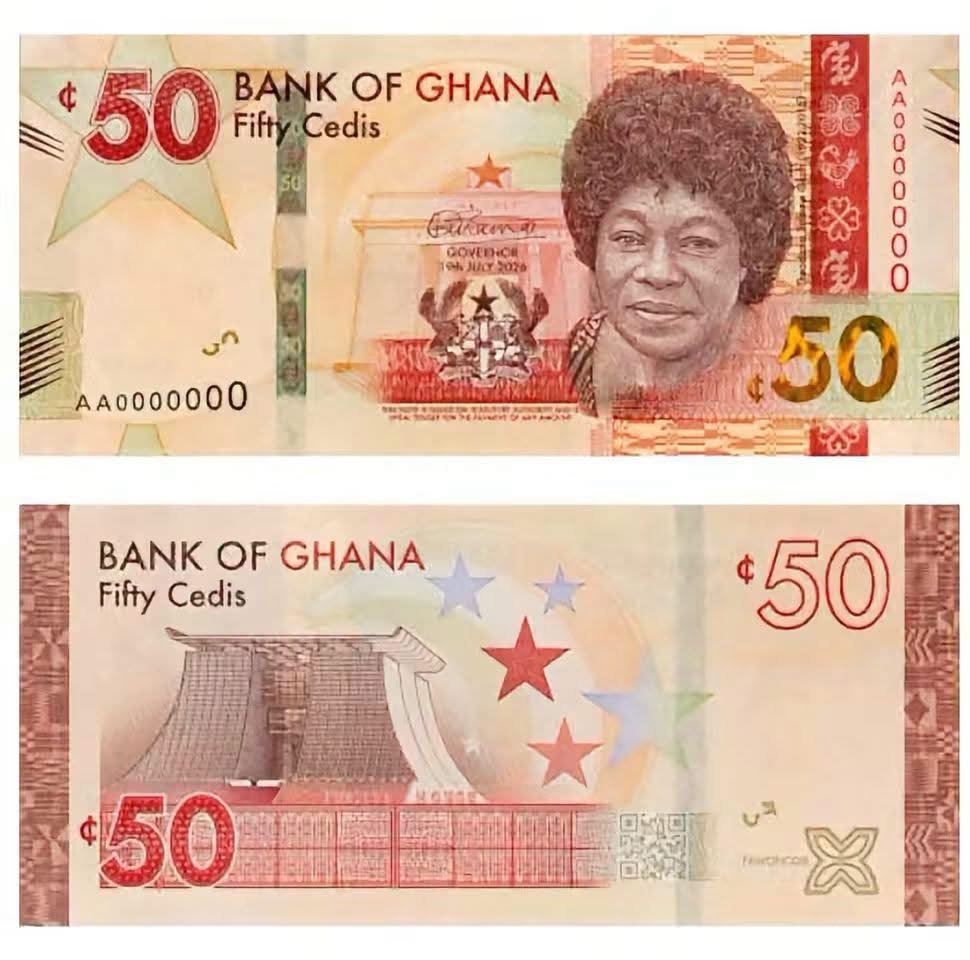
Theodosia Salome Okoh (1922–2015), the designer of Ghana’s national flag, is honoured on the GH¢50 note. An accomplished artist and teacher, she designed the flag following Ghana’s independence in 1957. The national emblem, characterised by its red, gold and green colours and the Black Star, remains one of the country’s most recognisable symbols.
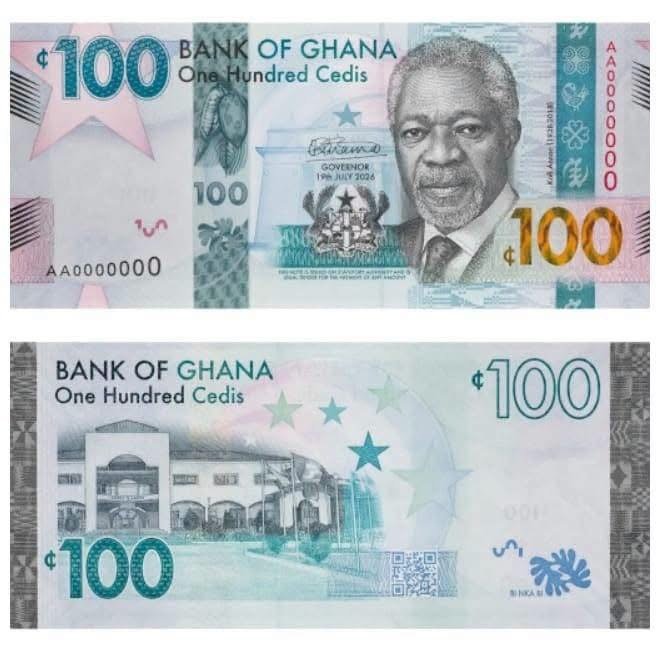
Ghana’s contribution to international diplomacy is represented by Kofi Annan (1938–2018) on the GH¢100 note. kofi Annan served as the seventh Secretary-General of the United Nations from 1997 to 2006 and was jointly awarded the 2001 Nobel Peace Prize with the United Nations for their efforts towards a better organised and more peaceful world.
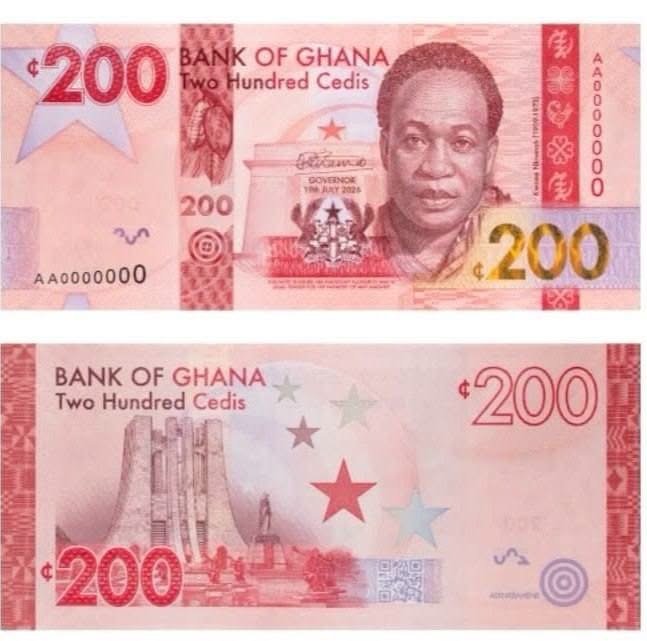
Completing the collection is Ghana’s first President, Dr Kwame Nkrumah (1909–1972), who features on the GH¢200 note. A central figure in the country’s independence struggle, Nkrumah led Ghana to independence from British colonial rule on March 6, 1957, becoming the country’s first Prime Minister before subsequently serving as President.
The selection brings together personalities from different generations and professional backgrounds, highlighting the contributions of individuals whose work has influenced Ghana’s political development, educational system, cultural identity, religious life, legal institutions and international standing.
Beyond their function as a medium of exchange, the Heritage Series banknotes provide an opportunity to recognise important figures in the country’s history and introduce their contributions to younger generations.
With the notes scheduled to enter circulation on December 1, 2026, Ghanaians will soon encounter these historical figures in everyday financial transactions, making the new currency series both a monetary instrument and a representation of the country’s heritage.