COP31: Waste management can support Ghana’s energy transition – Glenn Kwabena Gyimah
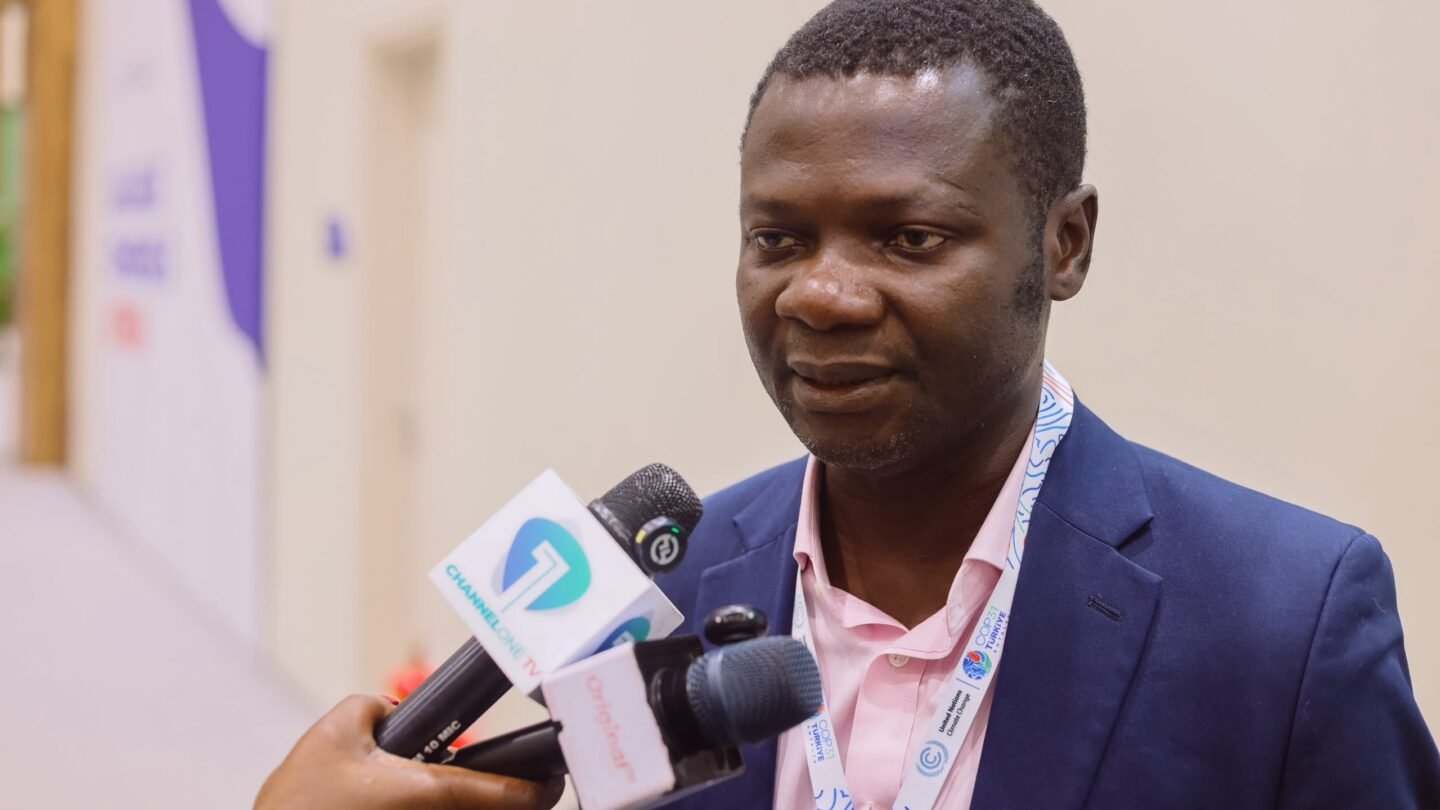
Jospong Green Transition General Manager Glenn Kwabena Gyimah has highlighted waste management as a potential source of cleaner energy and a way to reduce greenhouse gas emissions.
In an interview after the energy security session at the 4th CEEW Leaders’ Dialogue at the UN Climate Change Conference (COP31), Gyimah said countries needed to balance their development needs with efforts to limit their impact on the climate.
“Each country’s development needs are different,” he said. “We must consider those needs and how energy supports them, while making policy choices that minimise our climate footprint.”
The dialogue, titled The New Energy Play: Strategic International Partnerships for National Priorities, brought together participants to discuss energy security and the challenges facing countries as they pursue development and the energy transition.
Gyimah said energy is essential to economic activity and that the transition to cleaner sources raises difficult questions for developing countries, particularly when alternatives are costly and developed economies had industrialised using conventional energy systems.
He pointed to methane generated from waste as an opportunity for the sector to contribute to the transition. With appropriate technology, he said, methane could be captured and converted into cleaner energy for industry, households and cooking.
He added that Jospong’s waste management activities could help generate energy while reducing the climate footprint of communities and industries.
The CEEW Leaders’ Dialogue, held in Antalya’s Blue Zone, featured sessions on water and energy security. The energy session invited speakers to identify key energy challenges for 2030 and 2050 and propose initial steps towards shared solutions.
Gyimah said Jospong intended to contribute to climate action at COP31 and demonstrate Ghana’s commitment to addressing climate change.