SIAO 2026: Ghana proposes bilateral trade and investment pact with Burkina Faso
Ghana has proposed a bilateral trade and investment agreement with Burkina Faso to strengthen cross-border commerce, improve market access and promote local industrialisation between the two countries.
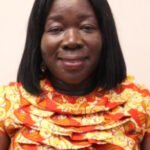
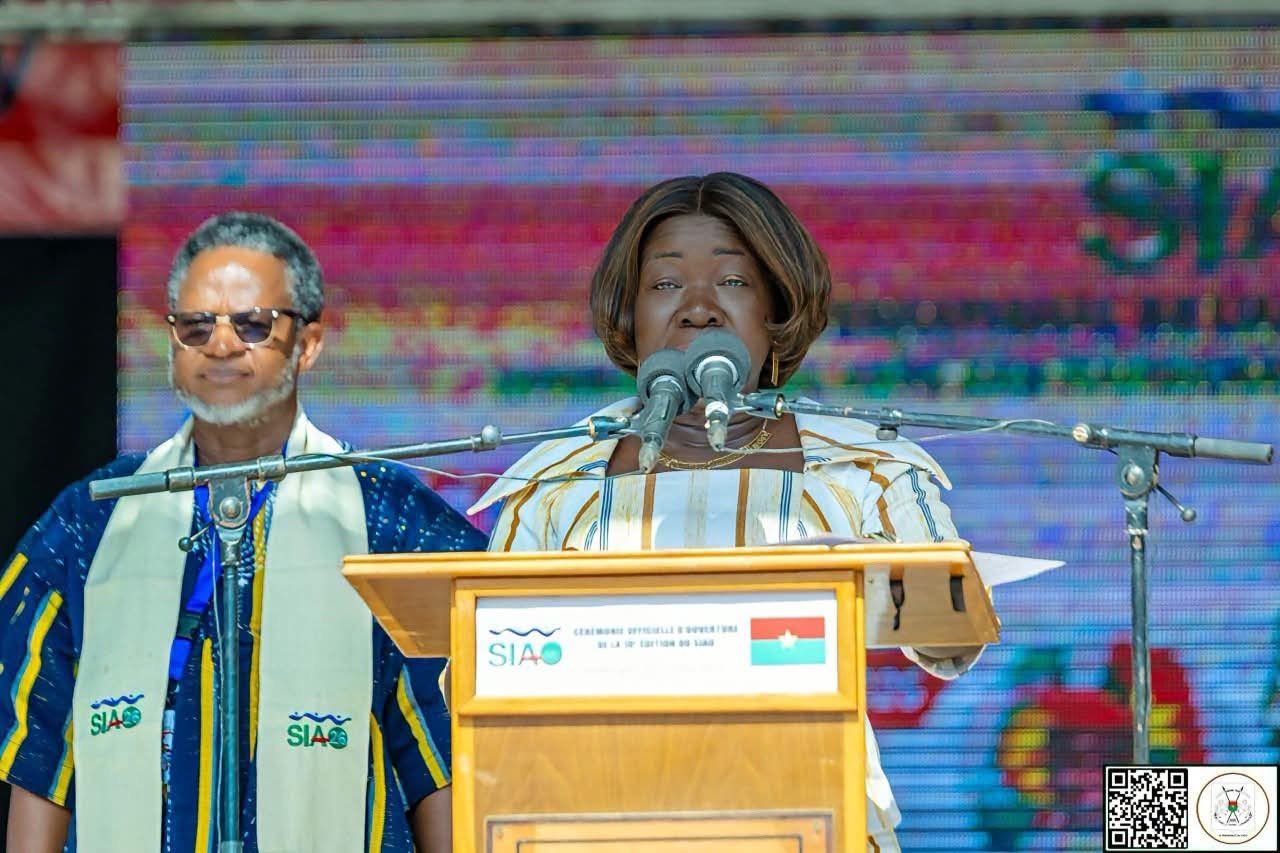
Minister for Trade, Agribusiness and Industry Elizabeth Ofosu-Adjare said the proposed agreement would focus on common trade standards, improved border management and joint initiatives to develop the craft and creative industries.
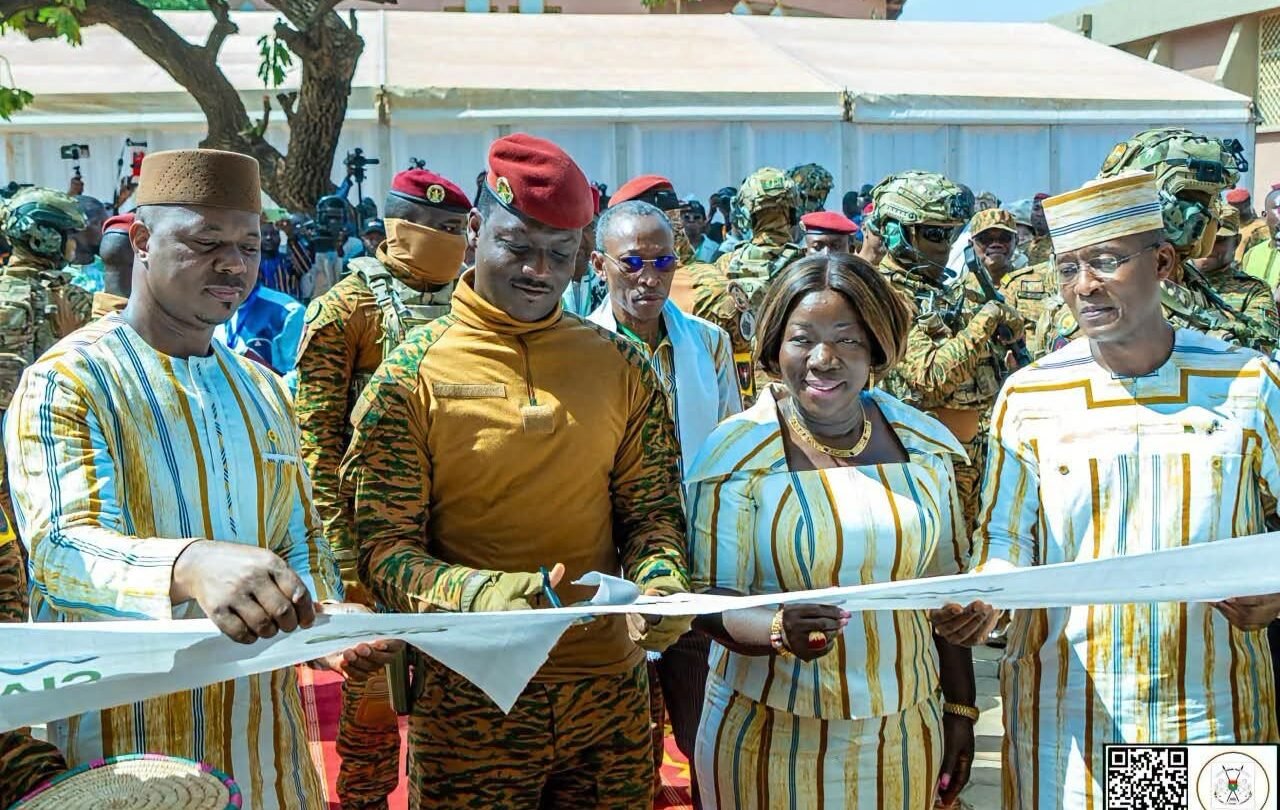
She made the proposal on Friday, October 30, 2026, when she delivered Ghana’s keynote address at the opening ceremony of the 18th International Arts and Crafts Fair of Ouagadougou (SIAO 2026) in Burkina Faso.
Ghana is participating in the fair as Guest of Honour, alongside Mali and Niger, which are the special guest countries for this year’s edition.
Ofosu-Adjare said the agreement should be consistent with the two countries’ commitments under the African Continental Free Trade Area (AfCFTA) and deliver practical benefits for businesses, artisans and traders.
“Ghana stands ready to conclude a bilateral trade and investment agreement with Burkina Faso, designed around synergy rather than competition and consistent with our shared commitments under the African Continental Free Trade Area,” she stated.
She identified common food safety standards, harmonised plant and animal health protocols, and mutual recognition of inspections and certificates as key areas for cooperation to reduce duplication and facilitate the movement of goods across their shared border.
The proposed pact would also strengthen coordination on border management, transit facilitation and corridor security to accelerate trade between Tema and Ouagadougou.
A joint programme for crafts and the creative industries is another component of the proposal. It would connect master artisans, design schools and research institutions in both countries through shared workshops, financing arrangements, reciprocal participation in trade fairs and joint branding of locally produced goods.
According to the minister, formal trade between Ghana and Burkina Faso exceeded US$1 billion in 2025, while informal cross-border trade also plays a significant role in their economic relationship.
She highlighted the contribution of women traders who transport commodities such as onions, tomatoes, cloth and livestock through border communities, including Paga and Hamile.
“The women who cross at Paga and Hamile every week with onions, tomatoes, cloth and livestock are not a footnote to our trade relationship. They are its backbone, and our policies must serve them,” she said.
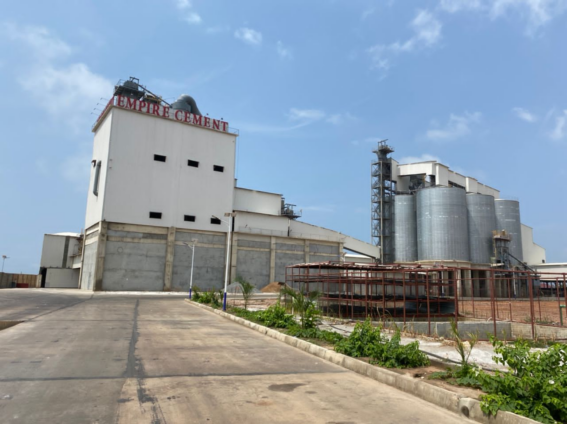
Ofosu-Adjare noted that the two countries had complementary trading profiles, with Ghana supplying Burkina Faso with products including plastics, household goods, iron and steel, fertiliser, cement, ceramics, pharmaceuticals, beverages and packaging materials.
Burkina Faso, in turn, supplies Ghana with livestock, onions, tomatoes, sesame, shea, mangoes and other fruits.
Beyond conventional trade, the minister called for joint ventures to process shea, cotton and leather within the sub-region instead of exporting them as raw materials and importing finished products.
She also proposed stronger cooperation in the tomato and onion value chains, including the exchange of knowledge on irrigation and seeds.
The minister said Ghana had brought a delegation of government officials, artisans and businesses from all 16 regions to showcase the country’s cultural heritage and creative products at the fair.
The exhibits include Kente from the Volta and Ashanti regions, Adinkra cloth, northern smocks known as fugu, Bolgatanga baskets, beads, leather products, pottery, wood carvings, shea products and contemporary fashion.
She urged visitors to patronise the Ghana Village and engage directly with the artisans and businesses exhibiting their products.
Ofosu-Adjare also announced that Ghana Day would be celebrated on Tuesday, November 3, as part of the fair’s activities.
She linked the development of the handicrafts sector to broader opportunities for employment, industrialisation and economic growth, particularly for young people and vulnerable groups.
“The global handicrafts market was valued at about US$740 billion in 2024 and is projected to approach US$1 trillion by 2030,” she said, citing figures presented in her address.
She added that estimates from UNESCO and Afreximbank indicated that Africa’s creative and cultural industries could generate about US$20 billion in annual revenue and support more than 20 million jobs with sufficient investment and appropriate policy support.
The minister argued that achieving these gains would require stronger collaboration among businesses, research institutions, financial institutions and regulators to help transform traditional crafts into competitive products for international markets.
“Africa has always been a continent of makers. What has been missing is the architecture that carries a craft from the workshop to the factory floor and onto the shelves of the world,” she said.
The 18th edition of SIAO is expected to attract more than 6,000 exhibitors from approximately 30 countries and close to 800,000 visitors, according to the minister’s address.
The fair traces its origins to “Artisanat 84”, an initiative organised in 1984 under the leadership of former Burkina Faso President Thomas Sankara. It developed into the International Arts and Crafts Fair of Ouagadougou in 1988.
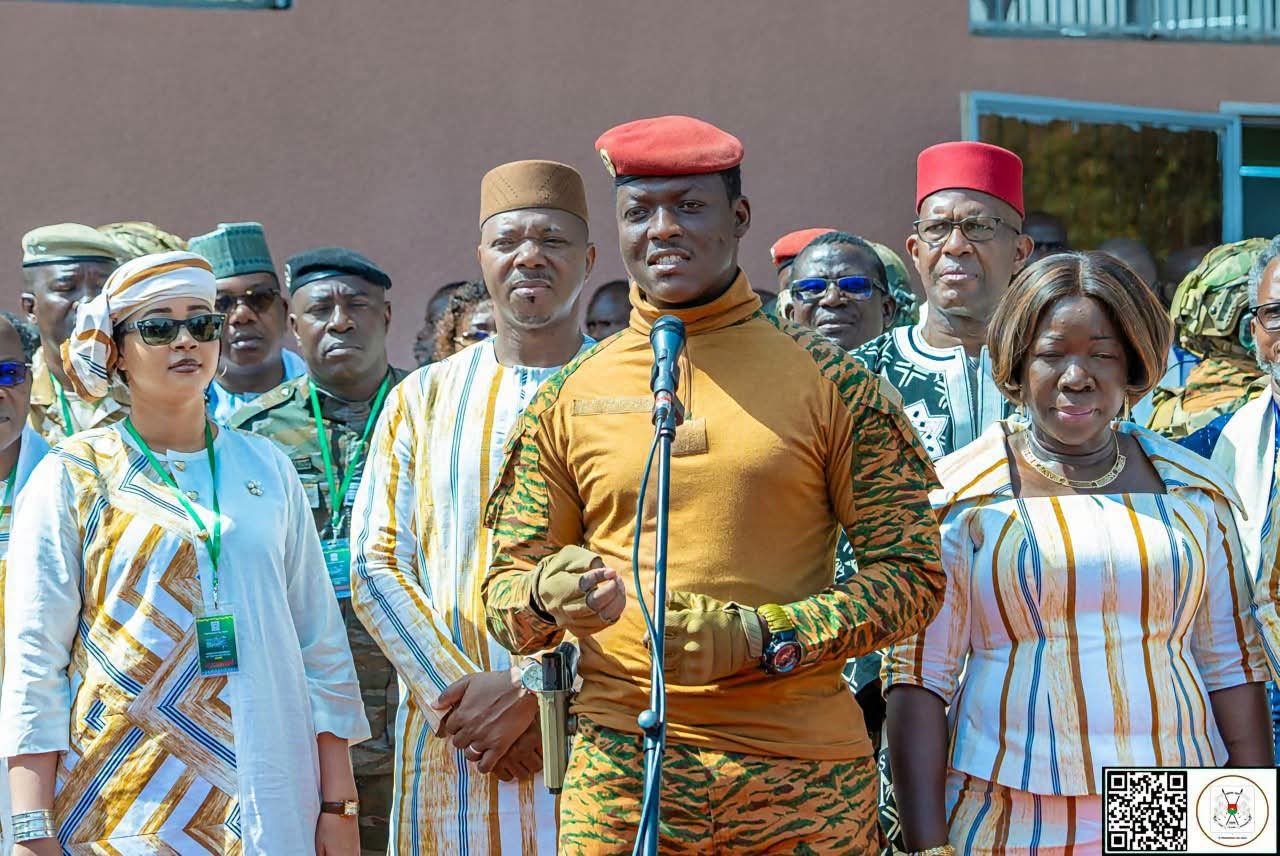
Ofosu-Adjare conveyed the greetings of President John Dramani Mahama to the government and people of Burkina Faso and expressed Ghana’s appreciation for the invitation to participate as Guest of Honour.
She also recalled Burkina Faso President Ibrahim Traoré’s attendance at Mahama’s inauguration in Accra in January 2025, describing the occasion as a reflection of the longstanding friendship between the two countries.
The minister said Ghana’s participation in SIAO 2026 offered an opportunity to deepen that relationship through trade, investment, cultural exchange and stronger cooperation among businesses and artisans.