TOR revival helped shield Ghana from Iran conflict fuel shocks – MD
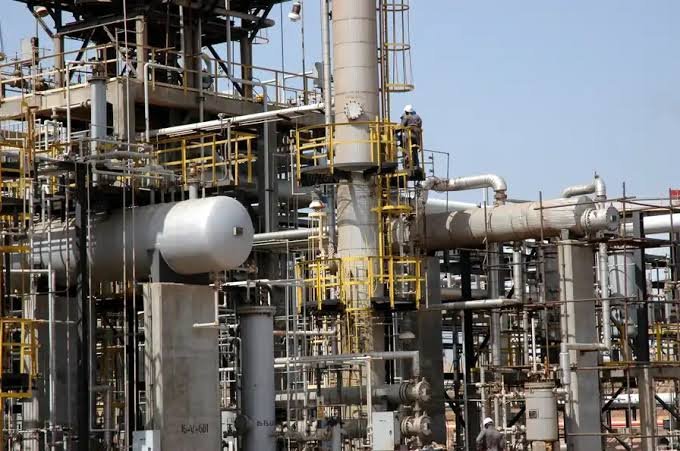
The Managing Director of the Tema Oil Refinery (TOR), Edmond Kombat, says the restoration of refining operations has helped strengthen Ghana’s resilience against international disruptions to petroleum supplies, including those associated with the Iran conflict.
He said the refinery’s revival underscored the importance of maintaining domestic processing capacity at a time when geopolitical tensions could affect the availability and cost of imported petroleum products.
Speaking at the Government Accountability Series at Jubilee House on Monday, October 26, 2026, Mr Kombat recalled President John Dramani Mahama’s remarks during the commissioning of TOR’s refurbished Crude Distillation Unit on August 1, 2026.
“On August 1, 2026, H.E. the President noted that, because of the role played by TOR, Ghanaians were largely spared the effects of the Iran conflict on fuel supply,” he said.
“This is why local refining capacity matters when international supplies are disrupted,” he added.
Mr Kombat explained that TOR’s recovery was intended not only to restore an important state-owned enterprise but also to improve Ghana’s ability to process crude oil locally and support the domestic supply of petroleum products.
The refinery’s Crude Distillation Unit had been out of operation since April 2021, while the Residue Fluid Catalytic Cracking unit had been shut down since 2019.
The shutdowns significantly limited TOR’s capacity to process crude oil, leaving it largely dependent on storage-related activities rather than its core refining function.
Following the current management’s appointment in May 2025, a turnaround maintenance programme was undertaken to rehabilitate the CDU and prepare it for a safe restart.
Crude processing resumed on December 19, 2025, after the National Petroleum Authority inspected the plant and cleared it to restart operations.
Mr Kombat said TOR had since received several crude cargoes, including Ghanaian indigenous crude from the Jubilee and Sankofa fields.
He said the refinery’s nameplate capacity of 45,000 barrels per stream day would be equivalent to approximately 35 per cent of the 128,000 barrels of clean petroleum products Ghana imported daily in 2025.
He noted that domestic refining could reduce the volume of finished petroleum products the country needs to import, while careful scheduling of crude deliveries could help maintain adequate stocks.
Mr Kombat also highlighted the role of partnerships with the Ghana Oil Company Limited (GOIL), the National Petroleum Authority and the Bulk Oil Storage and Transportation Company Limited in strengthening petroleum supply arrangements.
He said TOR’s recovery would continue to focus on restoring operational capacity, improving the reliability of crude supplies and supporting greater resilience in Ghana’s petroleum market.