

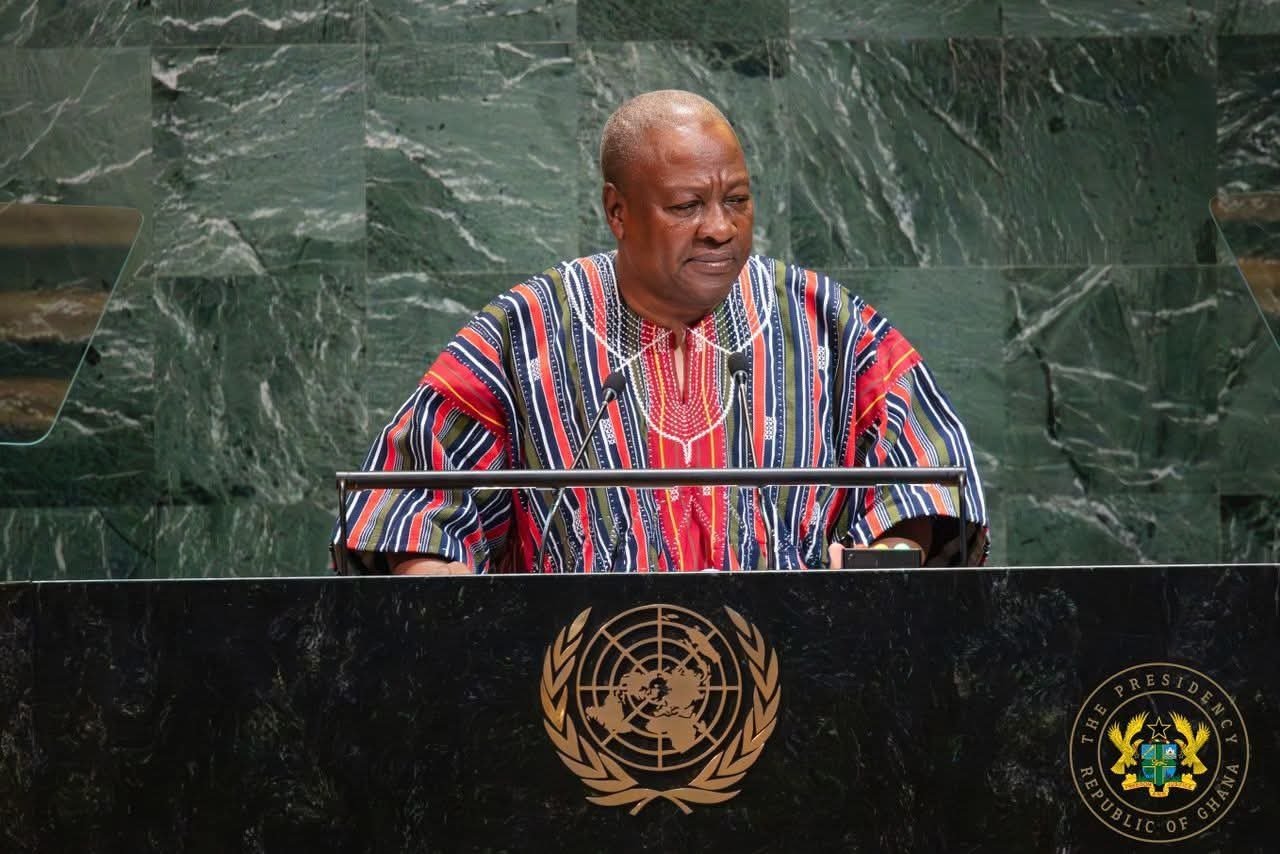
The United States, Israel, and Argentina were the only three countries that voted against Ghana’s landmark UN resolution recognising the transatlantic slave trade as the gravest crime against humanity.
The resolution passed overwhelmingly in the UN General Assembly with 123 votes in favour and 52 abstentions.
Ghana led the push for the resolution, which formally declares the trafficking of enslaved Africans and their racialised chattel enslavement as history’s gravest crime against humanity, citing its immense scale, legalised brutality, and lasting socio-economic impacts on Africa and the Diaspora.
President John Dramani Mahama and Foreign Minister Samuel Okudzeto Ablakwa had rallied support from the African Union, CARICOM, and other partners, framing the move as essential for historical accountability and reparatory justice.
While the vast majority of UN member states supported or abstained, the negative votes by the US, Israel, and Argentina stand out. The United States and several European nations have historically resisted formal reparations discussions, arguing that present-day governments and institutions should not be held accountable for historical wrongs.
Despite the three opposing votes, Ghanaian officials have described the adoption as a resounding success and a moral victory that places the issue of reparations firmly on the global agenda.
The resolution encourages countries historically involved in the slave trade to engage in processes of apology, recognition, and restorative justice.