

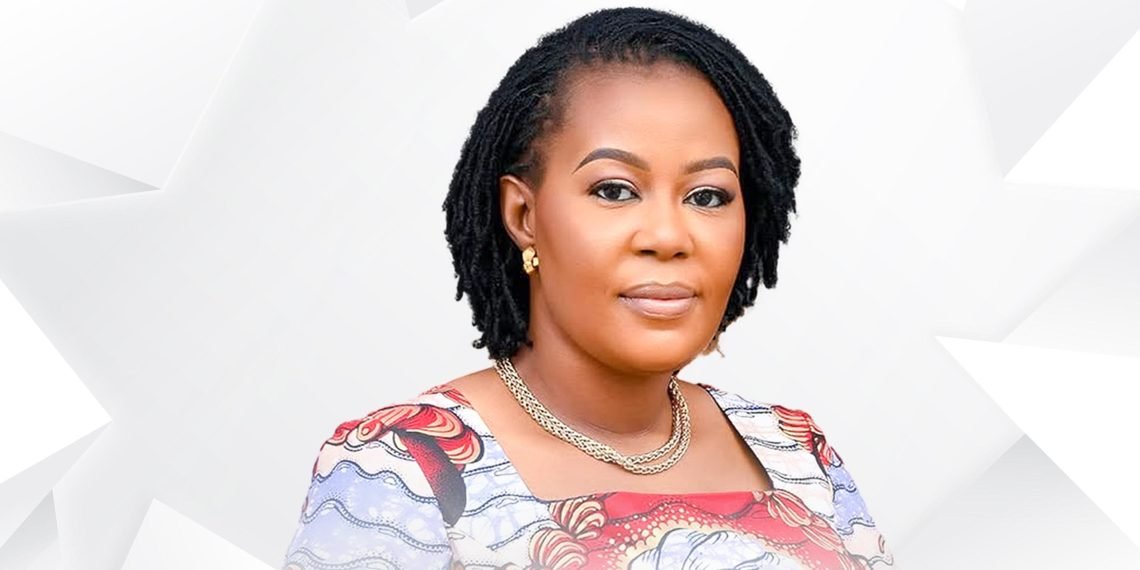
The Member of Parliament for Ablekuma North, Ewurabena Aubynn, has called on Parliament and the nation to address cancer as a critical national development issue rather than solely a health concern, emphasising its impact on productivity, economic growth, and social stability.
In a statement delivered during parliamentary proceedings on Wednesday, February 4, 2026, to mark World Cancer Day under the global theme “United by Unique”, the MP highlighted that the theme underscores the human element behind cancer statistics, affecting individuals, families, and communities.
She noted that cancer has become a growing public health challenge in Ghana, with over 24,000 new cases recorded annually. The most prevalent types include breast, cervical, prostate, liver, and colorectal cancers, many of which are diagnosed at advanced stages due to limited access to early screening, affordability issues, cultural beliefs, fear, misinformation, and stigma.
Ewurabena Aubynn pointed out that in Ablekuma North and across the country, families face severe emotional and financial burdens from the disease, which often impoverishes households and strains the health system. She commended progress made by the Ministry of Health and Ghana Health Service, including expanded screening programmes for breast and cervical cancer, the establishment of oncology centres at major teaching hospitals such as Korle Bu, Komfo Anokye, and Tamale, and public education efforts.
However, she stressed that financing remains the biggest barrier, as treatment costs for chemotherapy, radiotherapy, surgery, and supportive care exceed the reach of most Ghanaians. While the National Health Insurance Scheme provides some coverage, it falls short for many cancer-related services, often rendering the disease a “death sentence for the poor”.
The MP praised President John Dramani Mahama and the government for launching the Ghana Medical Trust Fund, known as MahamaCares, which provides financial support for chronic and life-threatening conditions like cancer. She described it as a compassionate intervention ensuring healthcare access as a right, not a privilege, and urged Parliament to support the Fund through adequate funding, oversight, and transparency.
Ewuabena Aubynn advocated greater investment in prevention, where up to 40 per cent of cancers can be avoided through lifestyle changes, vaccinations, and education, and called for decentralisation of services to reduce travel burdens for patients from remote regions.
She concluded by urging unity among government, Parliament, civil society, the private sector, health professionals, media, and citizens to make World Cancer Day transformative, ensuring no Ghanaian dies due to poverty and that initiatives like MahamaCares endure as a cornerstone of the health system.