Bekwai MP questions necessity of 24-Hour Economy Authority, demands govt focus on cocoa sector
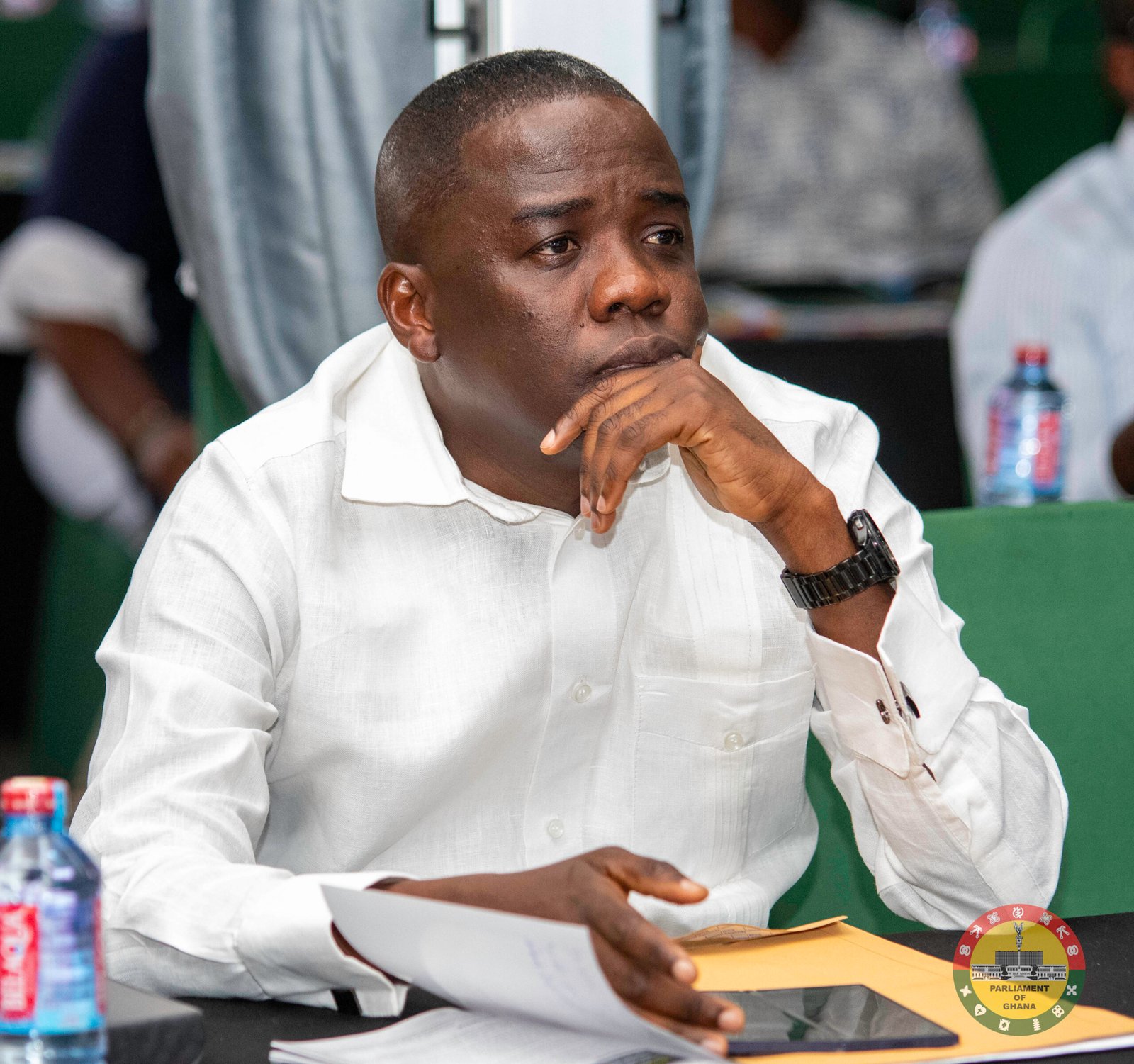
The Member of Parliament for Bekwai in the Ashanti Region, Ralph Poku Adusei, has criticised the government’s plan to establish a 24-Hour Economy Authority, describing it as unnecessary and a potential misuse of scarce public resources.
In an interview on Amansie 91.7 FM, the lawmaker argued that the national debate should shift away from the concept of a 24-hour economy itself and focus instead on whether a new dedicated authority based in Accra is needed to drive its implementation.
According to Mr Adusei, Ghana can achieve a functioning 24-hour economy by strengthening existing institutions and improving operational systems across various sectors, rather than creating an additional bureaucratic layer. He pointed to agencies such as the Passport Office and the Driver and Vehicle Licensing Authority (DVLA), which already operate around the clock, not because of a special authority but through increased staffing and better management.
The Bekwai MP emphasised that government should prioritise reinforcing current institutions and expanding job opportunities for the country’s youth. He warned that the proposed authority risks creating role conflicts, overlapping responsibilities, and confusion, particularly given what he described as its unclear mandate.
He questioned whether the new body would possess the legal authority or practical capacity to compel private companies and institutions to adopt round-the-clock operations, suggesting it could simply become another ineffective bureaucratic structure with limited real impact.
“Ghana can naturally become a 24-hour economy if we manage the country properly,” Mr Adusei stated.
The MP also raised concerns about the governance structure of the proposed authority, which includes a Chief Executive Officer and a five-member board appointed by the President. He expressed doubts about whether such appointments would be based purely on expertise, especially since the 24-hour economy concept remains relatively new in the Ghanaian context.
Mr Adusei further called on Parliament to transcend partisan divisions when dealing with major national policies. He urged lawmakers from both sides of the House to collaborate and contribute ideas to ensure the initiative is supported by robust systems, reliable infrastructure, operational efficiency, and genuine job creation rather than political point-scoring.
The lawmaker highlighted specific provisions in the bill that he believes could lead to misuse of sensitive information. He drew attention to clauses allowing the use of information “without authorisation” and warned that such language might encourage abuse and erode accountability. “In my view, I don’t think anybody should have the authorisation to use the information he or she has acquired to the detriment of the authority,” he said, urging Parliament to amend the clause and introduce stronger legal safeguards.
Mr Adusei reiterated that without a clearly defined mandate, the authority could prove ineffective, leading to inefficiencies, governance challenges, and potential conflicts of interest that undermine the very goals it is intended to achieve.
Despite these criticisms, Parliament passed the 24-Hour Economy Authority Bill on Friday, 6 February 2026, following several days of debate between the Majority and Minority caucuses.
The legislation, which was laid before the House in late 2025, establishes a national body tasked with coordinating the rollout of Ghana’s 24-hour economy policy across public and private sectors. The authority will be responsible for aligning government agencies and businesses, mobilising investment, and ensuring that regulatory frameworks and infrastructure support continuous economic activity.
The bill forms a central component of President John Dramani Mahama’s flagship economic programme, formally launched on 2 July 2025 alongside the Accelerated Export Development Programme. The President has described the 24-Hour Plus initiative as a transformative strategy to boost productivity, generate employment, and reposition Ghana as a competitive, value-adding industrial economy rather than a mere exporter of raw materials.
The policy is structured around eight thematic sub-programmes: GROW24 (agriculture and food security), MAKE24 (manufacturing), BUILD24 (infrastructure), SHOW24 (tourism and creative arts), CONNECT24 (logistics and digital systems), FUND24 (financing), and ASPIRE24 (skills development and ethics).
While government insists that the new authority is essential for effective coordination and delivery of these objectives, critics including the Bekwai MP maintain that Parliament must insist on clearer responsibilities, stronger accountability mechanisms, and genuine bipartisan input to prevent the body from becoming yet another layer of bureaucracy with limited tangible benefits.