UTAG gives govt 14 days to fire GTEC leadership

The University Teachers Association of Ghana (UTAG) has issued a 14-day ultimatum to the government, demanding the removal of the Director-General of the Ghana Tertiary Education Commission (GTEC), Prof. Ahmed Jinapor Abdulai, and his deputy, Prof. Augustine Ocloo.
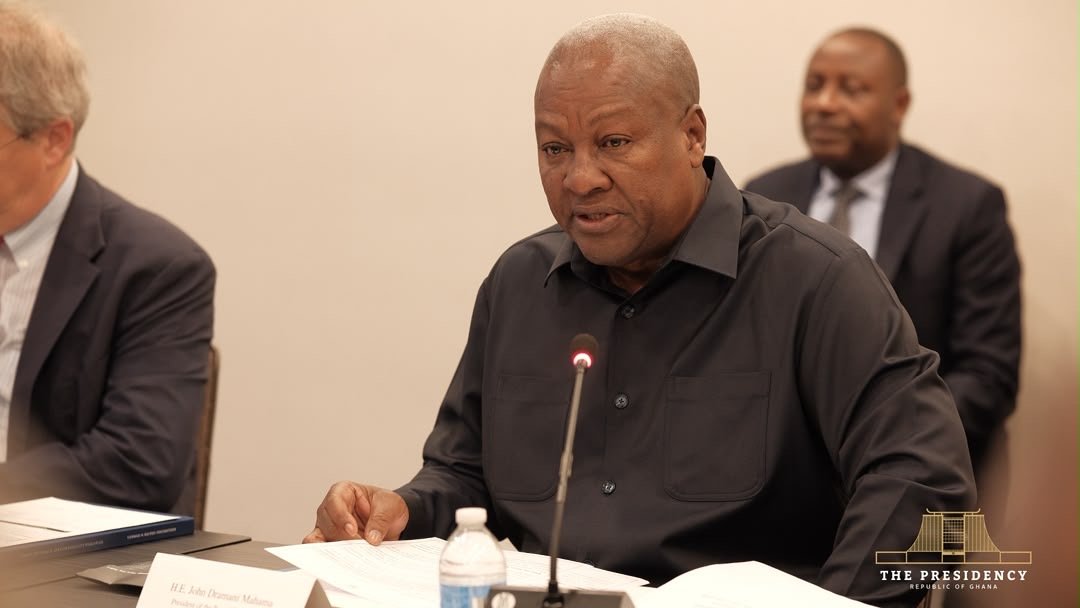
In a petition to President John Dramani Mahama, the association accused the GTEC leadership of regulatory overreach, issuing unilateral directives, and adopting a coercive administrative style that has eroded confidence in the tertiary education sector.
Addressing a press briefing in Accra on Monday, UTAG National President Prof. Vera Ogeh Fiador called for the immediate withdrawal of two controversial GTEC circulars dated September 30, 2025, and October 1, 2025, which disaccredited some tertiary institutions.
“UTAG respectfully calls on the President for the following reliefs: The Director-General and Deputy Director-General of GTEC must be relieved of their current roles in order to restore confidence in the tertiary education sector and reset the regulatory posture,” she stated.
Prof. Fiador further demanded that government urgently operationalise the Education Regulatory Bodies Act, 2020 (Act 1023) through a clear and unambiguous Legislative Instrument (LI). This should include mandatory consultative rule-making, clear limits on interference in the internal governance of institutions, and a transparent appeals mechanism against regulatory decisions.
She added that the two GTEC circulars should be withdrawn with immediate effect and subjected to structured stakeholder consultation and harmonisation with existing legal frameworks and negotiated Conditions of Service.
President of the University of Ghana chapter of UTAG, Dr Jerry Joe Harrison, warned that failure to meet the demands could force the association to take drastic measures.
“We have several tools at our disposal, including withdrawing all services that we render to GTEC. Of course, to the extreme, industrial disharmony can be activated because if members of UTAG are not happy doing the jobs they are supposed to do, there is no point remaining in the classroom,” he said.
Dr Harrison noted that the issue directly affects lecturers and the students they teach, adding that the association remains open to dialogue but is prepared to activate industrial action if necessary.