

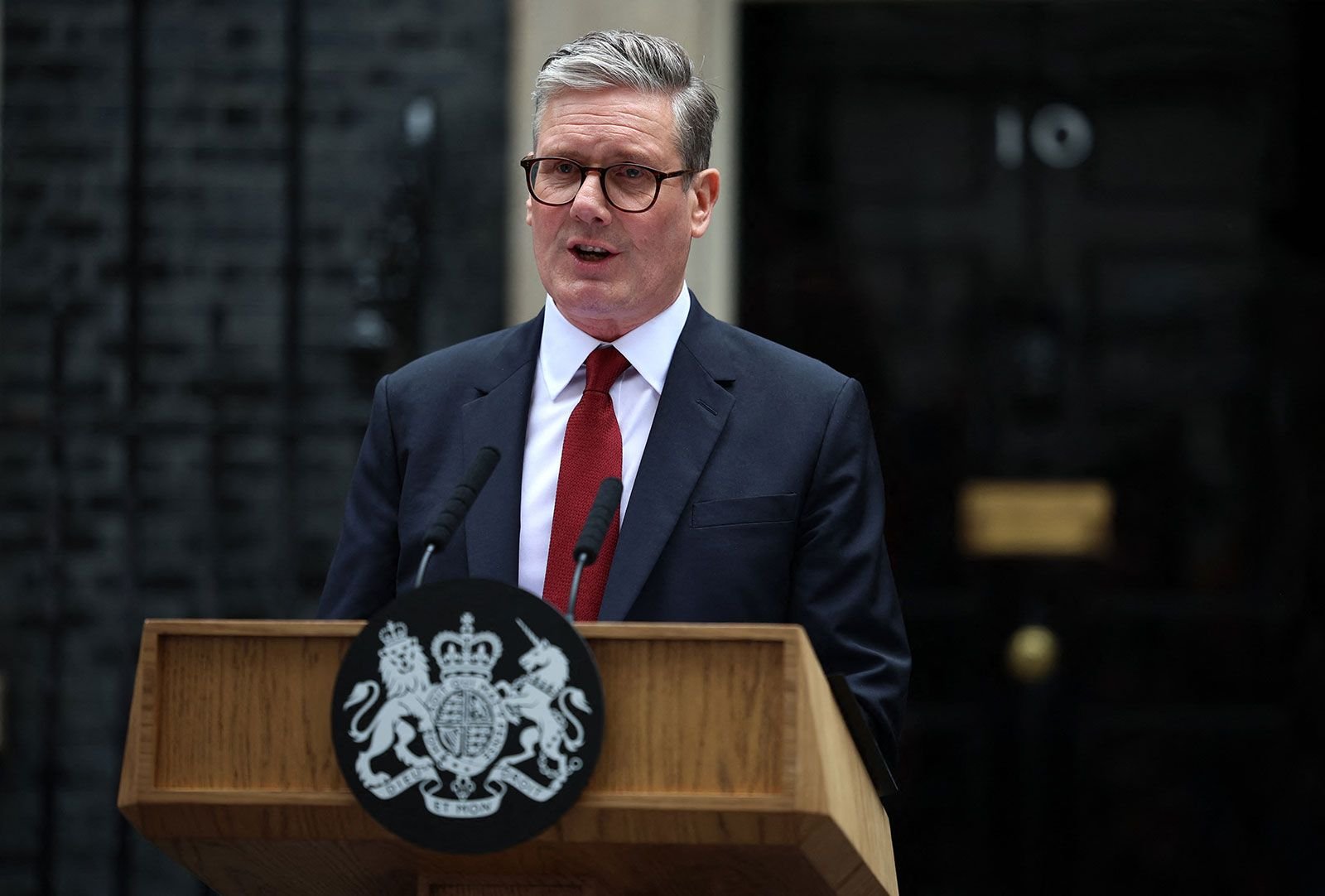
The United Kingdom has announced a nationwide ban on social media use for children under the age of 16 in what is being described as one of the most far-reaching online safety measures introduced by any major economy.
British Prime Minister Sir Keir Starmer announced the policy on Monday, June 15, 2026, saying the government was taking decisive action to protect young people from the harmful effects of social media and online interactions.
Under the new rules, children under 16 will be prohibited from accessing major social media platforms, including TikTok, Instagram, Snapchat, Facebook, X and YouTube. The measures are expected to be backed by legislation later this year, with enforcement set to begin next year.
The UK government said the decision followed extensive public consultations and growing concerns about the impact of social media on children’s mental health, wellbeing and safety online.
Officials argue that the restrictions will help reduce exposure to cyberbullying, harmful content, online predators and addictive platform features that have been linked to anxiety and other mental health challenges among young people.
The reforms go beyond a simple social media ban. The government is also introducing restrictions on children’s ability to interact with strangers through gaming platforms and will place tighter controls on certain online features considered harmful to minors.
Prime Minister Starmer said the move was intended to support parents and give children a safer environment in which to grow and develop.
The announcement follows months of debate in the UK over how best to protect children online. Earlier this year, the government launched a consultation on possible restrictions for under-16s, receiving more than 100,000 responses from the public. Reports indicate that a significant majority of parents supported raising the minimum age for social media access to 16.
The decision mirrors similar efforts in Australia and reflects a growing international push for stricter regulation of children’s online activities.
However, the policy has also attracted criticism from some technology companies, digital rights advocates and experts, who have raised concerns about enforcement, privacy implications and the possibility of young people bypassing restrictions through alternative platforms or virtual private networks (VPNs).
Despite the concerns, the UK government insists the measures are necessary to address what it describes as a growing threat to children’s safety and wellbeing in the digital age.