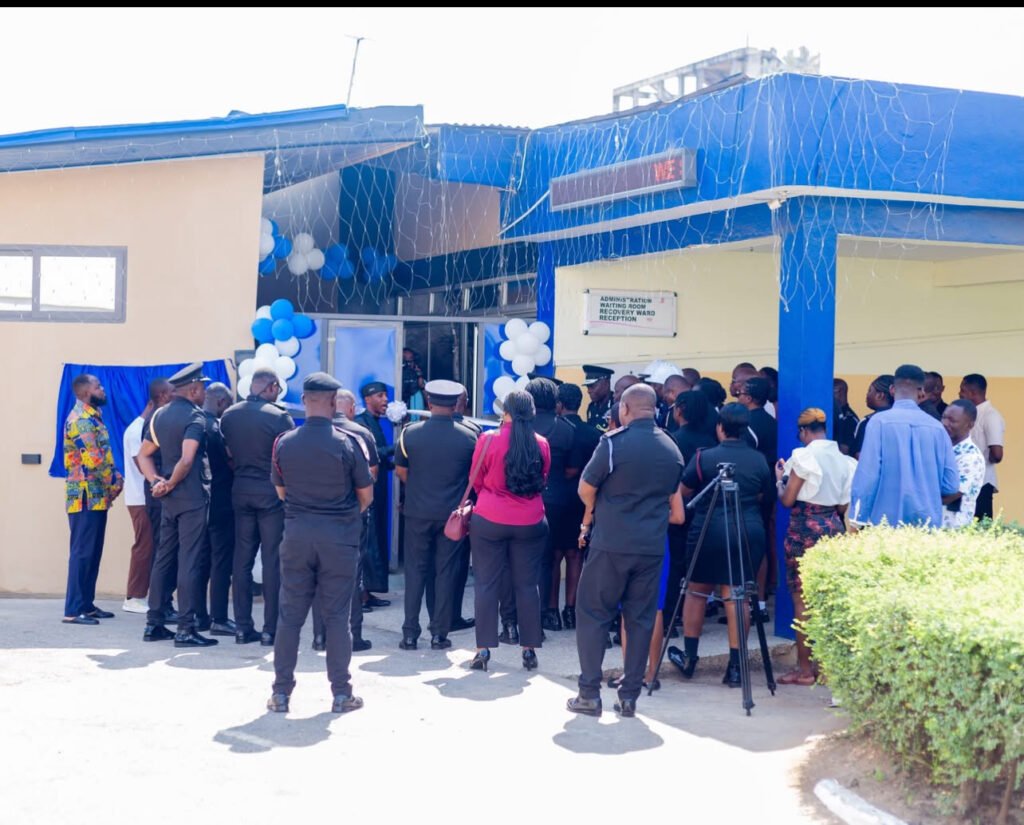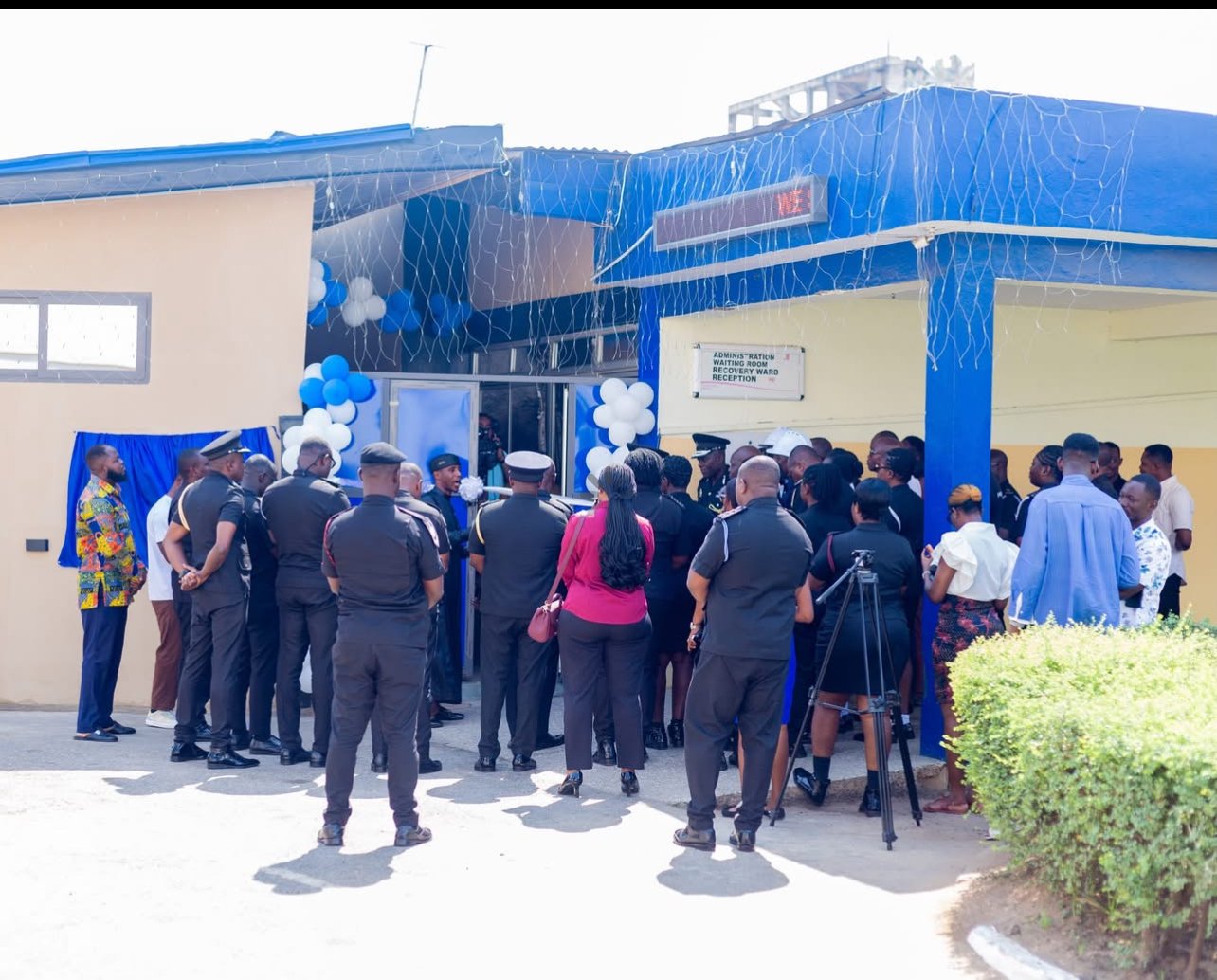
Businessman and philanthropist Alhaji Seidu Agongo has constructed and handed over an eight-bed facility to the Ghana Police Hospital to provide dedicated care for vulnerable individuals brought to the hospital without identifiable relatives, otherwise known as “unknown patients”.
The facility was inaugurated on Tuesday, December 30, 2025, in response to an appeal by the Ghana Police Service for support in managing the growing burden of caring for these patients, who are often destitute, mentally ill, or victims of road accidents.
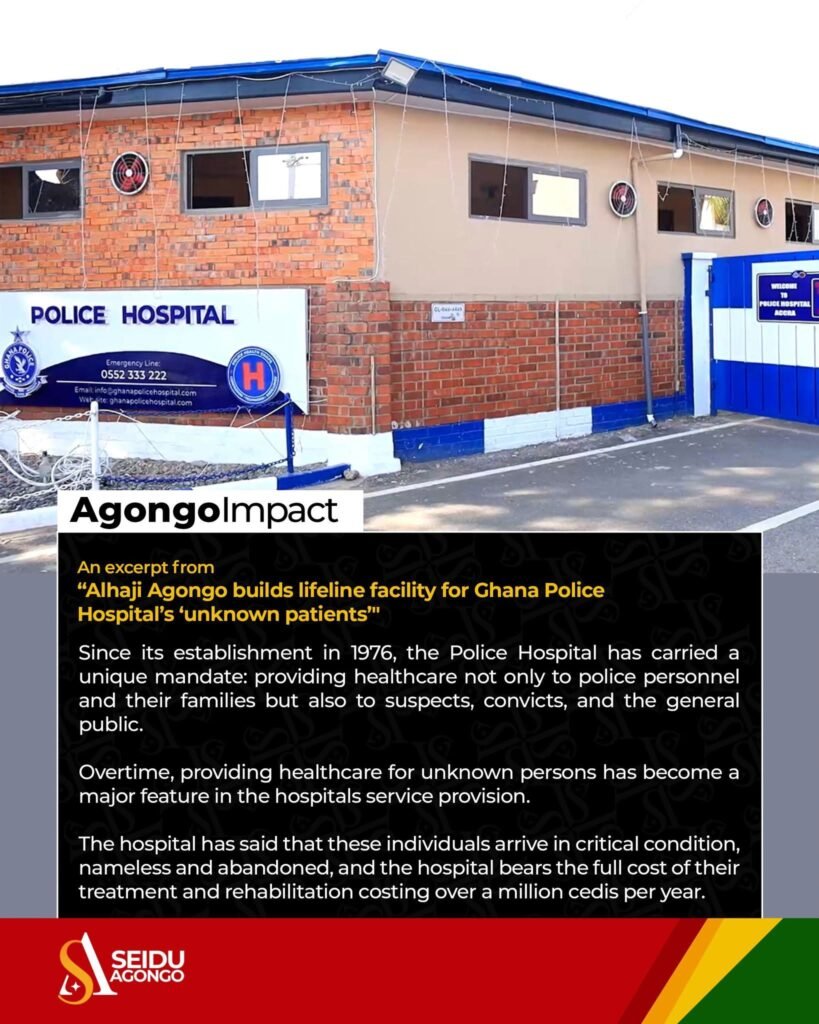
Established in 1976, the Ghana Police Hospital has a mandate to provide healthcare not only to police personnel and their families but also to suspects, convicts, and the general public. Over the years, treating and rehabilitating unknown patients has become a significant part of its operations.
Hospital authorities indicate that these patients often arrive in critical condition, nameless and abandoned, with the facility bearing the full cost of their treatment, which exceeds one million cedis annually. Additionally, the hospital organises mass burials for approximately 1,000 to 1,200 unknown bodies each year, at a cost of over GH¢400,000.
With an estimated 30 unknown patients admitted monthly and about 10 long-term cases at any time, the financial and logistical strain has intensified.
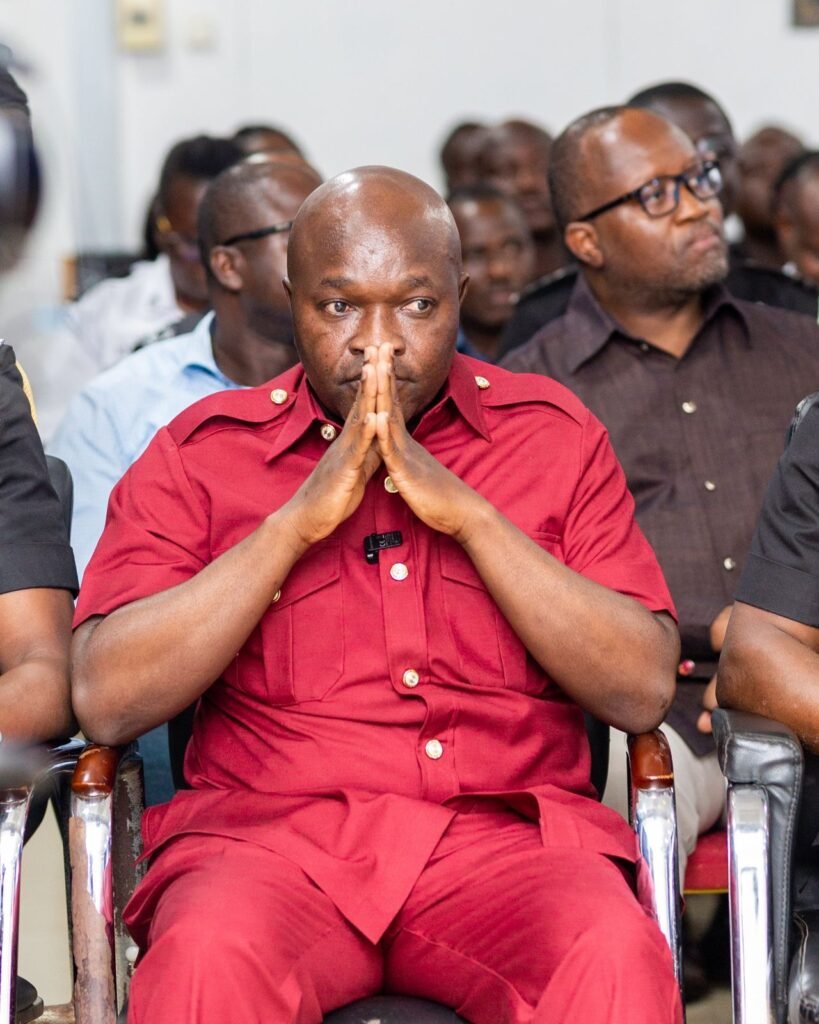
Alhaji Seidu Agongo, founder of the erstwhile Heritage Bank, stepped in by funding the construction of the eight-bed facility. He has also pledged quarterly financial support to assist with the mass burial initiative and to cover medical bills for some unknown patients – an intervention described as unprecedented by the Police Service.
The new facility will isolate these severely neglected patients from the general ward population, enhancing infection control measures and restoring dignity to those overlooked by society. Hospital officials have hailed the project as historic, noting it will reduce congestion, improve care standards, and alleviate financial pressure on the institution.
Speaking at the inauguration, Alhaji Agongo emphasised the importance of compassion for the vulnerable.
“When I learned about the plight of these unknown patients, people who come in broken, nameless, and abandoned, I said to myself we as a country needed to act,” he said.
“Humanity is not about what we do for those who we know or can repay us, but for those who cannot. Indeed, nobody is unknown – we are all known by one creator, and that should unite us as a people to continue to uplift each other and make society better.”
He described the facility as more than just infrastructure, calling it a sanctuary for lives that matter, even when unclaimed.
“I hope this will inspire others to look beyond themselves and support causes that restore dignity to the forgotten in our society,” Alhaji Agongo added.
For decades, the Police Hospital has managed this responsibility without external assistance. Alhaji Agongo’s intervention marks the first time a private individual has contributed significantly to this cause.
Hospital officials expressed optimism that the gesture would encourage other citizens and organisations to provide further support, making life more comfortable for these patients and easing the overall burden on the facility.