

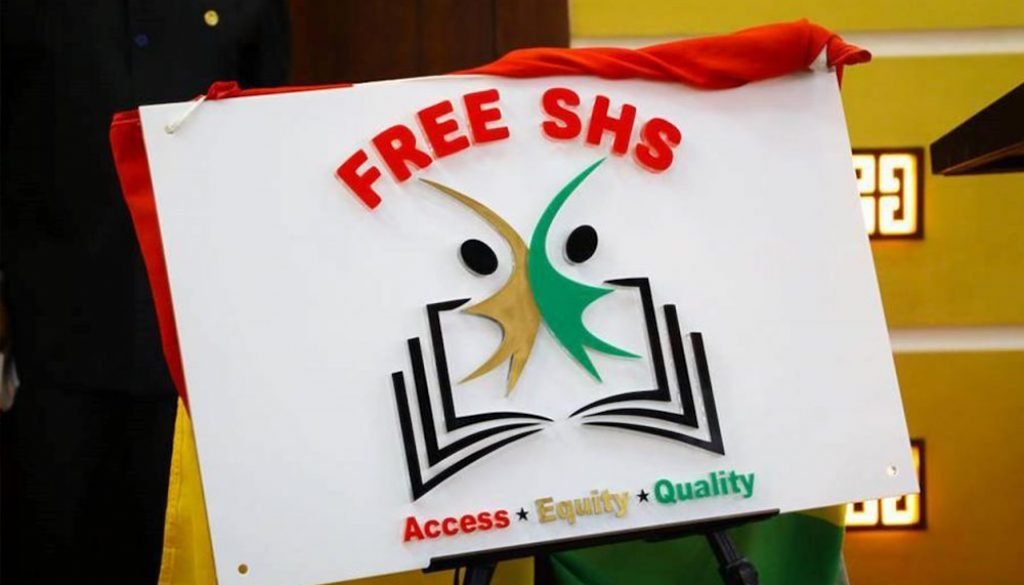
The National Association of Institutional Suppliers (NAIS) says it will go ahead with its planned picketing exercise at the Ministry of Education despite fresh assurances from government officials regarding outstanding payments under the Free Senior High School (Free SHS) programme.
The association is demanding the release of approximately GH¢50 million owed to its members for supplies delivered to public senior high schools since 2023.
NAIS announced that the protest would proceed after a meeting held on Wednesday, June 10, between the association and officials of the Free SHS Secretariat. During the meeting, suppliers were updated on efforts to process their claims and were asked to exercise patience.
However, the association described the assurances as insufficient to call off the demonstration.
In a statement issued on June 3, NAIS indicated that the picketing had become necessary due to prolonged delays in settling debts for school uniforms, house dresses, and school cloths supplied under the Free SHS programme. Members are yet to receive payment for goods delivered since 2023 despite several engagements with authorities.
NAIS president speaks out
President of NAIS, Emmanuel Ayivor, said repeated government promises had not resulted in actual payments.
While welcoming the engagement with the Free SHS Secretariat, Mr Ayivor noted that members remained dissatisfied with the ongoing delays.
He stressed that the association was determined to proceed with Thursday’s picket at the Ministry of Education until concrete steps are taken to clear the arrears.
The suppliers argue that the payment delays are severely affecting their operations and threatening the sustainability of businesses that fulfilled their contracts under the government’s flagship education programme.
The planned demonstration is expected to increase pressure on authorities to resolve the longstanding issue and ensure the immediate release of funds for contracts executed over the past two years.
The Free SHS programme, one of the government’s major social intervention policies, provides free secondary education to thousands of students nationwide. However, periodic delays in payments to service providers and suppliers have continued to pose implementation challenges.