

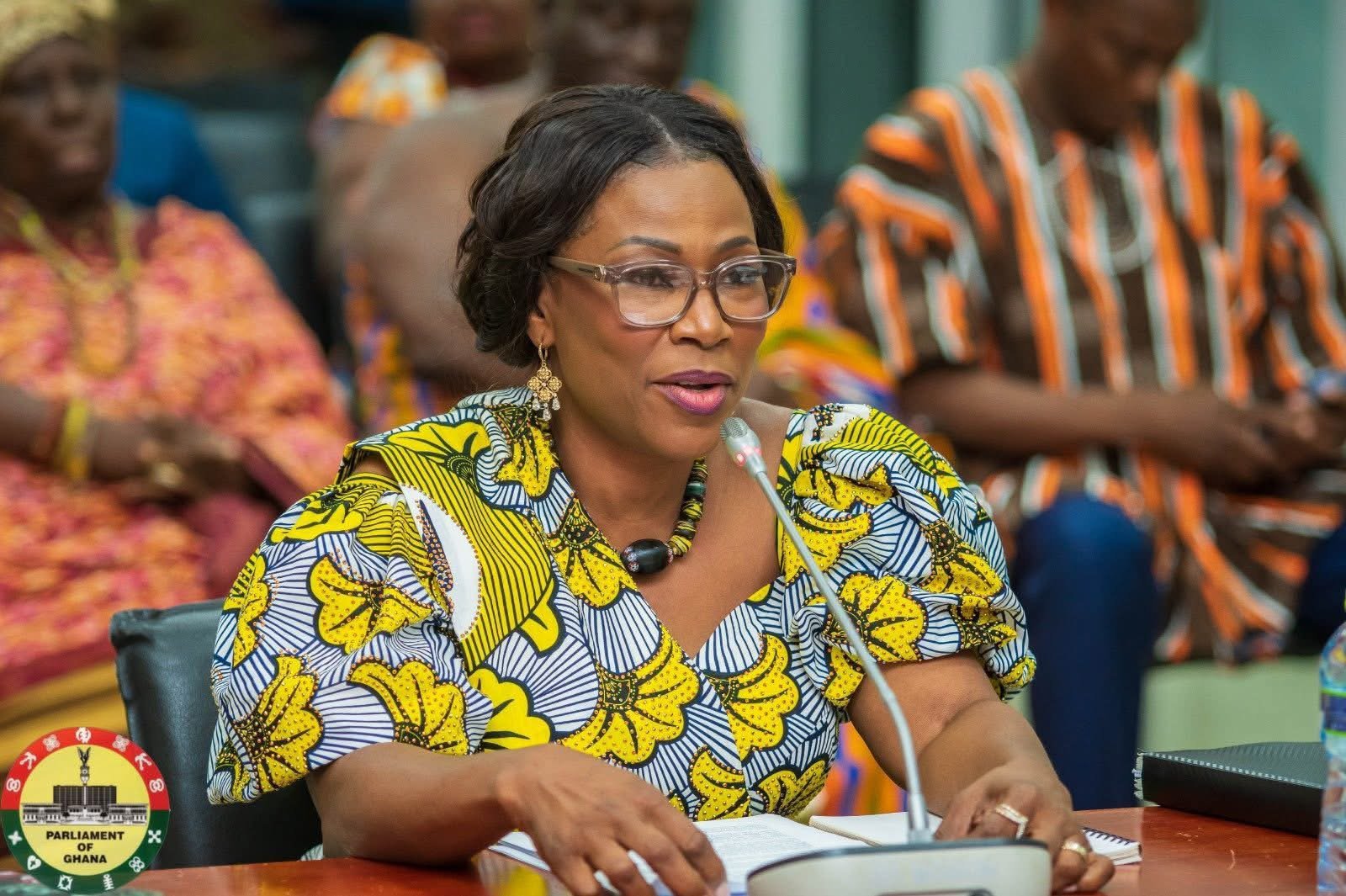
The Deputy Minister for Health, Dr Grace Ayensu-Danquah, has assured Ghanaians that the government is taking concrete steps to eradicate the persistent “no bed syndrome” in public hospitals, which has been blamed for preventable deaths in emergency situations.
Speaking on the floor of Parliament on Tuesday, February 24, Dr Ayensu-Danquah outlined a comprehensive plan to revamp emergency services across the country, from Community-based Health Planning and Services (CHPS) compounds and polyclinics to major referral facilities.
She emphasised that the overhaul would include staff retraining, equipment upgrades, improved ambulance services, and better coordination at all levels of healthcare delivery.
“We are retraining our emergency services staff. We are training the doctors and the staff. We are training the security personnel in the emergency rooms. We are even extending this into the ambulance service itself,” the Deputy Minister stated.
Dr Ayensu-Danquah further revealed that all ambulances nationwide would be fully equipped with essential life-saving supplies to enable effective on-scene and en-route interventions.
“This patient could have probably been saved if we had the proper supplies in the ambulance. We are working diligently to avoid such needless deaths of any Ghanaian,” she added, while extending condolences to the family of the victim.
Her comments come in the wake of public outrage over the death of 29-year-old Charles Amissah, an engineer with Promasidor Ghana Limited, who died on February 6, 2026, following a hit-and-run accident at the Kwame Nkrumah Circle Overpass in Accra.
According to reports, Amissah sustained critical injuries and was rushed by ambulance to three major facilities — the Police Hospital, Greater Accra Regional Hospital (Ridge), and Korle-Bu Teaching Hospital — but was allegedly turned away each time due to claims of no available beds.
Emergency responders provided first aid at the scene and during transit, but the repeated rejections and resulting delays are believed to have contributed to his deterioration. He was eventually admitted to Korle-Bu Teaching Hospital, where he suffered cardiac arrest and was pronounced dead.
In response to the incident, Korle-Bu Teaching Hospital has interdicted two doctors and two nurses pending the outcome of a full internal investigation. A dedicated committee has also been set up to probe the circumstances surrounding the emergency care provided, with hospital authorities urging full cooperation for a transparent process.