Haruna Iddrisu vindicated by High Court ruling on OSP’s independent prosecutorial powers?
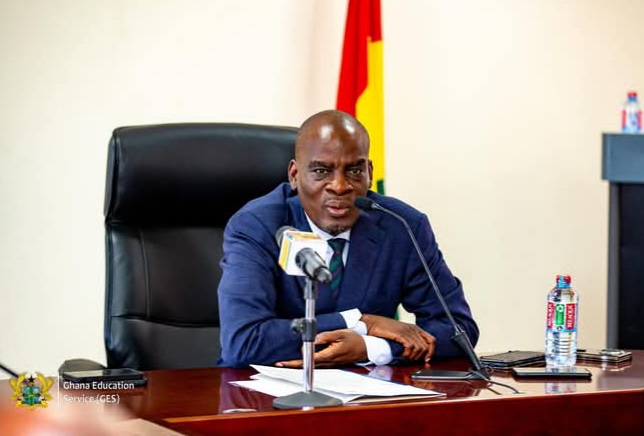
Education Minister Haruna Iddrisu’s constitutional concerns about the prosecutorial powers of the Office of the Special Prosecutor (OSP), which he raised as Minority Leader in Parliament, have come under fresh scrutiny following a High Court ruling that the anti-corruption body lacks independent authority to prosecute criminal cases.
In 2017, during debates on the Office of the Special Prosecutor Bill, Mr. Iddrisu argued that the proposed law was “pregnant with constitutional flaws” and cautioned against creating what he described as “an illegal child called a Special Prosecutor.”
Citing Article 88 of the 1992 Constitution, which vests prosecutorial authority exclusively in the Attorney-General, he questioned the necessity of granting an independent Special Prosecutor powers to initiate, conduct, and discontinue prosecutions on behalf of the state.
He also highlighted potential institutional overlaps with bodies such as the Ghana Police Service and the Economic and Organised Crime Office (EOCO), and called for a clearer separation of investigative and prosecutorial roles.
Nearly nine years later, the Accra High Court, presided over by Justice John Eugene Nyadu Nyante, has delivered a ruling that echoes aspects of those concerns.
On Wednesday, April 15, 2026, the court declared in a case filed by Peter Archibold Hyde that while the OSP retains investigative powers under Act 959, it does not have the constitutional mandate to independently initiate and conduct prosecutions.
The court directed that all ongoing prosecutions initiated by the OSP be referred to the Attorney-General’s Department for handling. It further declared such prosecutions invalid without explicit authorisation from the Attorney-General and awarded costs of GH¢15,000 against the OSP.
The OSP has expressed disagreement with the ruling and indicated it will challenge the decision, maintaining that only the Supreme Court has the jurisdiction to strike down provisions of an Act of Parliament as unconstitutional.
The office says it will continue its investigative mandate while seeking further legal clarity.
However, the ruling affects several high-profile cases currently before the courts, including matters involving alleged corruption and failure to declare assets.
The Office of the Special Prosecutor was established in 2017 to investigate and prosecute corruption offenses involving public officials, with the goal of enhancing accountability and public confidence.
However, questions surrounding its prosecutorial independence have persisted since the law was passed.