

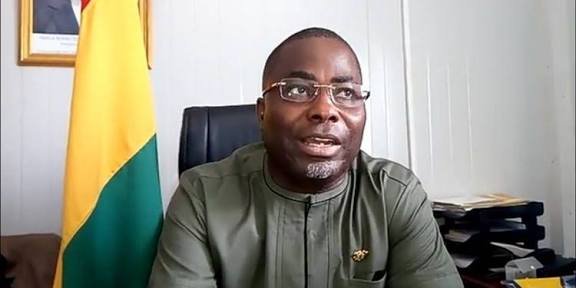
The Criminal Division of the Accra High Court has granted an application by the Office of the Special Prosecutor (OSP) to allow its first prosecution witness to testify anonymously and in camera in the ongoing corruption trial involving former Secretary to the Inter-Ministerial Committee on Illegal Mining (IMCIM), Charles Cromwell Nanabanyin Onuawonto Bissue, and two others.
Justice Audrey Kocuvie-Tay, presiding over the case, ruled that the undercover investigator, identified in court documents only as Benjamin Agyepong, will give evidence in private due to credible threats to his life linked to the sensitive nature of illegal mining investigations.
The court cited Article 19(5) of the 1992 Constitution and Section 102 of the Courts Act, which permit the exclusion of the public when the safety of witnesses is at serious risk.
Mr Bissue, the first accused, faces six counts of corruption and using public office for profit. The second accused, Raphael Mensah, former Systems Manager of the GalamStop software, and the third accused, Dr Naa Dedei Tagoe, former IMCIM Project Coordinator, are both charged with abetment of corruption. All three have pleaded not guilty.
The charges flows from allegations that the trio improperly influenced IMCIM processes to favour an unqualified company, as exposed in the investigative documentary “Galamsey Fraud Part I” by Tiger Eye P.I.
Lawyers for the accused persons fiercely opposed the OSP’s application, arguing that granting anonymity and in-camera testimony would undermine the constitutional principle of open justice. They also challenged the witness’s status as a bona fide undercover investigator employed by the OSP.
The court, however, upheld the OSP’s position, emphasising the violent history associated with galamsey-related probes, including the 2019 assassination of journalist Ahmed Hussein-Suale.
A separate prosecution request to allow the investigative journalist behind the exposé to testify was opposed by the defence and is yet to be ruled upon.
The case has been adjourned to January 12, 2026, for trial to commence under the protected conditions.