

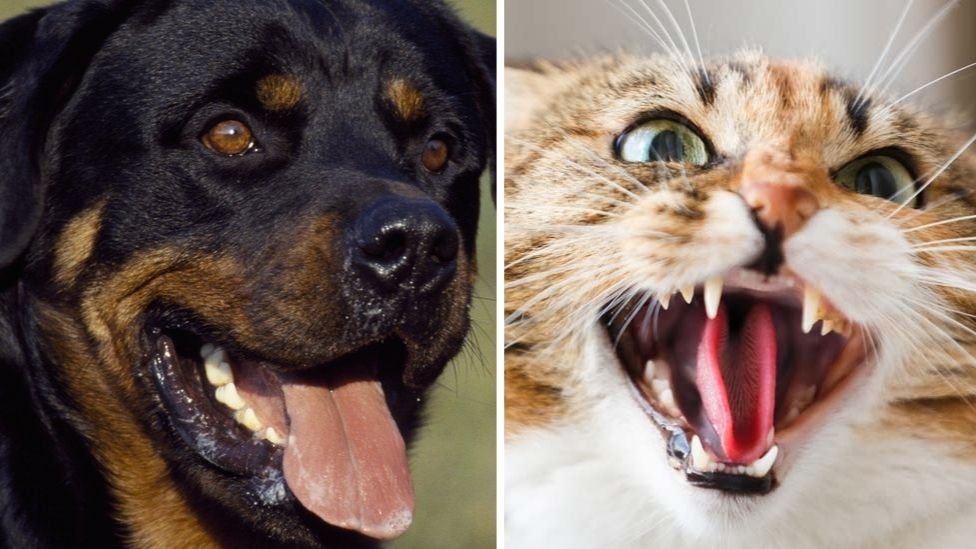
Environmental advocacy organisation, the Institute for Climate and Society (ICS), has announced plans to go to the Supreme Court to seek enforcement of Ghana’s laws against the slaughter and consumption of dogs and cats.
In a statement issued on Monday, July 28, ICS said it will ask the apex court to compel the enforcement of Section 303 of the Criminal Offences Act, 1960 (Act 29), as amended by the Criminal Code (Amendment) Act, 1998 (Act 554).
The organisation argues that the continued practice of slaughtering and consuming dogs and cats is unlawful and poses significant animal welfare and public health concerns.
According to ICS, dogs and cats are companion animals and should not be treated as food.
“Companion animals are not food, they are family. Like humans, these animals possess intelligence, emotional capacity, and strong bonds with their households. They deserve legal protection, not exploitation,” the organisation stated.
ICS further argued that the consumption of dogs and cats exposes the public to health risks, particularly zoonotic diseases such as rabies, due to the absence of regulated systems for breeding, slaughtering and inspecting the animals for human consumption.
The group noted that unlike livestock such as cattle, goats, pigs, poultry and fish, Ghana has no recognised or regulated dog or cat farming systems.
It said the lack of regulation raises concerns that some animals consumed could be stolen household pets, contributing to what it described as an increase in animal theft and illegal trade.
The Executive Director of ICS, Eric Jerry Aidoo, said the legal action is aimed at protecting both companion animals and public health.
“Dogs and cats have proven to be loyal companions and vital members of our households. The widespread theft and cruel slaughter of these animals must end. We are calling on the highest court of the land to uphold the law and protect both our animals and our public health,” he said.
ICS said the Supreme Court action forms part of its broader campaign to promote environmental sustainability, legal compliance and animal welfare in Ghana.
The organisation has in recent years intensified advocacy against the trade and consumption of dog and cat meat through public education campaigns on animal welfare concerns and possible health risks associated with unregulated slaughter.
It has also engaged government institutions, law enforcement agencies and animal welfare stakeholders, urging stricter enforcement of existing laws and stronger protections for companion animals.
The organisation said it is seeking a judicial interpretation and enforcement of the relevant provisions of the Criminal Offences Act through the Supreme Court action.