

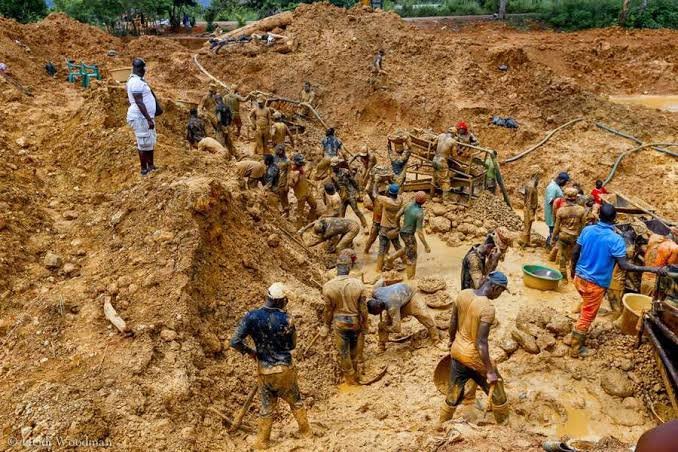
Participants at a high-level workshop organised by the Kofi Annan International Peacekeeping Training Centre (KAIPTC) have identified illegal small-scale mining, popularly known as galamsey, as the most significant emerging threat to human security and national security in Ghana.
The forum, which convened stakeholders from security agencies, academia, traditional authorities, the media, and various state institutions, described galamsey as having evolved into a highly organised and complex ecosystem.
It is now deeply intertwined with activities such as smuggling, human trafficking, drug abuse, violent extremism, and widespread environmental destruction. The dialogue, supported by the Embassy of Spain in Ghana, warned that the unchecked scale of illegal mining could have devastating long-term consequences for the nation’s stability, drawing parallels to conflict scenarios portrayed in films such as Black Diamond and Hotel Rwanda.
Presenting key findings from a two-week research study, Senior Researcher at KAIPTC, Ernest Ansah Lartey, emphasised that illegal mining now constitutes a major threat to both human security and public health.
“One, that is evolving into a safety and security ecosystem,” he stated, highlighting how the sector has become increasingly mechanised and structured, involving sophisticated networks of financiers, equipment suppliers, and influential actors embedded within political and economic systems.
He advocated for a strategic shift in enforcement, urging authorities to prioritise targeting high-level financiers and enablers rather than focusing solely on low-level operators. The research revealed extensive environmental devastation, particularly to major water bodies such as the Ankobra River, Bonsa River, and Pra River, alongside the widespread destruction of farmlands and the proliferation of dangerous abandoned mining pits along roadsides.
It further noted the prominent role of foreign actors in the supply chain, especially in the importation, supply, and maintenance of heavy mining equipment. In some locations, a single mining site was found to support more than 1,200 people daily, illustrating the scale of livelihoods now dependent on the illegal activity.
Western Regional Minister Joseph Nelson stressed the need for credible economic alternatives to wean communities away from galamsey.
“How can you easily convince someone who gets 1,500 cedis a day to stop the trade? There should be real social interventions and sustainable approaches,” he said.
He proposed tougher punitive measures, including the confiscation of lands from chiefs and traditional leaders who permit illegal mining on their jurisdictions.
The Minister disclosed that 11 out of 14 districts in the Western Region have been severely affected by galamsey and announced plans to establish three dedicated operational bases in Ellembelle, Amenfi East, and Ahanta West to enhance monitoring and enforcement efforts.
Participants at the workshop called for greater deployment of technology to detect and track illegal mining hotspots in real time. They underscored the urgent need for a coordinated, multi-stakeholder strategy involving government, security services, communities, and development partners to confront what they described as a rapidly escalating national security crisis.