
NPP sues Attorney-General over constitutional provisions on presidential terms
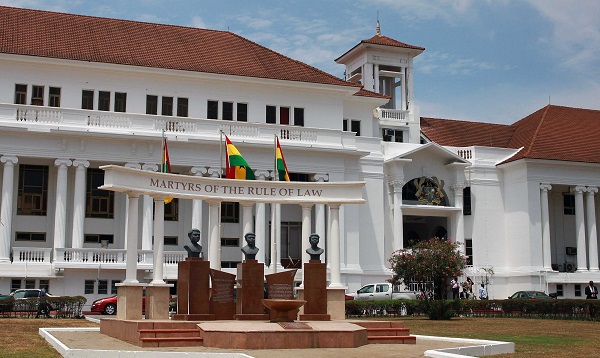
The New Patriotic Party (NPP) has sued the Attorney-General at the Supreme Court, seeking an interpretation of the constitutional provisions governing presidential term limits.
In a writ of summons and statement of case dated July 28, 2026, the party is asking the court to clarify whether the two-term limit applies to consecutive and non-consecutive presidential terms.
The suit, filed by the party’s solicitor, Godfred Yeboah Dame of Dame & Partners, seeks declarations on the interpretation of Articles 58(2) and 66(1), (2) and (3)(a) of the 1992 Constitution.
Among other reliefs, the NPP wants the court to declare that a person cannot be elected President more than twice or hold the office for more than two four-year terms, amounting to eight years, regardless of whether the terms are consecutive.
The party is also seeking clarification on the eligibility of a Vice-President who assumes the presidency for more than half of a predecessor’s unexpired term. It wants the court to declare that such a person would be eligible to contest for the presidency for only one additional term.
The NPP argues that interpreting the constitutional limit as applying only to two consecutive terms could allow a person who has served one term, lost an attempt at immediate re-election and later returned to office to serve two additional terms.
Describing that interpretation as a threat to Ghana’s constitutional framework, the party argues that it would amount to inserting words into the Constitution and effectively amending it through judicial action.
“Plaintiff considers this proposition not only absurd but dangerous for the democracy, peace and stability of the nation,” the statement of case reads.
The party also cites the United States’ 22nd Amendment, constitutional developments in other African countries and the Constitution Review Commission’s 2011 report, which recommended clarifying the disqualification of a person who has served two presidential terms from seeking re-election.
The suit comes amid public debate over whether the constitutional phrase “two terms” means two terms in total or two consecutive terms.