

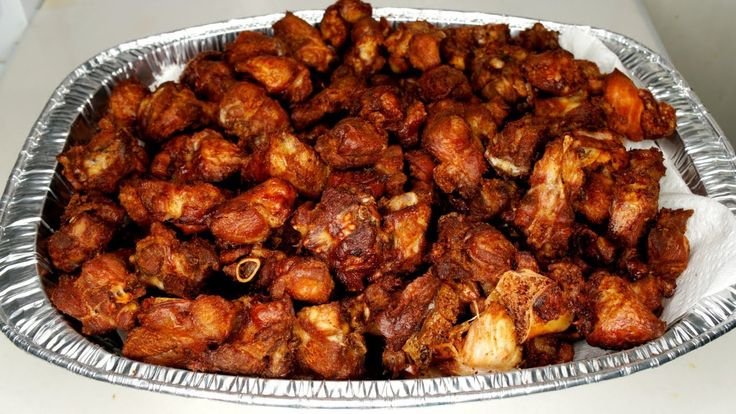
The Food and Drugs Authority (FDA) has explained why turkey tail, popularly known in Ghana as “tsofi”, continues to be sold in markets and cold stores despite a ban that has been in force for over 20 years.
Speaking to Citi News, Deputy Chief Executive of the FDA’s Food Division, Roderick Kwabena Daddey-Adjei, attributed the persistent presence of the product to smuggling tactics and weak detection during inspections.
“Smugglers and importers often conceal the banned product among other frozen food items, making it difficult for inspection officers to detect it during routine checks,” he said.
He added that turkey tail is usually hidden in consignments of frozen products, and sometimes imported through unapproved routes. “It is frozen and mixed up with other items in the consignment. When we are doing inspections, it is not a 100 percent check. You sample, pick and look at it,” Daddey-Adjei explained.
The FDA official noted that the Authority has intensified “side verification inspections” on frozen meat importers to curb the influx of the contraband product.
Turkey tail was banned in Ghana in 1999 due to its high fat content and associated health risks. Health authorities warn that excessive consumption can contribute to obesity, hypertension, heart disease, and other complications.
The issue has resurfaced in public discourse following renewed warnings by the FDA about the continued circulation of the banned product in the market.