

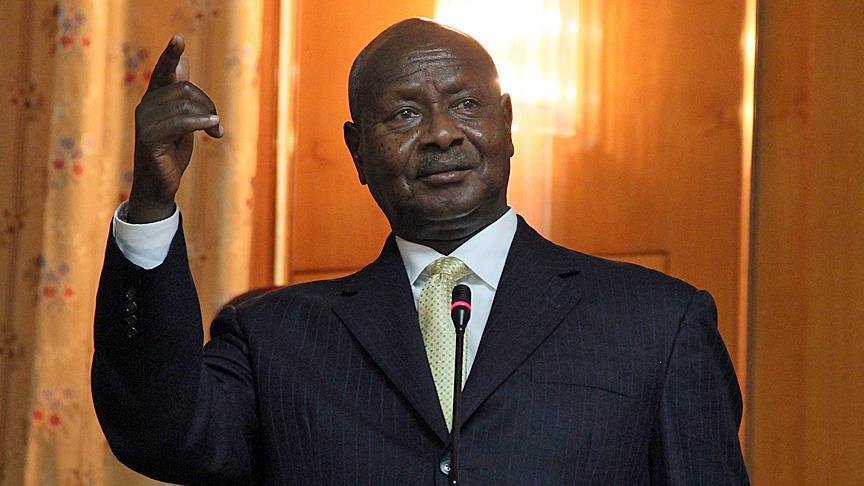
Veteran leader Yoweri Museveni has been declared the winner of Uganda’s presidential election, securing a landslide victory that extends his rule into a fifth decade amid allegations of fraud and violence.
The 81-year-old president, who first seized power in 1986 at the head of a rebellion, was credited with just under 72% of the vote, according to the country’s electoral commission. The announcement was made during a ceremony in the capital, Kampala, on Saturday.
Museveni’s main challenger, pop singer-turned-politician Bobi Wine (real name Robert Kyagulanyi), received 24% of the vote. Wine has strongly disputed the results, claiming widespread fraud during the election, which took place under an internet blackout imposed by authorities to curb “misinformation.”
In a post on X, Wine described a raid on his home by military and police forces, stating that they switched off power and disabled some CCTV cameras. “I want to confirm I managed to escape from them. Currently, I am not at home,” he wrote, adding that his wife and other family members were under house arrest. His whereabouts remained unknown on Saturday, with associates telling Reuters he was at large in Uganda.
The election was overshadowed by violent incidents. Police reported that seven people were killed and three injured in central Uganda shortly after polls closed, claiming officers fired in self-defense against “goons” organized by local MP Muwanga Kivumbi. However, Kivumbi contested this account, asserting that 10 people were killed by security forces inside his house.
Despite fears of widespread unrest similar to the post-election violence in neighboring Tanzania in October, which claimed hundreds of lives, such escalation did not materialize in Uganda.
Museveni’s victory was widely anticipated. He has dominated Ugandan politics for nearly 40 years, amending the constitution twice to eliminate term and age limits. In the 2021 election, he defeated Wine with 58% of the vote, a contest the United States deemed neither free nor fair.
During this campaign, Wine’s rallies were frequently disrupted by security forces using tear gas and bullets, resulting in at least one death and the arrest of hundreds of opposition supporters.
Museveni has earned praise from Western powers for deploying troops to conflict zones like Somalia and hosting millions of refugees, despite criticisms of his human rights record. Many Ugandans credit him with maintaining relative stability, and he campaigned on the slogan “protecting the gains.” The economy is projected to achieve double-digit growth this year with the start of crude oil production.
Speculation about Museveni’s succession has intensified, with many believing he favors his son, military chief Muhoozi Kainerugaba, as his heir—though the president has denied grooming him for the role.
In a recent interview with Sky News, Museveni dismissed suggestions of retirement: “If I am available, not dead, not senile, but I’m still around and I have some knowledge—if you are really serious about your country—why would you not want to take advantage of me?”