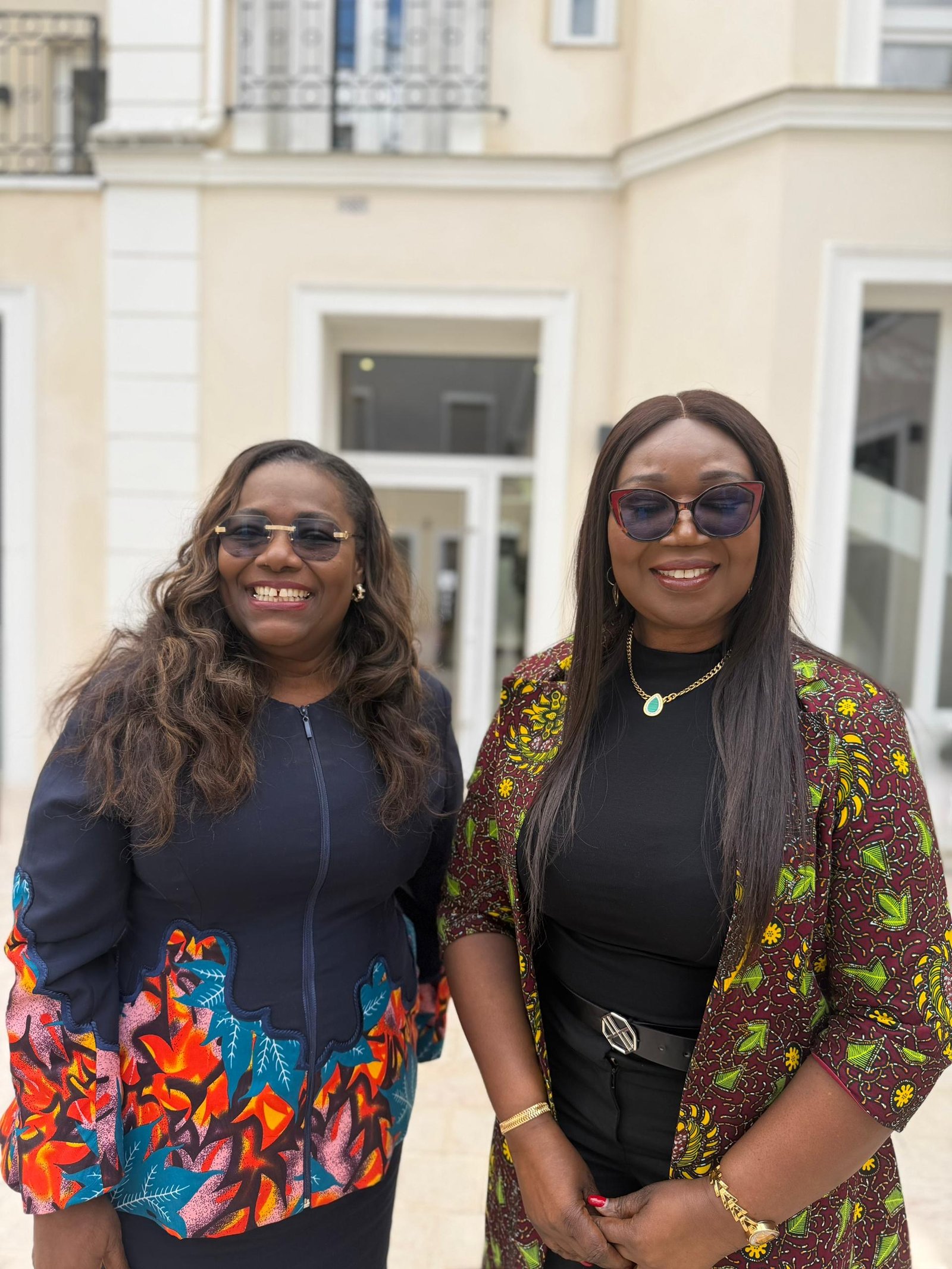
Ghana has delivered a bold message at the OECD Headquarters in Paris, urging a fundamental overhaul of global development cooperation amid sharp declines in aid flows.
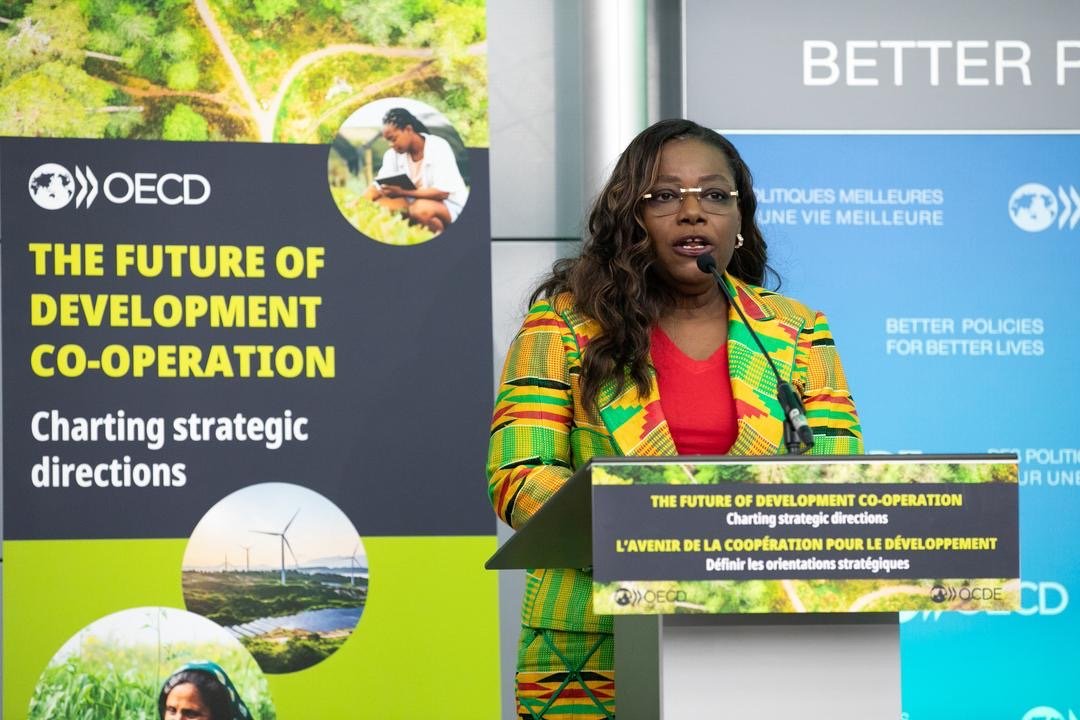
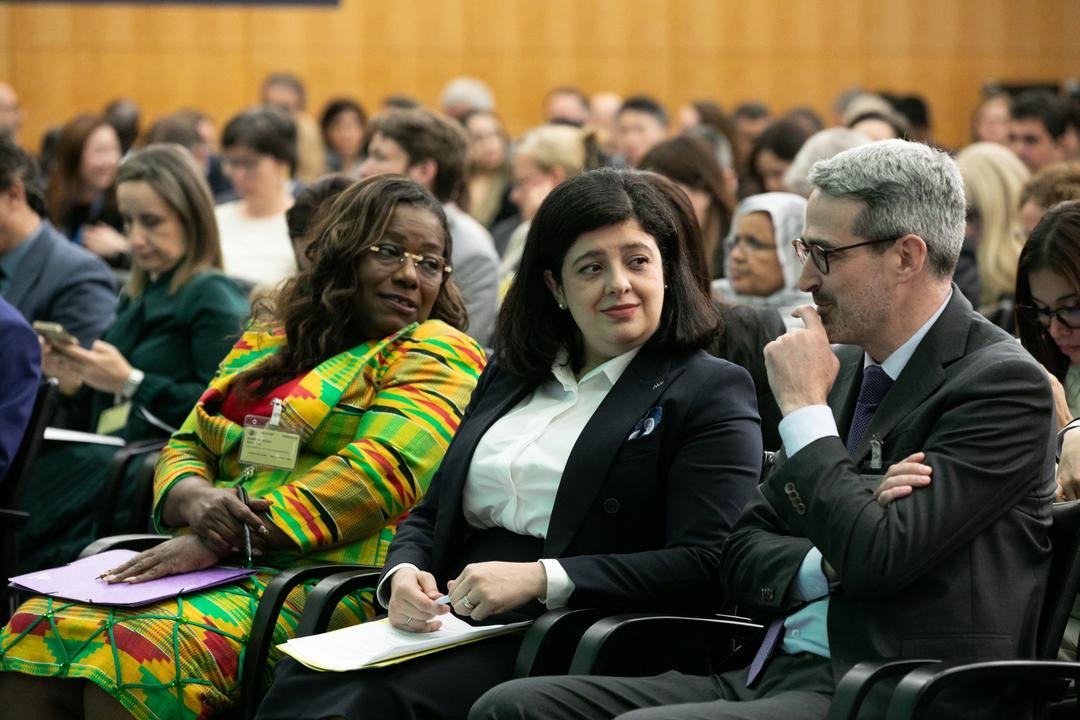
Nana Oye Bampoe Addo, Deputy Chief of Staff (Administration) at the Office of the President and Presidential Advisory Liaison to the Accra Reset Secretariat, represented President John Dramani Mahama and presented the African-led Accra Reset initiative to over 250 international development leaders.
In her keynote address titled “The Future of Development Co-operation: Charting Strategic Directions”, delivered on behalf of President Mahama at the high-level OECD conference convened by Secretary-General Mathias Cormann, Nana Oye Bampoe Addo painted a plain picture of the current aid landscape.
She noted that Official Development Assistance (ODA) from Development Assistance Committee (DAC) countries fell by 23.1 per cent in real terms in 2025, a loss of approximately $50 billion in a single year, the steepest annual decline on record. Bilateral ODA to sub-Saharan Africa, she noted, dropped by more than 26 per cent, while humanitarian aid fell by nearly 36 per cent. Further declines are projected for 2026.
Across Africa, governments collectively service more than $80 billion in debt annually against about $95 billion in total external inflows.
“The cold, grisly numbers describe a system in contraction at precisely the moment when the populations it was designed to support are growing fastest,” Nana Oye Bampoe Addo stated.
She positioned the Accra Reset, co-founded and championed by President Mahama, as Africa’s sovereign answer to this crisis. The initiative is anchored by a Presidential Council of sitting Heads of State from Africa, Latin America, and the Caribbean, supported by a Guardians’ Circle of eminent former leaders including Presidents Olusegun Obasanjo, Ellen Johnson-Sirleaf, Jakaya Kikwete, and Ameenah Gurib-Fakim, as well as former Prime Ministers Helen Clark and Gro Harlem Brundtland.
The Accra Reset focuses on building sovereign capacity in three critical areas. On health, a High-Level Panel on Reform of the Global Health Architecture and Governance, co-chaired by Peter Piot, El Hadj As Sy, Nísia Trindade, and Budi Gunadi Sadikin with Michel Sidibé as Special Adviser, is designing reforms from a Global South perspective. This is complemented by HINGE, the Health Investment National Gateways Enabler, which converts commitments into bankable investments within 24 months, with initial focus on maternal and newborn health and bio-innovation.
On economic transformation, the upcoming Sovereign Prosperity Spheres (SPS), geo-economic platforms for cross-border industrial coordination, will be unveiled at the African Union mid-year summit. Initiatives also include sovereign exchange instruments around critical minerals like gold and cobalt to support shared industrial networks. On institutional capacity, the Sankoree Institute of Global Negotiators is training national negotiators while the Masterkey Global Skills Digital Passport targets 150,000 cross-border employment placements by Year Five, with 70 per cent going to women.
Nana Oye Bampoe Addo stressed that sovereignty under the Accra Reset is not isolationist but about engaging from a position of strength and mutual competence. She quoted an African proverb: “If drummer and dancer are both skilled, the melody does not need a composer.”
She made three specific requests to the OECD: that its flagship report treat perspectives from initiatives like the Accra Reset as co-authored contributions rather than mere consultation inputs; that the DAC Review seriously engage with sovereign delivery architectures that strengthen institutions and productive capacity of partner countries; and that the language of “mutual benefit” be applied honestly without placing disproportionate risk on weaker parties.
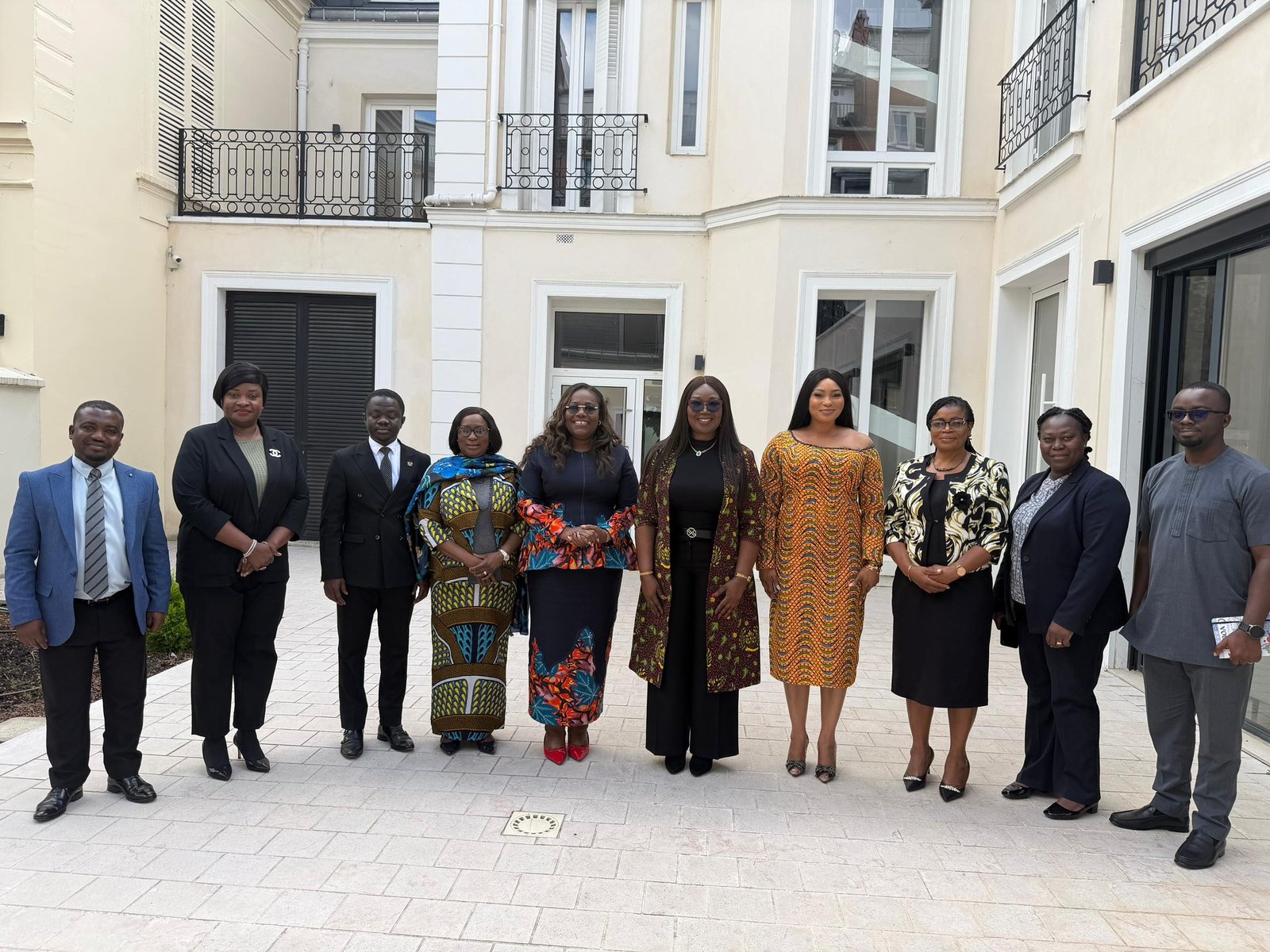
Later on Day One, Nana Oye Bampoe Addo held bilateral talks with OECD Director of Development Co-operation Pilar Garrido, alongside Ghana’s Ambassador to France, Mavis Ama Frimpong, to explore practical collaboration. On the second day, she visited the Ghanaian Embassy in Paris, where she briefed staff on the Reset agenda and received updates on embassy initiatives, including business seminars with French counterparts and efforts to secure Ghana’s return to the UNESCO Board. She reassured the officers that Ghana is back on track under President Mahama’s leadership.