
Woman arrested over alleged sale of chemicals for artificial fruit ripening at Madina Market
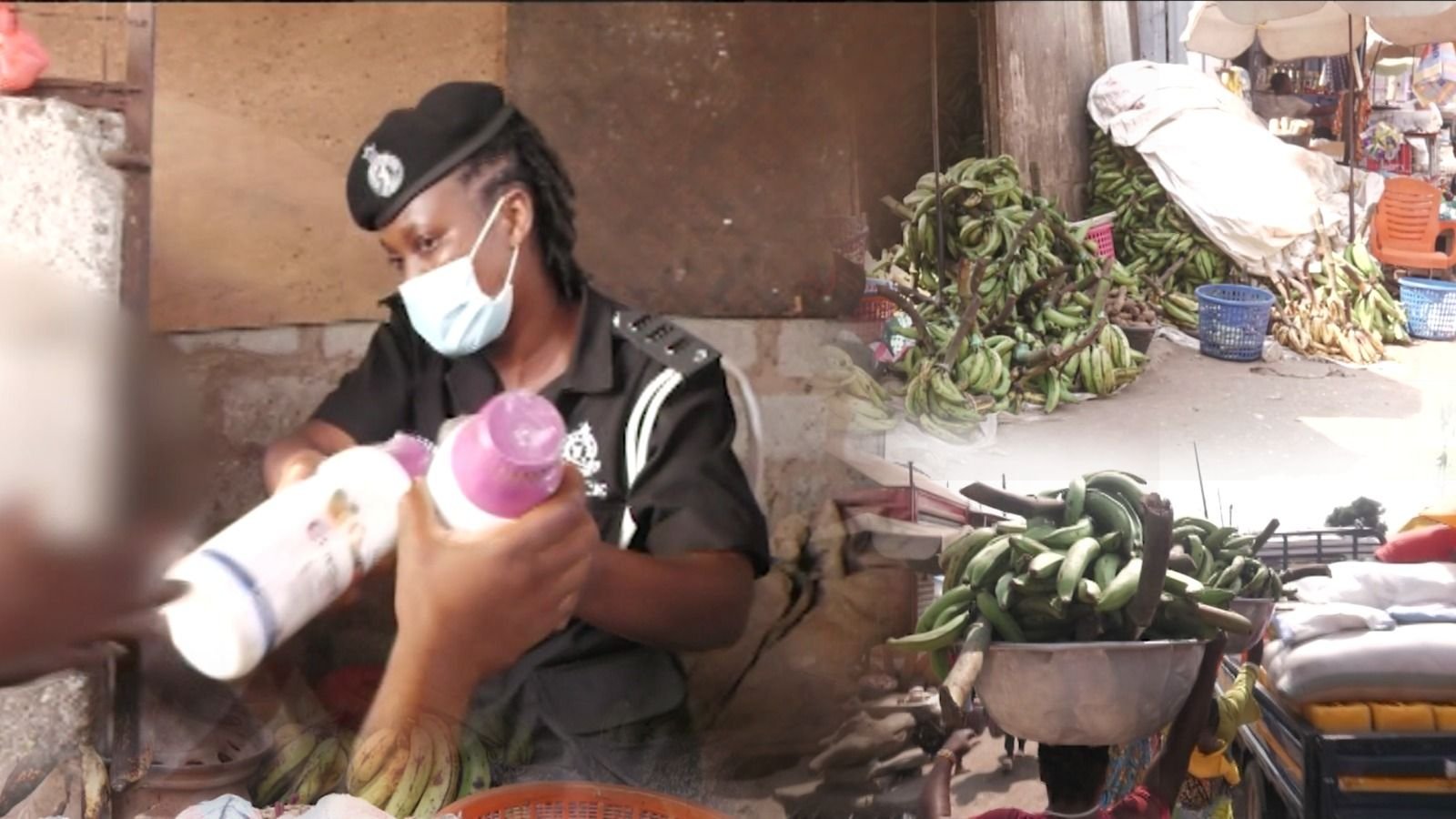
The Madina-La Nkwantanang Municipal Assembly taskforce, in collaboration with the Madina Police and its Environmental Health Unit, has arrested a woman suspected of selling unapproved chemicals allegedly used to artificially ripen bananas and plantains at the Madina Market.
The woman, whose identity has not been disclosed, was arrested on Tuesday, August 18, following concerns raised by traders over the alleged use and sale of substances to accelerate the ripening of fruits sold to consumers.
She was subsequently taken into police custody for questioning as investigations continue.
The Municipal Chief Executive (MCE) of the Madina-La Nkwantanang Municipal Assembly, Ibrahim Fialla, said the Assembly would intensify its monitoring of the market and conduct an extensive search to identify and deal with persons involved in the sale or use of unapproved substances.
The operation followed an engagement between the Assembly and traders at the Madina Market on Wednesday, August 12, during which some traders raised concerns about the alleged use of unapproved substances to ripen farm produce, particularly bananas and plantains.
Acting on the directive of the MCE, the Assembly’s Environmental Health Unit, with support from the Madina Police, subsequently conducted an operation at the market and identified the woman as allegedly being involved in the sale of the substances.
Some traders have, however, expressed concern that the alleged practice may not be limited to the Madina Market. They have therefore called on the Assembly and the Food and Drugs Authority (FDA) to expand surveillance of fruit markets and take proactive measures to prevent the sale and use of potentially harmful substances.
The trader who first raised the alarm also claimed that her son became ill after eating bananas suspected to have been treated with the substance. She said the child received medical treatment and has since been discharged.
There is, however, no indication at this stage that the child’s illness has been scientifically linked to the suspected substance. Such a connection would have to be established through appropriate medical and laboratory investigations.
Food-safety authorities have repeatedly cautioned against the use of chemicals that have not been approved for use in food. One substance that has attracted attention in relation to artificial fruit ripening is calcium carbide, which can generate acetylene gas and has been prohibited for such use in some jurisdictions because of potential health risks and harmful impurities.
However, authorities have not yet identified the substance allegedly being sold at the Madina Market, and it would therefore be premature to conclude that calcium carbide or any other specific chemical was involved in the incident.
The MCE said the planned market-wide exercise would seek to identify and remove any unapproved products from circulation while educating traders on the potential dangers associated with their use.
He also called for calm among traders and urged them to avoid actions that could create unnecessary fear and panic among the public.
Mr Fialla stressed the need for cooperation among traders, environmental health officers, the police and other relevant authorities to ensure that potentially unsafe practices are identified and addressed.
The Food and Drugs Authority is also expected to intensify its monitoring as investigations into the alleged use and sale of the substances continue.