

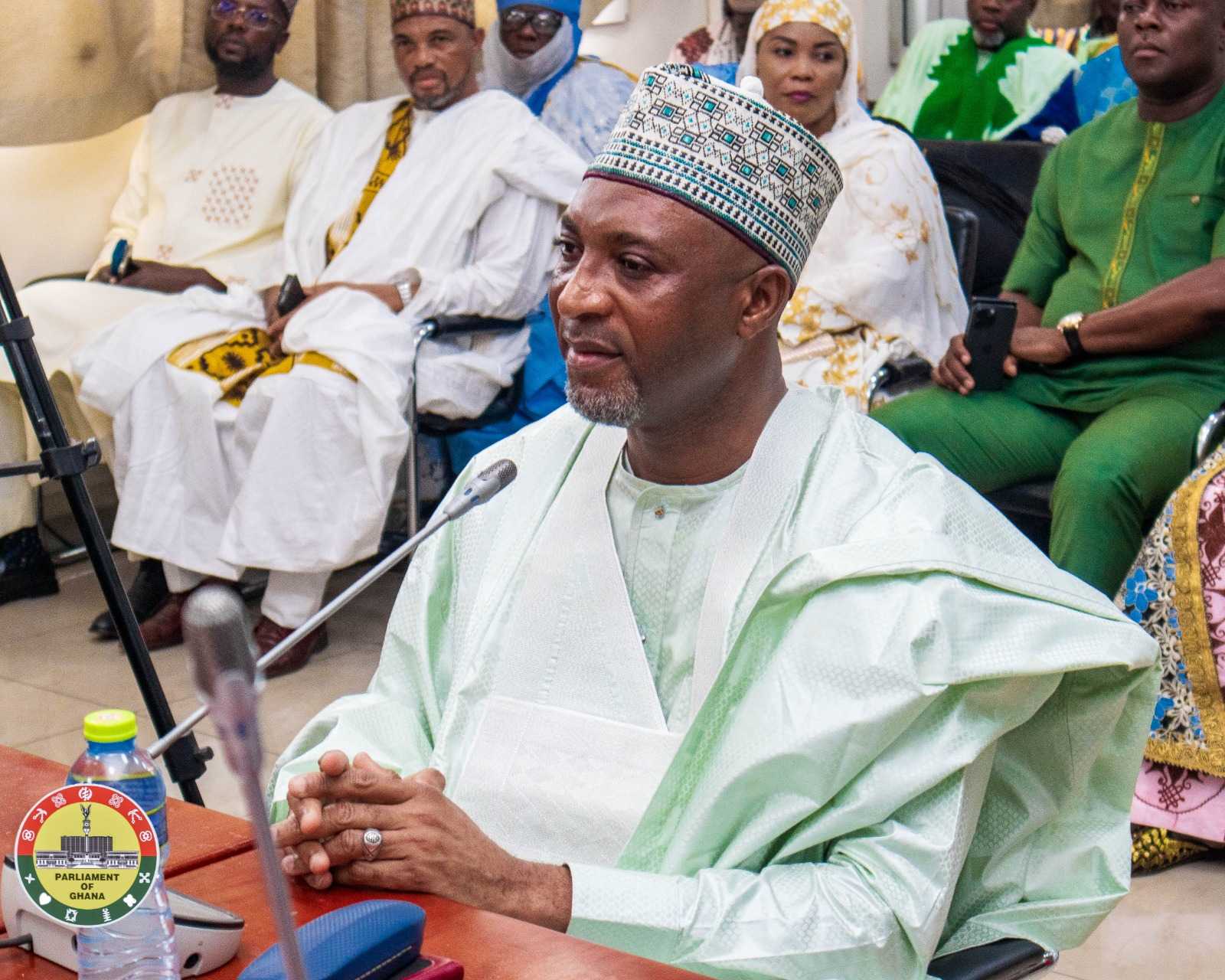
Interior Minister and Member of Parliament for Asawase, Mohammed Mubarak Muntaka, has cautioned Ghanaians against glorifying people who accumulate wealth without questioning the source of their riches.
He said the growing practice of elevating wealthy individuals to prominent positions in communities, religious institutions and traditional settings simply because of their financial status could have serious consequences for society.
According to Mr Muntaka, such a culture risks sending the wrong message to young people by making them believe that wealth, rather than education, integrity and skills, is the ultimate measure of success.
“If people can do anything to get rich and they are revered in our society, then the future of the younger generation is at stake because they will also want to toe the same line,” he said.
Mr Muntaka stressed the need for society to continue placing value on education, competence and skills development, arguing that people would not ordinarily entrust critical leadership positions to individuals without the requisite knowledge and ability.
“Who wants an illiterate who cannot even recite major verses in the Holy Quran to be their Imam? Nobody,” he said.
He, however, expressed concern that the increasing glorification of wealth could undermine these values, particularly in communities where individuals who suddenly acquire unexplained riches are quickly elevated to positions of influence.
The Interior Minister also raised concerns about the influence of wealth within religious communities, stressing that financial status should not determine a person’s position or influence in a place of worship.
“Even in our mosques, people claim seating positions because they are rich, and our Imams should fight against this,” he said.
Mr Muntaka called on religious leaders, traditional authorities and community leaders to work together to confront what he described as a growing societal “canker” of glorifying unexplained wealth.
He said deliberate efforts must be made to safeguard the values and upbringing of young people and discourage them from pursuing shortcuts to wealth.
“I am pleading that we should work at safeguarding the future of the younger ones and focus on giving them the right upbringing to make them useful and good leaders tomorrow.
“Let’s not let them copy the lifestyle of taking shortcuts to their future by making unexplained wealth,” he warned.
He urged community leaders to take steps to ensure that wealth, particularly wealth whose source cannot be explained, does not become the basis for social recognition, leadership or influence.