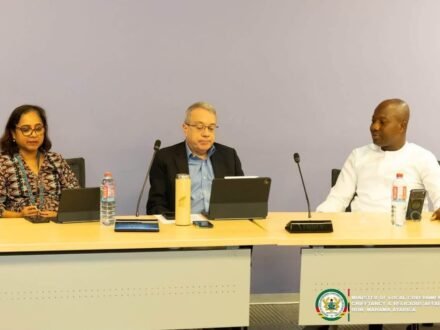
MahamaCares Administrator calls for people-centred healthcare at Accra NCD Dissemination Conference
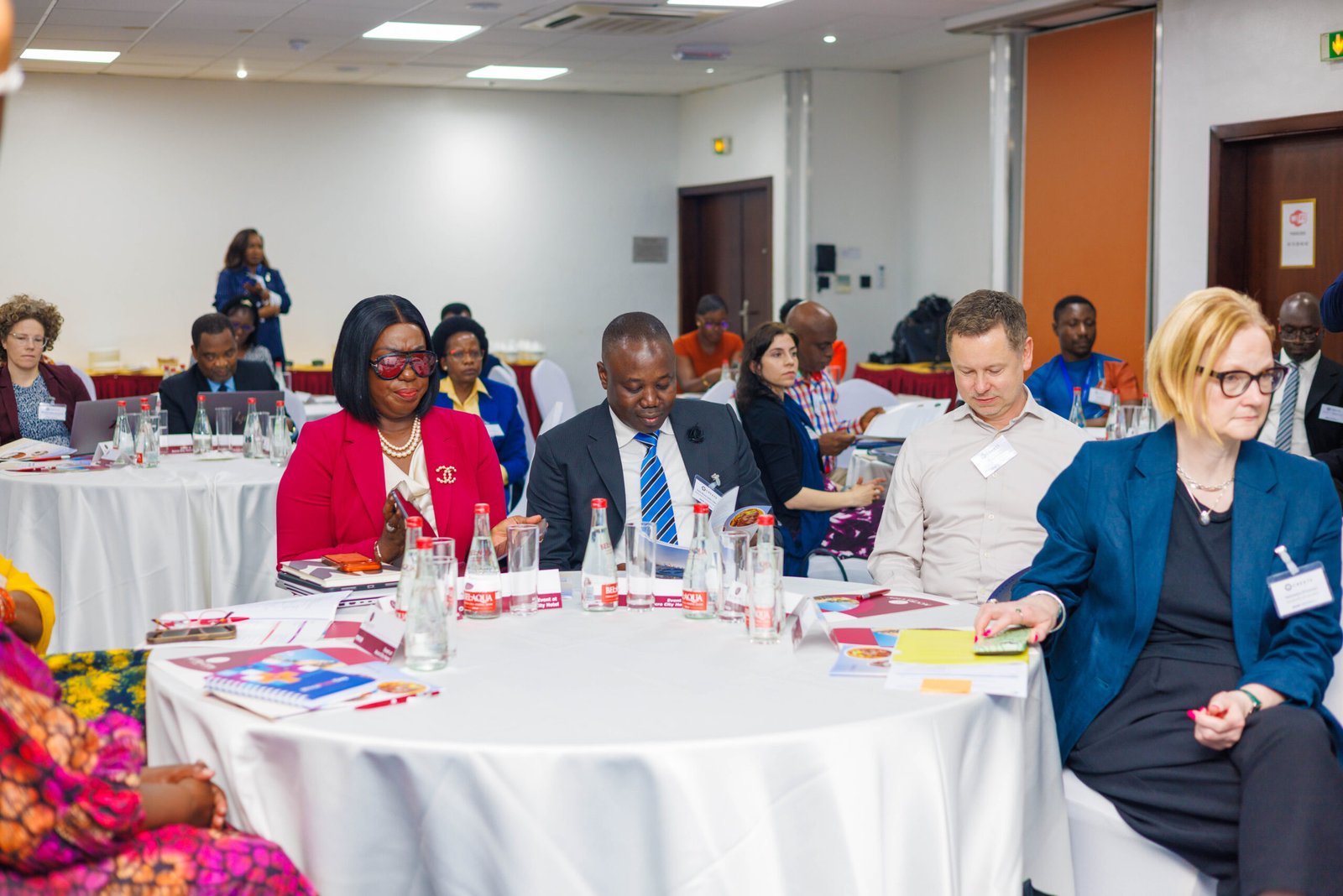
Researchers, policymakers, health experts, and development partners gathered at the Accra City Hotel on Monday, April 27, 2026, for the CREATE Programme Dissemination Conference to address the growing burden of non-communicable diseases (NCDs) across Africa.
The event spotlighted the silent but rapid rise of NCDs, particularly cardiometabolic conditions, and reinforced the message that investing in healthcare is not merely a social expense but a critical economic necessity for the continent’s future.
In her welcome address, Ms. Adjoa Obuobia Darko-Opoku, Administrator of MahamaCares (the Ghana Medical Trust Fund), stressed the need for a shift in approach to healthcare delivery.
“The future of healthcare in Africa must be collaborative, integrated, and people-centred,” she said. “Because the truth is this: We are no longer preparing for a rising burden of cardiometabolic diseases, we are already living in it.”
Chief Dr. Doliwura Zakaria, Managing Director of the National Investment Bank (NIB) PLC, who delivered the opening remarks, echoed the call, linking health outcomes directly to economic progress.
“Sustainable economic transformation requires strong human capital,” he stated. “A healthy nation is indeed a wealthy nation.”
NIB PLC, a proud sponsor of the conference, reaffirmed its commitment to supporting initiatives that bridge the gap between research, knowledge, and practical innovation. The bank said it will continue to back platforms that move beyond diagnosing problems to actively designing sustainable solutions.
The dissemination conference, which forms part of the broader CREATE programme, brought together key stakeholders to share findings, discuss policy implications, and chart practical pathways for integrating NCD prevention and management into national and regional development agendas.
Participants emphasised multi-sectoral collaboration involving government, financial institutions, health agencies, and civil society as essential to reversing the current trajectory of NCDs in Africa.
The event is expected to influence ongoing policy discussions on strengthening health systems and prioritising preventive care in Ghana and beyond.