

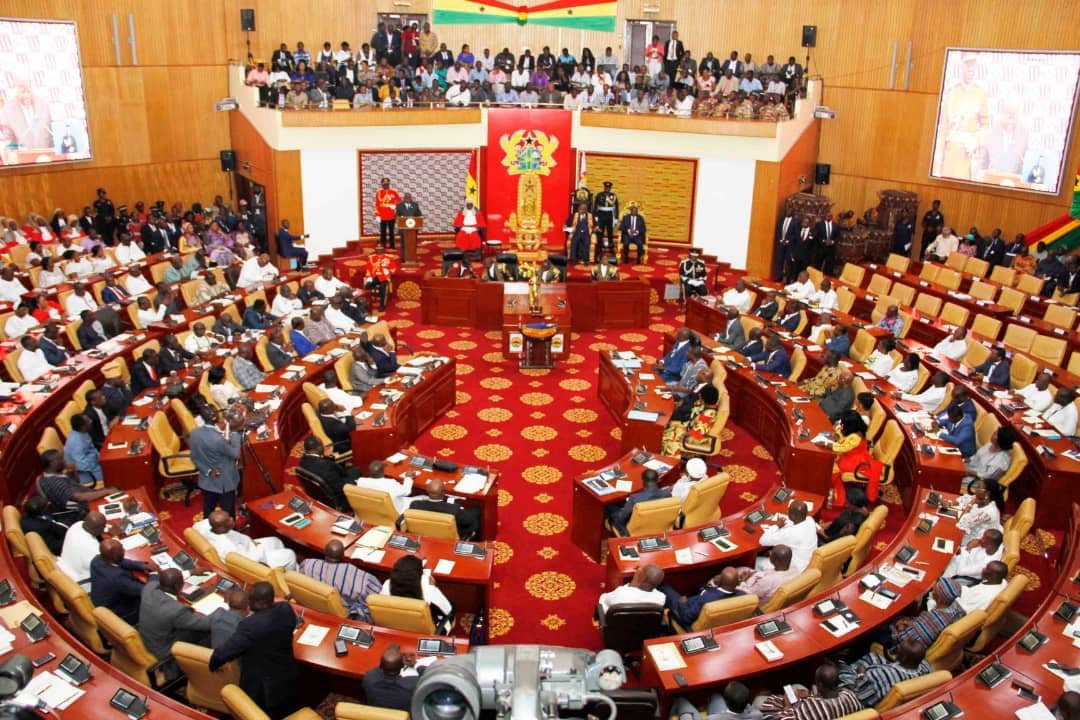
Parliament has passed the Value Added Tax (VAT) Bill 2025, marking a major overhaul of Ghana’s VAT regime with the aim of improving clarity, consistency, and legal certainty in the country’s indirect tax system.
The new legislation will replace the existing flat-rate VAT system with a single, unified structure.
Among its key provisions is a significant increase in the VAT registration threshold, a move designed to exempt many micro and small enterprises from VAT obligations and reduce compliance costs for smaller businesses.
During the debate on the bill, Minority Leader Alexander Afenyo-Markin expressed concern that the revised framework could result in additional tax burdens on businesses and ultimately increase the cost of living for ordinary Ghanaians.
Responding to the Minority’s concerns, Deputy Minister of Finance Thomas Nyarko Ampem dismissed the claims, stressing that the bill is intended to simplify tax compliance for businesses and will not impose any new or additional tax burdens on the public.
The passage of the VAT Bill 2025 is part of government’s tax reform agenda to modernise the country’s revenue administration and create a more business-friendly environment.
The bill now awaits presidential assent to become law.