

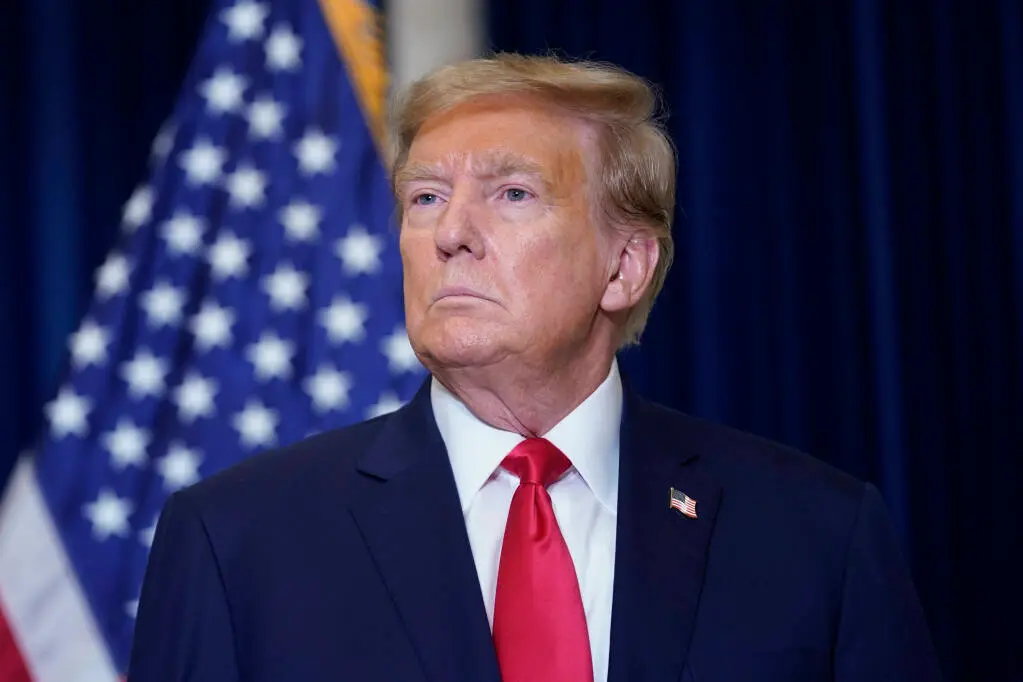
The administration of United States President Donald Trump has demanded that the International Criminal Court (ICC) amend its founding Rome Statute to permanently shield him and his top officials from any future prosecution, warning that failure to comply will trigger fresh and tougher sanctions against the court.
A senior Trump administration official, speaking on condition of anonymity, told Reuters that Washington has formally communicated three non-negotiable demands to ICC member states and the court itself:
1. Amend the Rome Statute to explicitly exclude jurisdiction over sitting or former U.S. presidents and senior officials.
2. Immediately drop arrest warrants issued against Israeli Prime Minister Benjamin Netanyahu and former Defence Minister Yoav Gallant over alleged war crimes in Gaza.
3. Formally and permanently close the long-dormant investigation into possible crimes by U.S. troops in Afghanistan.
According to Reuters, the official said the U.S. is particularly alarmed by what it described as “open chatter” in international legal circles that the ICC could open cases against President Trump, Vice President JD Vance, the Secretary of Defense, and other senior figures as soon as his term ends in 2029.
“There is growing concern that in 2029 the ICC will turn its attention to the president, to the vice president, to the secretary of war and others, and pursue prosecutions against them,” the official said. “That is unacceptable, and we will not allow it to happen.”
If the demands are not met, the U.S. is prepared to resume and escalate sanctions, this time targeting not just individual ICC judges and prosecutors — as it did earlier this year against nine officials — but the court as an institution.
Such entity-level sanctions could freeze bank accounts, block salary payments, and disrupt access to essential software, effectively paralysing the tribunal’s operations.
The United States has never ratified the Rome Statute and has long opposed the ICC’s authority over American citizens, arguing that it infringes on U.S. sovereignty. China and Russia are also non-members.
The ICC last month issued arrest warrants for Netanyahu, Gallant, and Hamas leader Ibrahim al-Masri over the Gaza war. The court’s Afghanistan investigation, opened in 2020, has been deprioritised since 2021 but has never been formally terminated.
Amending the Rome Statute to grant immunity to specific individuals or categories of officials would require approval by at least two-thirds of the 125 states parties, and fundamental jurisdictional changes could demand an even higher threshold — a process legal experts say could take years, if it succeeds at all.
The ICC’s public affairs unit responded cautiously, stating: “Amendments to the Rome Statute are within the prerogative of States Parties,” while declining to confirm or deny whether Washington had directly approached the court with the immunity demand.
The Trump official refused to specify which actions by the administration might attract future ICC scrutiny but noted recent U.S. military strikes on suspected drug-trafficking vessels in the Caribbean and Pacific that have killed more than 80 people, as well as ongoing congressional inquiries into whether some of those killings violated international law.
Two deputy ICC prosecutors told Reuters on Friday that they had received no request to investigate U.S. actions related to Venezuela or any other current operation.
The White House declined to comment on the record.