Why are VIP buses still on our roads – A Plus reacts to NRSA ban on Toyota Voxy

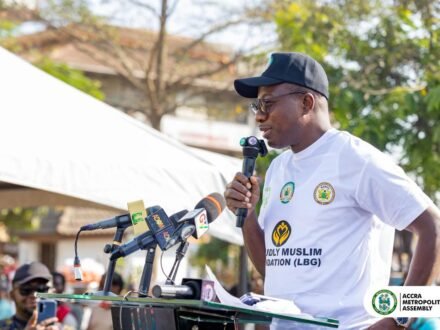
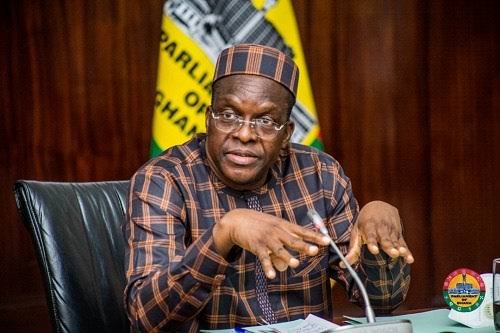
Member of Parliament for Gomoa Central, Kwame Asare Obeng, popularly known as A Plus, has questioned the National Road Safety Authority (NRSA) over its ban on the commercial use of Toyota Voxy vehicles.
The outspoken legislator made the remarks in reaction to a recent deadly crash on the Accra–Kumasi Highway that claimed 10 lives.
The accident occurred in the early hours of Monday, April 13, 2026, at Mile 44, when a Tamale-bound VIP passenger bus with 33 passengers on board collided with a diesel trailer. Nine men and one woman lost their lives in the incident, with several others sustaining injuries, according to the Ghana National Fire Service.
In a Facebook post on Wednesday, April 15, 2026, A Plus expressed bewilderment at the selective approach to road safety enforcement following the NRSA’s decision to prohibit Toyota Voxy vehicles from commercial operations, particularly long-distance routes.
“The day I heard about the ban on Toyota Voxy vehicles due to accidents, I couldn’t help but ask; if that is the case, then why are VIP buses still on our roads?” the MP wrote.
The NRSA, under Director-General Abraham Amaliba, recently declared the commercial use of Toyota Voxy vehicles illegal, citing safety concerns, improper right-hand-drive conversions, and that the vehicles were not designed for heavy-duty or intercity operations.
The authority has urged the Driver and Vehicle Licensing Authority (DVLA) and the Customs Division of the Ghana Revenue Authority to enforce the directive strictly.
However, A Plus argued that focusing solely on the Voxy misses the bigger picture of road safety failures. He pointed out that the Accra–Kumasi highway continues to claim far more lives than many major health crises, yet such tragedies have become normalised in Ghanaian society.
“The Accra–Kumasi highway has claimed far more lives than HIV, yet we seem to accept it as normal. Perhaps, because our national anthem speaks of a heritage won through the blood and toil of our fathers, we have subconsciously embraced suffering and loss as part of our reality; always waiting for tragedy to pile up before action is taken,” he wrote.
“Yes, the vehicles and drivers play a role. But what kills most is the state of our roads—no streetlights, no proper road markings, and broken-down vehicles abandoned in the middle of the road, just to mention a few,” he emphasised.
A Plus further wondered whether the country has grown weary of recurring accident reports or if the cumulative loss of lives has still not reached a threshold that would force decisive national action.
“Are we not tired of these reports? Or has the “blood and toil” still not reached the threshold?” he questioned.